

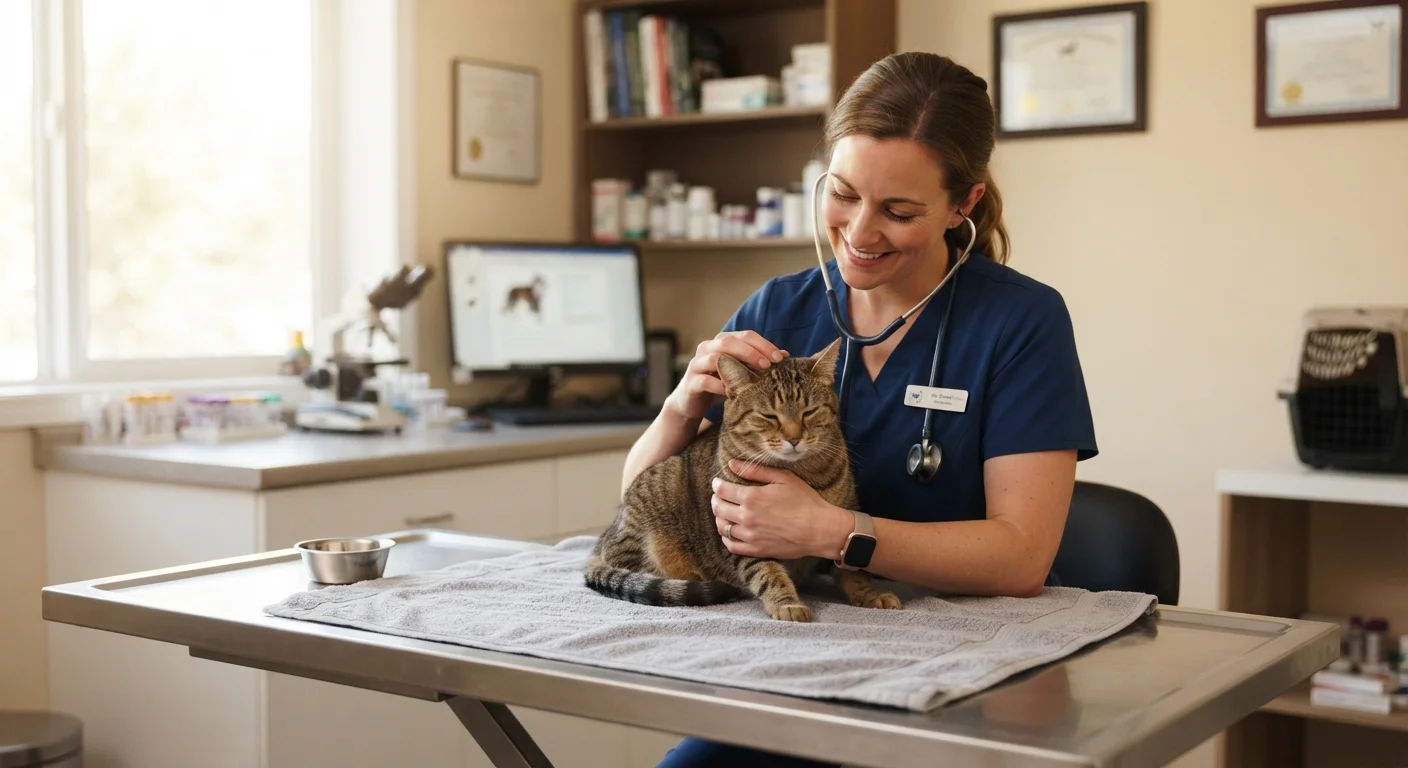
What Actually Happens During the Surgery
Both spaying and neutering are performed under general anesthesia, meaning your pet is fully unconscious and pain-free throughout. A veterinary team monitors heart rate, breathing, and oxygen levels the entire time.
For female cats, spaying involves a small abdominal incision through which the ovaries — and typically the uterus — are carefully removed. The incision is then closed with sutures, some of which dissolve on their own. For male cats, neutering is a simpler procedure: two small incisions are made near the scrotum, the testicles are removed, and the area is closed. The entire surgery usually takes between 20 and 45 minutes depending on the animal's size and the surgical approach used.
Before surgery, your vet will typically recommend withholding food for several hours to reduce anesthesia risks. A pre-surgical health check helps confirm your pet is fit for the procedure.
Prepare Your Home Before Surgery Day
Set up a quiet, contained recovery space before you bring your pet home from the clinic — a small room or a cozy crate works well. Stock it with fresh water, food, a litter box, and soft bedding. Having everything ready in advance reduces stress for both you and your recovering cat.
Why Timing Is More Complex Than You Might Think
The question of when to spay or neuter has evolved considerably in veterinary research. For cats, most veterinarians still recommend the procedure around 5–6 months of age — ideally before the first heat cycle in females, which can occur as early as 4 months.
Early spaying eliminates the risk of pyometra (a serious uterine infection) and significantly reduces the likelihood of mammary tumors when done before the first heat. For male cats, early neutering reduces territorial spraying and roaming behavior, which also lowers injury risk from outdoor encounters.
That said, emerging research — particularly in dogs — suggests that for some larger breeds, waiting until skeletal maturity may better support joint and hormonal development. For cats, this concern is less prominent, but it reinforces why a conversation with your vet is so important. Breed, health status, and whether your cat goes outdoors all factor into the right timeline.
~90%
Reduction in mammary tumor risk when spayed early
Veterinary sources indicate spaying before the first heat cycle can reduce mammary tumor risk by approximately 91% in cats, according to the American College of Veterinary Surgeons.
4 months
Earliest age cats can reach sexual maturity
Some female cats can enter their first heat cycle as early as 4 months of age, which is why early veterinary consultation is important for new kitten owners.
7–14 days
Typical recovery window post-surgery
Most healthy cats return to normal activity within one to two weeks following spay or neuter surgery, provided post-operative care guidelines are followed.
Health Benefits and What to Expect After Surgery
Beyond population control, spaying and neutering offer meaningful health advantages. Spayed females face a greatly reduced risk of uterine infections and ovarian cancer, and a lower risk of mammary cancer if spayed young. Neutered males have no risk of testicular cancer and a reduced likelihood of certain prostate problems.
Post-operatively, most cats need 7–14 days of calm recovery at home. You'll want to prevent jumping and rough play, keep the incision site clean and dry, and use the e-collar (often called a cone) your vet provides to stop your cat from licking the wound. Watch for redness, swelling, or discharge at the incision, and contact your vet if your cat seems unusually lethargic or stops eating within 24 hours of returning home.
Metabolism can dip slightly after the surgery, so slight adjustments to food portions may be needed over time to maintain a healthy weight. Your vet can advise on appropriate post-operative nutrition.
This article is for general informational purposes only and does not constitute veterinary advice. Always consult a licensed veterinarian for guidance specific to your pet's health and circumstances.
Frequently Asked Questions
Many veterinarians recommend spaying or neutering cats around 5–6 months of age, before their first heat cycle. However, recommendations can vary based on the cat's health, breed, and lifestyle. Always consult your vet for personalized timing guidance.
Most cats recover within 7–14 days. Males typically bounce back faster than females due to the less invasive nature of neutering. During recovery, restrict vigorous activity and monitor the incision site for signs of infection.
The procedures can reduce hormonally driven behaviors like roaming, marking, and aggression, but they do not alter your pet's core personality. For a fact-based look at common concerns, see our article on <a href="/pets-animals/dog-care/spaying-and-neutering-separating-the-myths-from-the-medicine">separating spay/neuter myths from medicine</a>.
Spaying and neutering are among the most commonly performed veterinary surgeries and carry a low risk of serious complications in healthy animals. Your vet will assess your pet's health before proceeding and use general anesthesia with monitoring protocols.
Metabolism can slow modestly after the procedure, which may contribute to weight gain if diet and activity levels aren't adjusted. Regular exercise and appropriate portion feeding help keep your cat at a healthy weight.
The content provided on our blog site traverses numerous categories, offering readers valuable and practical information. Readers can use the editorial team’s research and data to gain more insights into their topics of interest. However, they are requested not to treat the articles as conclusive. The website team cannot be held responsible for differences in data or inaccuracies found across other platforms. Please also note that the site might also miss out on various schemes and offers available that the readers may find more beneficial than the ones we cover.