Why Car Costs Creep Up Without You Noticing
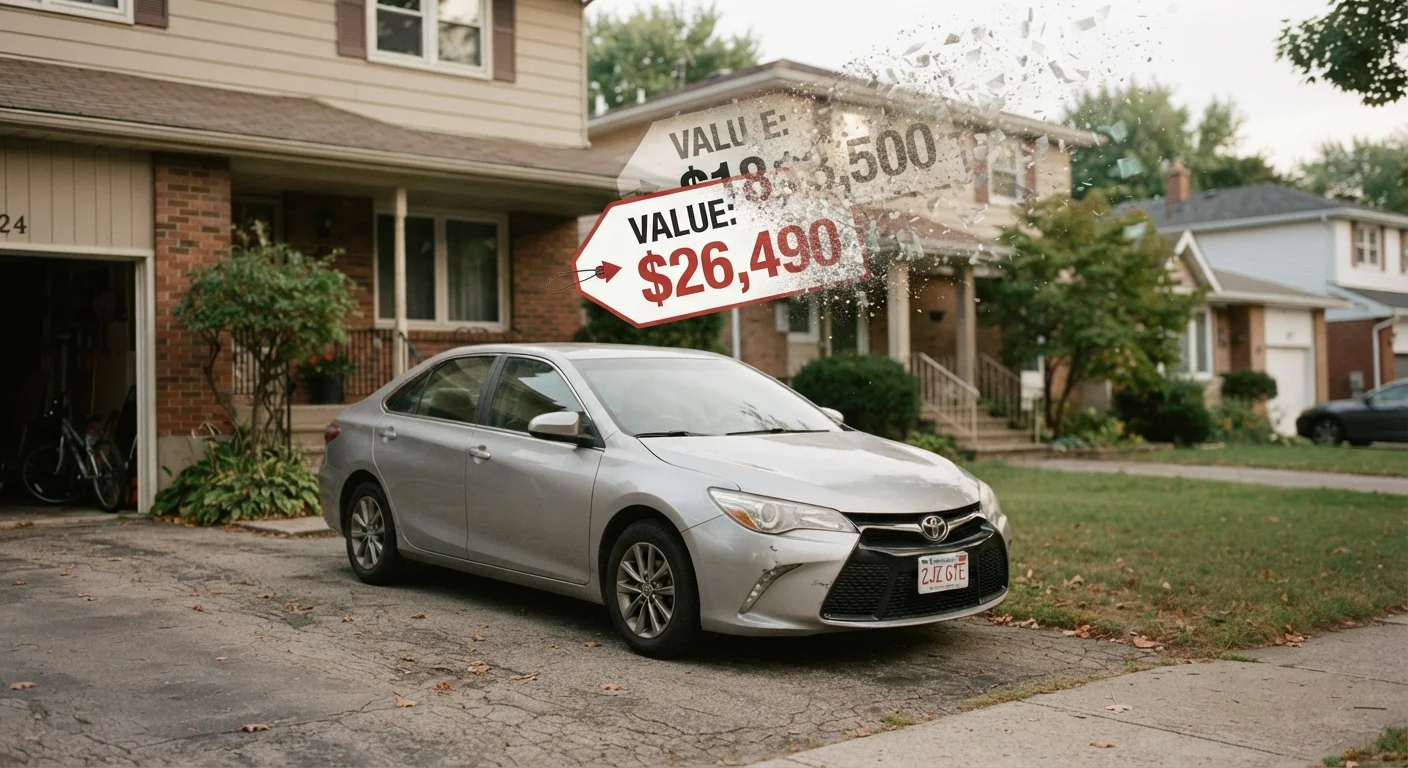
Vehicle ownership expenses extend well beyond the monthly loan payment. Fuel, insurance, tires, oil changes, registration fees, and unexpected repairs quietly accumulate into one of the largest line items in most household budgets. Our guide to the true cost of owning a family car covers each of those categories in detail - but the key point here is that most families have more control over these costs than they realize.
The goal isn't to cut corners. It's to identify where money leaks without improving safety or reliability, and plug those leaks deliberately. The practices below are grounded in manufacturer guidance and general industry knowledge - not shortcuts that put your family at risk.
Proven Practices for Lowering Car Costs Safely
Each of the following approaches addresses a specific cost category. None require sacrificing the maintenance or coverage your vehicle and family genuinely need.
Follow your owner's manual service intervals - not the most aggressive upsell schedule
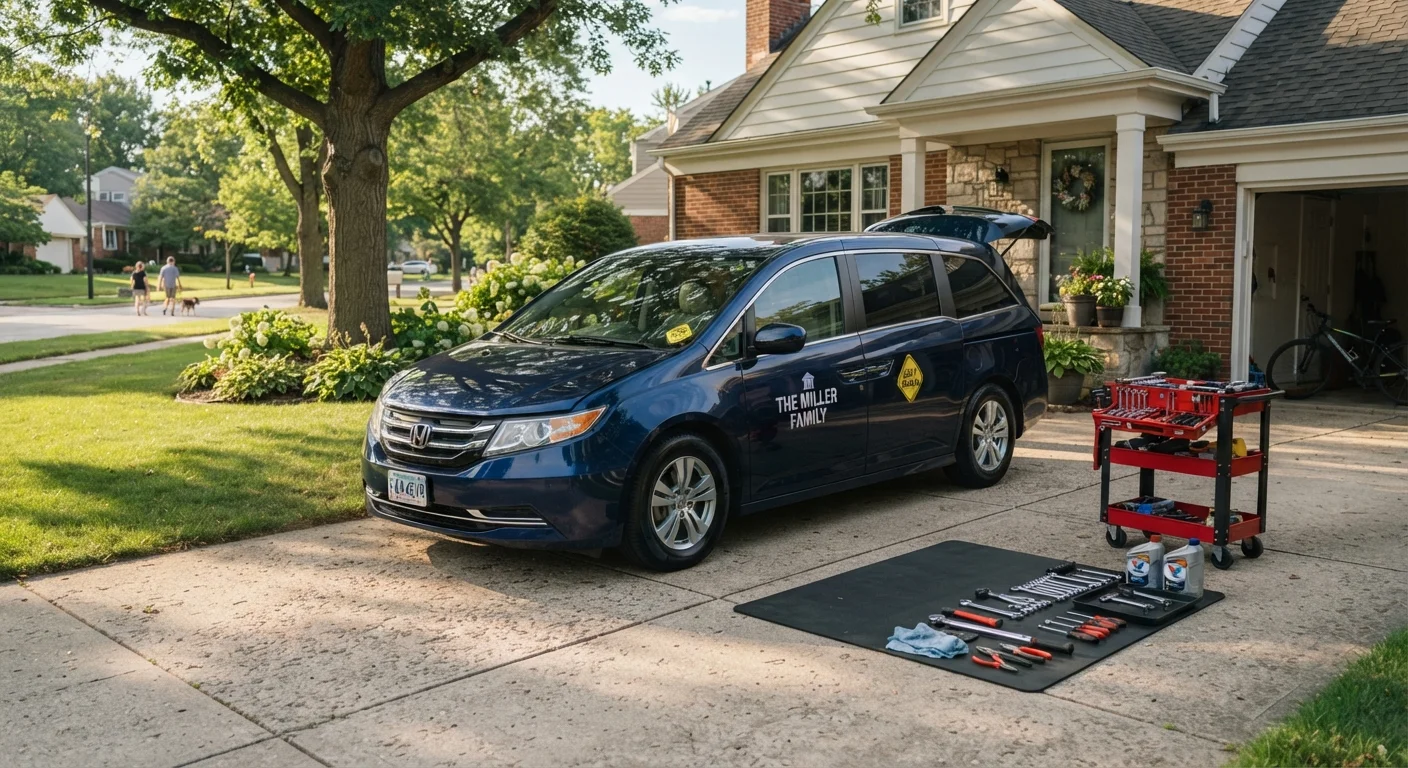
Many service centers recommend intervals shorter than the manufacturer specifies, which generates revenue but may not reflect your vehicle's actual needs. Following the manufacturer's maintenance schedule keeps your warranty intact, prevents real mechanical damage, and avoids paying for service you don't yet need. If you're unsure what your vehicle actually requires, our look at car maintenance myths that cost drivers money separates fact from upsell.
Adopt smoother acceleration and braking habits to reduce fuel and component wear
Aggressive acceleration and hard braking increase fuel consumption and accelerate wear on brake pads, tires, and drivetrain components - all of which cost money to replace. Smoother driving reduces these costs while also being demonstrably safer. This is especially relevant if teen drivers share the family vehicle.
Check tire pressure monthly and keep tires properly inflated
Under-inflated tires increase rolling resistance, which burns more fuel, and they wear unevenly, shortening tire life significantly. A tire pressure gauge costs just a few dollars and takes two minutes to use. Proper inflation also supports vehicle handling and braking - a genuine safety benefit.
Review your auto insurance coverage annually and ask your insurer about available discounts
Insurance premiums change over time, and many discounts - for low annual mileage, safe driving records, bundling policies, or completing a defensive driving course - go unclaimed simply because drivers don't ask. Reviewing coverage annually ensures you're not paying for duplicated benefits while also confirming that your coverage limits still make sense for your situation.
Address small maintenance issues before they escalate into major repairs
A worn serpentine belt, a small coolant leak, or a brake pad nearing its limit are inexpensive to fix early and expensive - or dangerous - to ignore. Mechanics often identify these during routine service if you ask for a general inspection. Catching issues early consistently costs less than emergency repairs.
Quick Actions You Can Take This Week
Some cost-saving steps require no appointment, no mechanic, and no major decision. Start here.
For a broader look at trimming recurring household expenses in the same low-disruption spirit, see our article on trimming recurring bills without changing your lifestyle.
The Line You Should Never Cross
Every cost-reduction strategy has a boundary. Delaying an oil change by a few hundred miles when life gets busy is very different from skipping it for 10,000 miles. Raising your insurance deductible to a manageable level makes financial sense; dropping collision coverage on a vehicle your family depends on daily may not.
Know Which Cuts Are Off-Limits
Cost-saving decisions should be evaluated against safety and long-term reliability - not just the immediate bill. Brakes, tires, lighting, and structural safety components are non-negotiable. If a repair feels too expensive to handle right now, speak with a trusted mechanic about a realistic timeline and whether it's safe to continue driving in the interim. Never assume it's safe to defer without that professional input.
Safety-critical items - brake pads, tires at or near the wear-indicator limit, functioning headlights, working seatbelts - should never be deferred to save money. The repair costs after a preventable failure, let alone the human cost, far exceed what you'd have saved. For driving habit guidance that keeps your family safer while also being easier on your vehicle, explore our safe driving tips resource hub.
This article provides general informational guidance on vehicle ownership costs. It is not a substitute for advice from a qualified mechanic or licensed financial professional. Consult appropriate experts for decisions specific to your vehicle and household situation.
The content provided on our blog site traverses numerous categories, offering readers valuable and practical information. Readers can use the editorial team’s research and data to gain more insights into their topics of interest. However, they are requested not to treat the articles as conclusive. The website team cannot be held responsible for differences in data or inaccuracies found across other platforms. Please also note that the site might also miss out on various schemes and offers available that the readers may find more beneficial than the ones we cover.