Why the Sticker Price Is Only the Starting Line
When families shop for a vehicle, the conversation usually centers on the purchase price or monthly payment. Those numbers matter - but they represent only a fraction of what a car will actually cost over the years you own it.
Industry estimates suggest the average American household spends well over $10,000 per year operating a vehicle when all costs are counted. That gap between perceived cost and real cost catches many families off guard. The goal of this guide is to lay out every major expense category so you can make a fully informed decision - whether you're buying new, buying used, or weighing your next upgrade. For a side-by-side look at how purchase type affects overall spending, see our financial comparison of new vs. used cars.
$12,000+
Estimated average annual cost to own and operate a vehicle
According to AAA's annual Your Driving Costs study, average ownership and operating costs for a new vehicle frequently exceed $10,000-$12,000 per year when all categories are included.
~20%
Typical first-year depreciation for a new vehicle
Many new vehicles lose approximately 15-25% of their value within the first 12 months of ownership, according to widely cited automotive valuation research.
50%+
Value lost in the first five years of ownership
Automotive valuation resources such as Edmunds and Kelley Blue Book estimate many vehicles lose more than half their value within five years, though rates vary by model.
Depreciation: The Biggest Cost Most Families Ignore
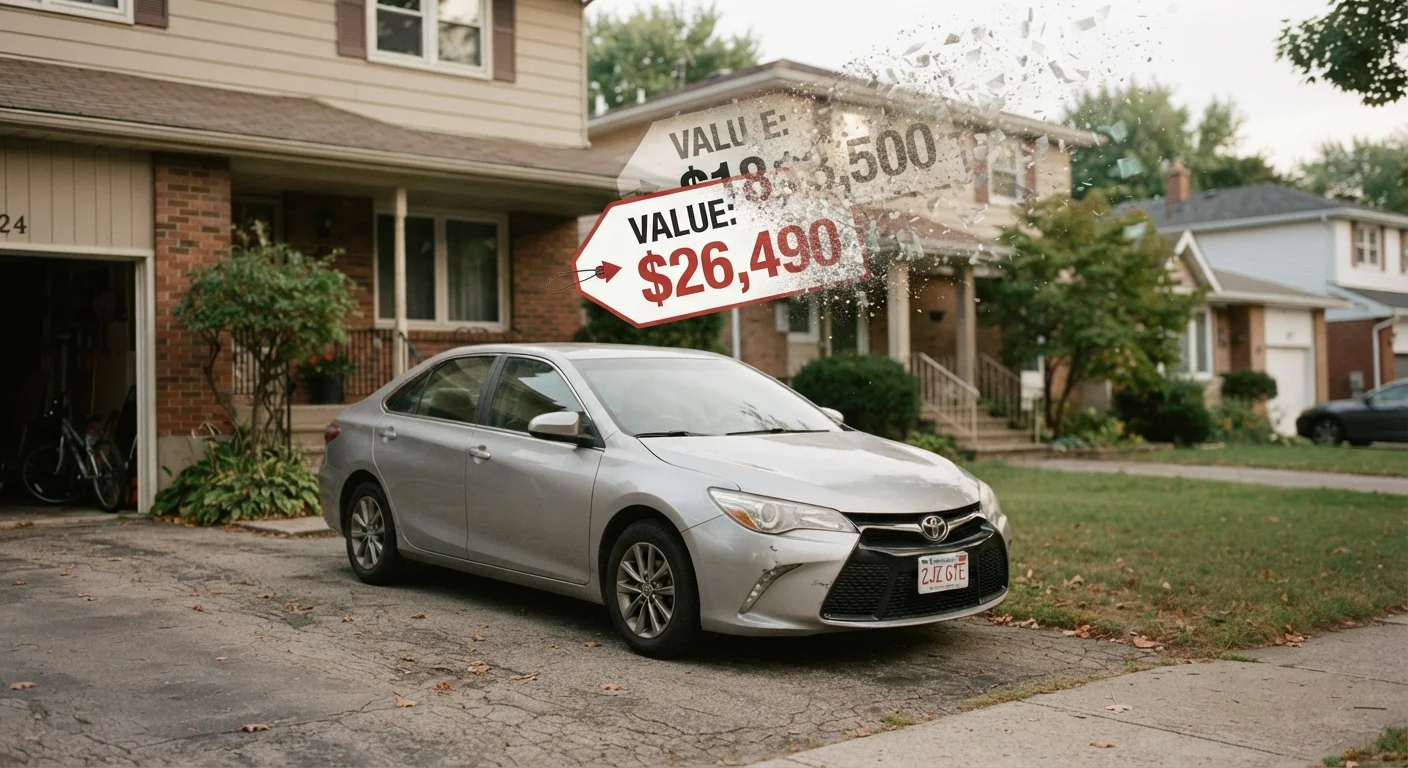
Depreciation - the loss in a vehicle's market value over time - is typically the single largest ownership cost, yet it's invisible on any monthly statement. A new vehicle can lose roughly 15-25% of its value in the first year alone, and around 50% or more over five years, depending on the make, model, and market conditions.
Why does this matter practically? Because depreciation determines how much equity you'll have when you trade in or sell. A vehicle that loses value quickly can leave you "underwater" on a loan - meaning you owe more than the car is worth. This is sometimes called negative equity.
Before purchasing, look up the five-year depreciation estimate for any specific model you're considering - not just the vehicle class average. A few minutes of research can reveal which options hold value significantly better than their competitors.
Depreciation is the single largest cost for most owners, yet it's rarely discussed at the dealership. Selecting a model with a stronger resale history can offset thousands of dollars in lost value.
Request an insurance quote for the exact trim level and vehicle identification number before finalizing your purchase. Two vehicles with the same sticker price can carry meaningfully different insurance costs based on repair costs, theft rates, and safety ratings.
Insurance premiums are set per vehicle, not per price bracket. Families frequently discover a preferred model costs noticeably more to insure than a comparable alternative.
Different vehicle categories depreciate at different rates. Trucks and SUVs with strong resale demand have historically held value better than some sedans, though market conditions shift. Our annual ownership cost reference guide breaks down average depreciation by vehicle category to help you compare apples to apples.
Financing, Insurance, and Registration
Financing costs - the interest paid on an auto loan - can add thousands of dollars to the total price of a vehicle. A longer loan term lowers monthly payments but increases total interest paid. For a detailed walkthrough of how loan length and interest rate interact, see our guide on understanding auto loan costs. Families who are weighing leasing as an alternative should also review the long-term financial trade-offs of leasing vs. buying.
Auto insurance is a fixed recurring cost that varies considerably based on your location, driving record, coverage level, and the vehicle itself. Comprehensive and collision coverage - typically required when financing - costs more than liability-only policies. Families should request quotes for any vehicle they're seriously considering before purchase, since insurance costs can vary by hundreds of dollars annually between comparable models.
Registration and taxes are often forgotten until the bill arrives. State registration fees, annual renewal costs, and sales tax at purchase can represent a meaningful upfront and recurring expense. Some states also assess personal property tax on vehicles each year. For a fuller picture of these easy-to-overlook line items, our article on hidden car ownership expenses is a useful companion read.
Long Loan Terms Can Cost More Than You Expect
Stretching an auto loan to 72 or 84 months reduces monthly payments but significantly increases the total interest paid. It also raises the risk of negative equity - owing more than the car is worth - especially if the vehicle depreciates faster than the loan balance decreases. Consider the total cost of borrowing, not just the monthly figure, when evaluating loan offers.
Fuel and Routine Maintenance
Fuel is one of the most visible ongoing costs and one of the most variable. A family driving 15,000 miles per year in a vehicle averaging 25 mpg will use roughly 600 gallons of gas annually. At regional price fluctuations, that alone can swing by several hundred dollars from one year to the next. Vehicles with higher fuel economy ratings meaningfully reduce this line item over time.
Routine maintenance - oil changes, tire rotations, brake inspections, fluid checks, and filter replacements - is essential to keeping a vehicle safe and reliable. Skipping scheduled maintenance to save money short-term tends to increase repair costs over the long run. Most manufacturers publish a maintenance schedule in the owner's manual; following it is one of the most cost-effective habits a family can build. For straightforward guidance on keeping up with upkeep, explore our car maintenance hub.
Follow the Manufacturer Maintenance Schedule
The maintenance schedule in your owner's manual is based on engineering data for that specific vehicle - not a dealership upsell. Sticking to it is one of the most reliable ways to avoid expensive repairs down the road. If you've lost your manual, most manufacturers make schedules available on their official websites.
Unexpected Repairs and the Value of Preparation
Even well-maintained vehicles need unscheduled repairs. Tires wear out. Brakes need replacing. Batteries fail. Transmissions and timing belts eventually reach end-of-life. These costs are genuinely hard to predict year-to-year, but they are statistically certain to occur over a multi-year ownership period.
Industry data from sources like AAA consistently show that families with older, higher-mileage vehicles tend to face higher repair bills - though newer vehicles are not immune, particularly as they age out of warranty coverage. Building a dedicated vehicle repair reserve - even a modest monthly contribution to a savings account - is one of the most practical steps a family can take. The common cost myths that catch families off guard covers why many people underestimate repair frequency, regardless of vehicle age.
Don't Skip an Emergency Repair Fund
Unexpected repairs are not a matter of if but when. A vehicle breakdown without savings to cover it often forces families into high-interest financing for the repair cost itself, compounding the financial impact. Even setting aside a small fixed amount each month into a dedicated account builds a meaningful buffer over time. Financial professionals generally recommend maintaining a separate fund for vehicle emergencies rather than relying on credit cards.
Building a Complete Ownership Budget
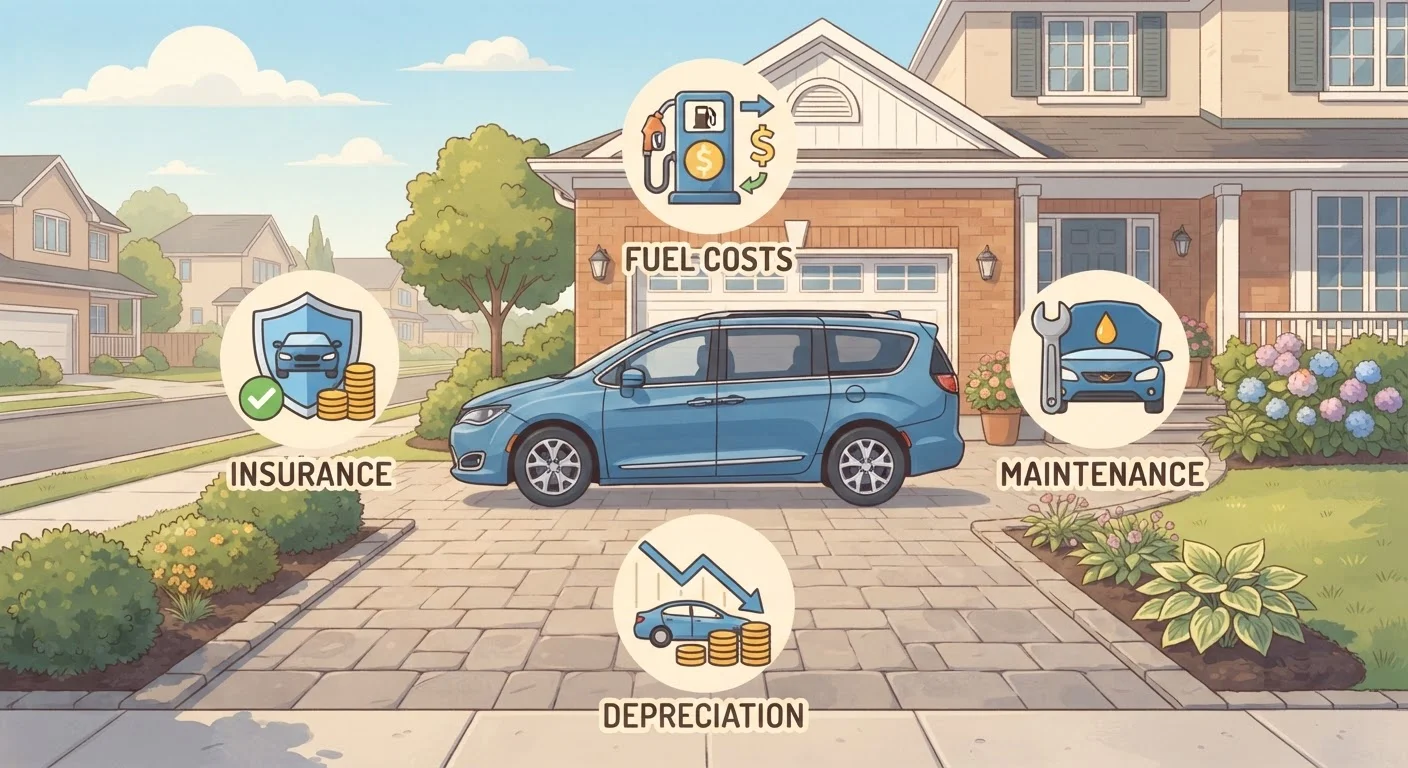
Putting all six cost categories together - depreciation, financing, insurance, registration, fuel, and maintenance/repairs - gives you the real annual cost of ownership. For most families, that total is substantially higher than the monthly loan payment alone suggests.
A practical ownership budget should estimate each category realistically for the specific vehicle you're considering, your local driving conditions, and your household mileage. Our guide to building a realistic annual car budget walks through this process step by step.
Finally, it's worth noting that total cost of ownership should factor into the vehicle selection itself - not just the affordability of monthly payments. A vehicle that fits the payment budget but carries high insurance rates, poor fuel economy, or a steep depreciation curve may cost significantly more over five years than a slightly pricier option with lower running costs. Framing the decision this way - with full cost transparency - is one of the most valuable shifts a family can make when shopping for their next car.
For year-by-year benchmarks and category averages across vehicle types, refer to our U.S. vehicle ownership cost tracker.
AAA Your Driving Costs Study
AAA publishes an annual breakdown of average vehicle ownership costs by category. It's one of the most widely cited industry benchmarks for understanding total cost of ownership.
Annual Vehicle Ownership Cost Tracker
Our structured reference covering average costs for insurance, fuel, maintenance, registration, and depreciation by vehicle category - useful for comparing options before you buy.
Household Car Budget Planner
A practical walkthrough for estimating what your family will spend on your vehicle over a full calendar year, organized by all major cost categories.
This article is for general informational purposes only and does not constitute financial advice. Ownership cost estimates vary widely based on individual circumstances. Consult a qualified financial professional for guidance tailored to your situation.
The content provided on our blog site traverses numerous categories, offering readers valuable and practical information. Readers can use the editorial team’s research and data to gain more insights into their topics of interest. However, they are requested not to treat the articles as conclusive. The website team cannot be held responsible for differences in data or inaccuracies found across other platforms. Please also note that the site might also miss out on various schemes and offers available that the readers may find more beneficial than the ones we cover.