Our Verdict
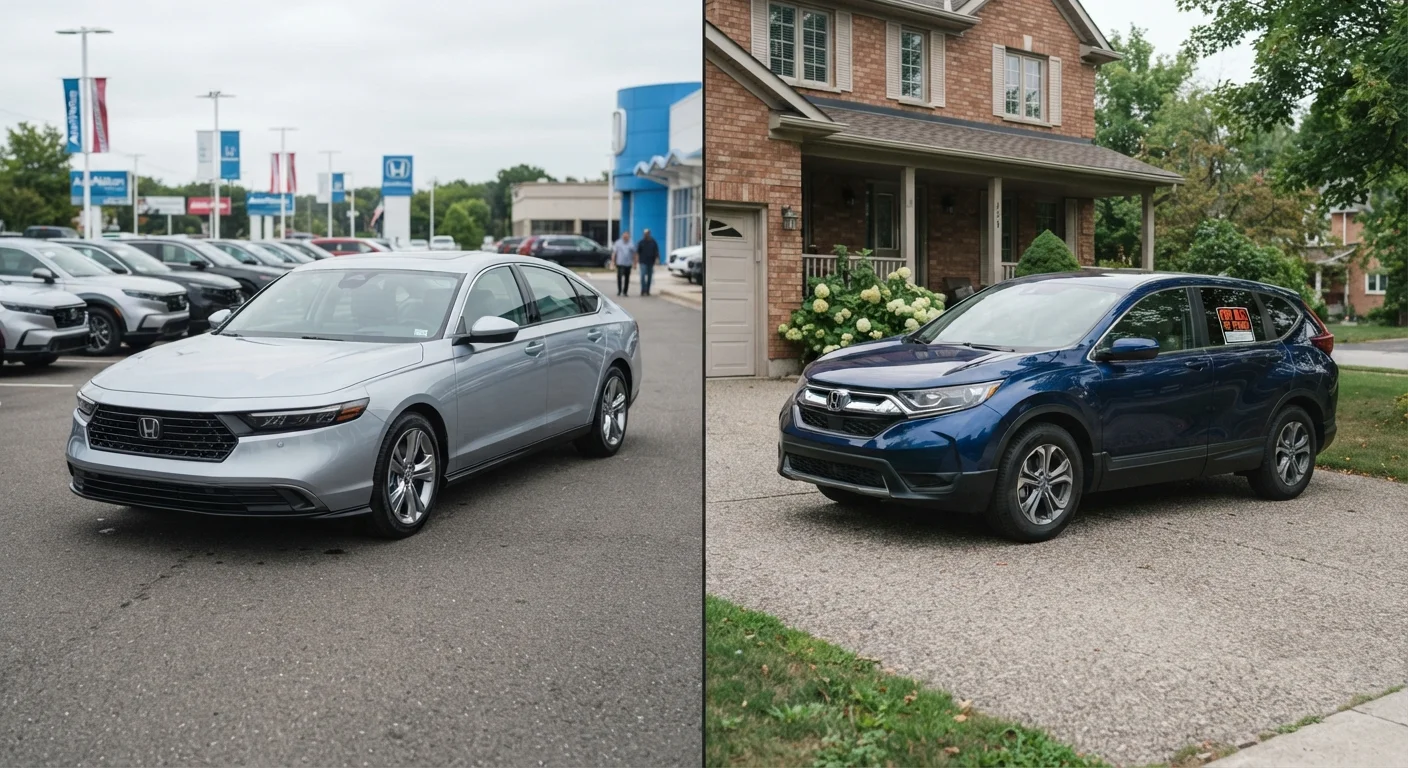
Neither new nor used is universally the smarter choice - each fits a different family financial profile. A used vehicle purchased in the three-to-five year age range often delivers the best value-to-reliability ratio by letting a previous owner absorb the steepest depreciation. A new vehicle makes practical sense when manufacturer incentives are strong, when the family needs a full warranty safety net, or when a specific feature set isn't available in the used market.
| Best for | Recommended |
|---|---|
| Families prioritizing lower total ownership cost and can handle some repair uncertainty | Used Car (3-5 years old) |
| Families who need predictable costs and full warranty coverage | New Car |
| Buyers with limited cash reserves who want to avoid large surprise repair bills | New Car or Certified Pre-Owned |
| Families who drive high annual mileage and plan to keep the vehicle long-term | New Car (spreads depreciation cost over more miles) |
Purchase Price and Depreciation: Where the Numbers Diverge
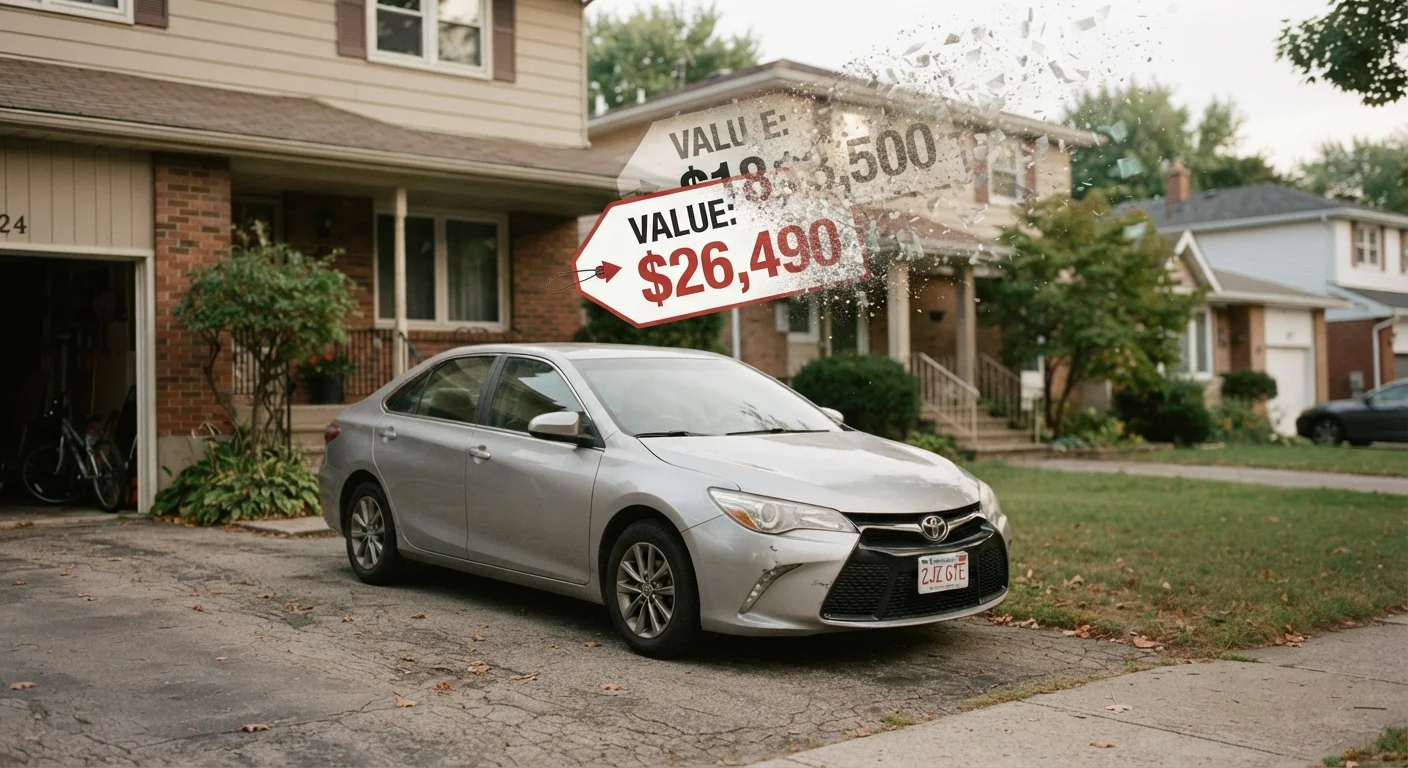
The sticker price gap between new and used vehicles is obvious - but depreciation is where the comparison gets interesting. New vehicles typically lose a significant portion of their value in the first year, and the steepest drop often occurs within the first three years of ownership. When a family buys a used vehicle that's already past that drop, they avoid absorbing that loss themselves.
For example, a three-year-old family SUV may be priced substantially below its original MSRP (Manufacturer's Suggested Retail Price) while still having plenty of useful life remaining. The family buying it essentially lets the original owner pay for those early depreciation years.
That said, depreciation works in reverse when you sell or trade in. A new car buyer who keeps the vehicle for ten or more years spreads that depreciation across a longer ownership window, which can reduce the per-year financial hit. For a deeper look at how these costs compound, see our full breakdown of family car ownership costs.
| New Car | Used Car (3-5 Years Old) | |
|---|---|---|
| Purchase price | Higher upfront cost | Lower upfront cost |
| Depreciation exposure | Absorbs steepest early drop | Steepest drop already absorbed |
| Loan interest rate | Generally lower rates | Generally higher rates |
| Warranty coverage | Full factory warranty included | Limited or no warranty remaining |
| Repair predictability | High - covered under warranty | Lower - owner bears repair risk |
| Insurance cost | Typically higher premiums | Typically lower premiums |
| Registration fees | Higher in value-based states | Lower as value decreases |
| Feature availability | Latest safety tech standard | May lack newest features |
Financing Costs: Interest Rates and Loan Terms
Many families focus on the monthly payment rather than the total financed cost - and this is where used-car buyers can be caught off guard. Lenders generally charge higher interest rates on used vehicles than on new ones. A difference of even two or three percentage points, multiplied across a four- or five-year loan, adds meaningful dollars to the total cost.
Used car loans also tend to be shorter in term (the length of time you borrow), which pushes monthly payments higher even on a lower principal. Before assuming a used car is cheaper month-to-month, families should run the full loan math - principal, rate, and term combined.
Calculate the Total Loan Cost, Not Just Monthly Payments
Multiply your monthly payment by the number of months in the loan term to find what you'll actually pay in principal and interest combined. Then compare that figure across new and used options at the rates you're actually quoted. A lower sticker price with a higher rate and shorter term can cost more in total than a new car loan with manufacturer-subsidized financing.
If you want to understand how loan length and interest interact before you sign anything, our guide to car financing costs walks through the mechanics in plain terms.
Warranty Coverage and Repair Risk
New vehicles come with factory warranties - typically a bumper-to-bumper coverage period and a longer powertrain warranty (covering the engine, transmission, and drivetrain). This coverage functions as a financial buffer against unexpected repair costs during the early ownership years.
Used vehicles usually carry little or no remaining factory warranty, shifting repair risk entirely to the owner. Certified Pre-Owned (CPO) programs offered by manufacturers can partially bridge this gap by providing inspected vehicles with extended coverage - but CPO vehicles are priced higher than comparable non-certified used cars to reflect that benefit.
Dealers often pitch third-party extended warranties at the point of sale. Families should review the coverage terms carefully before purchasing one. Our editorial analysis of how extended warranty products are structured explains what to look for in the fine print.
Don't Assume a Used Car Inspection Guarantees No Problems
Even a pre-purchase inspection by a trusted mechanic - which is always worth doing - cannot guarantee a used vehicle will be trouble-free. Some issues only emerge with use or over time. Factor a modest repair reserve into your budget when buying used, rather than assuming the inspection clears all future risk.
Insurance, Registration, and Other Ongoing Costs
Insurance premiums on new vehicles tend to run higher, partly because the replacement cost is greater and lenders typically require comprehensive and collision coverage while a loan is outstanding. Registration fees in many states are also tied to vehicle value, which means a newer or higher-value vehicle costs more to register each year.
Maintenance costs can cut either way. New vehicles generally need only routine service in the early years, while older used vehicles may have more wear-related repairs. However, the assumption that newer always means cheaper to maintain isn't always accurate - our look at common car cost myths examines where that belief breaks down.
~20%
Typical first-year new vehicle depreciation
Industry estimates from sources such as Edmunds and Kelley Blue Book consistently place average new car depreciation in the range of 15-25% in the first year of ownership.
1-3%
Typical interest rate premium on used car loans
Federal Reserve consumer credit data and automotive finance surveys have historically shown used vehicle loan rates running higher than new vehicle rates from the same lenders.
Families weighing whether to add a vehicle at all - new or used - should also work through our second-car cost readiness checklist before committing.
The content provided on our blog site traverses numerous categories, offering readers valuable and practical information. Readers can use the editorial team’s research and data to gain more insights into their topics of interest. However, they are requested not to treat the articles as conclusive. The website team cannot be held responsible for differences in data or inaccuracies found across other platforms. Please also note that the site might also miss out on various schemes and offers available that the readers may find more beneficial than the ones we cover.