Why Cost Myths Persist - and Why They're Costly
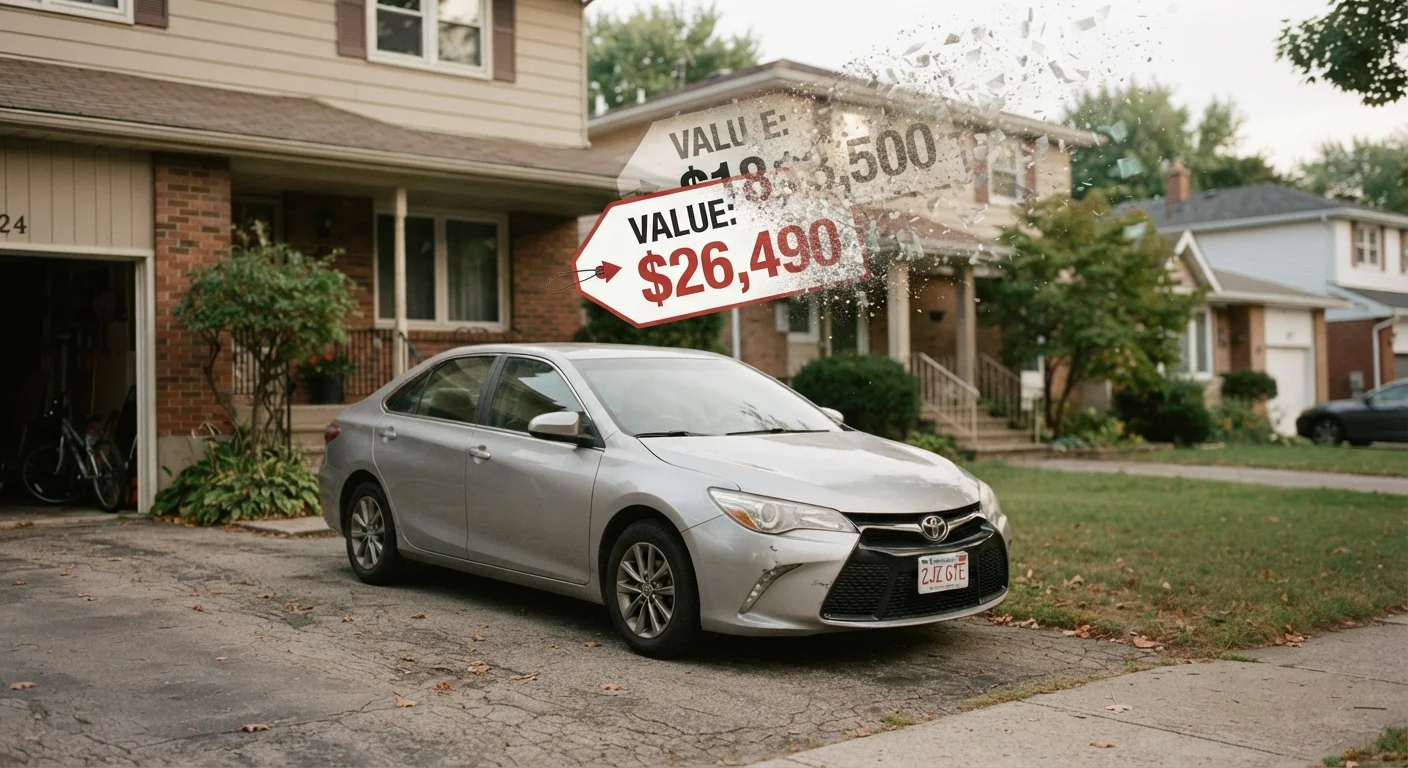
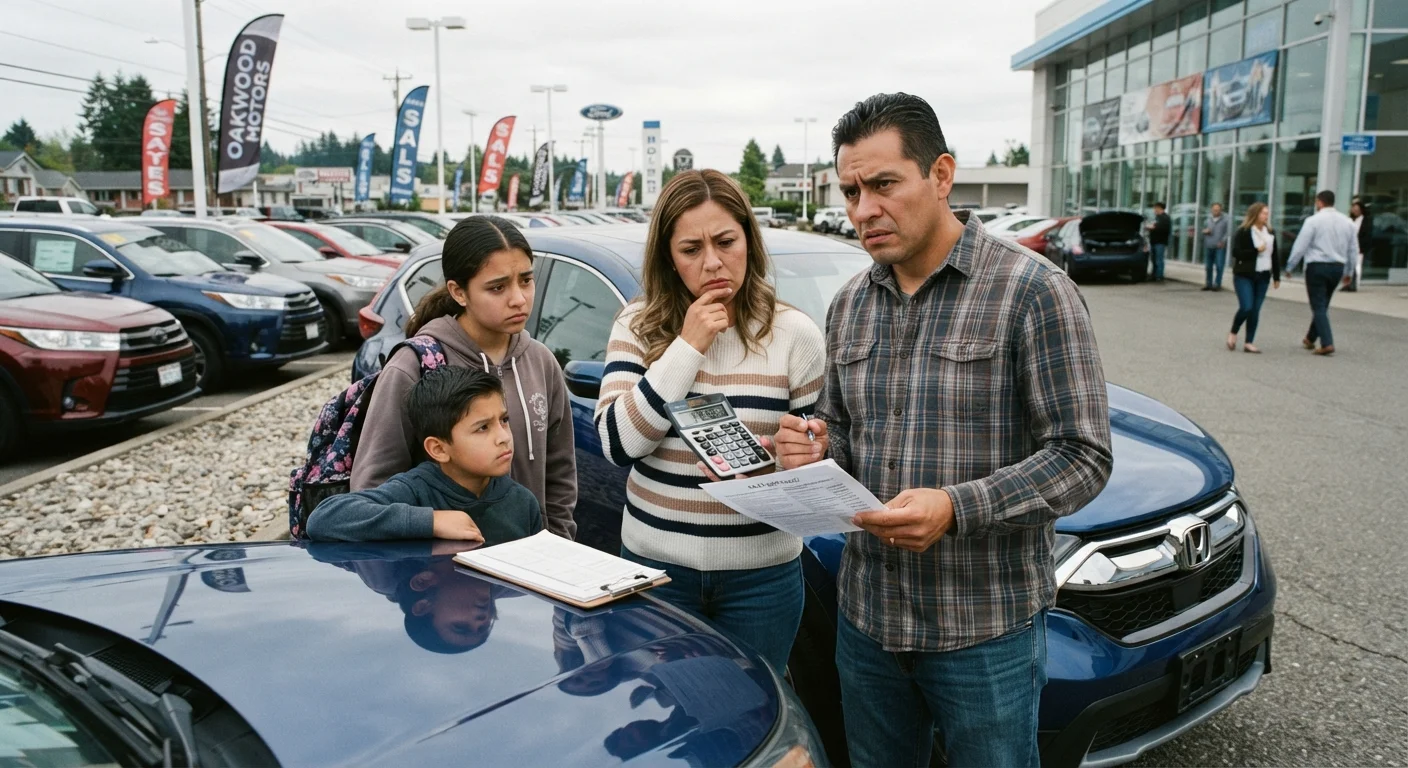
Most families research the purchase price carefully before buying a vehicle. Far fewer spend the same energy understanding what the car will actually cost after they drive off the lot. That gap is where financial surprises live.
Car ownership myths tend to spread because they feel intuitive. Newer should mean more reliable. A smaller car should mean lower costs. Paying cash should be the safest path. These ideas aren't always wrong - but they're rarely the complete picture. Understanding where they break down can help your family budget more accurately and avoid being caught off guard.
For a broader look at every expense that accumulates after purchase, see The True Cost of Owning a Family Car.
Myth
Newer cars are always cheaper to maintain because everything is under warranty and nothing breaks.
Fact
Newer vehicles can carry higher maintenance costs due to advanced technology, specialized parts, and dealer-only service requirements - even when the powertrain warranty covers major components.
Warranties cover defects, not wear items like tires, brake pads, filters, or wiper blades. Beyond that, modern vehicles increasingly rely on sensors, cameras, and driver-assistance systems that are expensive to diagnose and repair when they malfunction. A simple windshield replacement on a vehicle with a forward-facing camera, for example, often requires recalibration that can cost several hundred dollars on top of the glass itself. Newer doesn't automatically mean cheaper - it often means more complex.
Myth
The monthly payment is what a car really costs - if you can afford the payment, you can afford the car.
Fact
The monthly loan payment covers only the financing cost. Insurance, fuel, maintenance, registration, and depreciation are separate and can easily exceed the payment itself.
Industry data consistently shows that total annual ownership costs - including fuel, insurance, maintenance, and depreciation - can amount to thousands of dollars per year beyond financing. Families who budget only for the payment often find themselves stretched when the first insurance renewal, tire replacement, or registration bill arrives. A more useful question is: what is this vehicle's estimated total annual cost, and does that fit our household budget? The Annual Vehicle Ownership Cost Tracker offers a structured way to estimate these figures by vehicle category.
Myth
Buying a used car is always cheaper than buying new when you factor everything in.
Fact
Used vehicles typically cost less upfront and depreciate more slowly, but they may carry higher repair risk, shorter or no warranty, and - in some cases - higher insurance costs for older vehicles with more claims history.
The right choice depends heavily on the specific vehicle, its condition, mileage, and how long the family plans to keep it. A well-maintained used vehicle with documented service history can absolutely be the more economical option. But a used car purchased without a pre-purchase inspection from a qualified mechanic can turn a low sticker price into an expensive lesson. For a side-by-side breakdown, the new vs. used financial comparison is worth reading before you decide.
Myth
Electric vehicles save so much on fuel that they always pay for themselves quickly.
Fact
EVs typically do have lower per-mile fuel and routine maintenance costs, but higher purchase prices, potential battery replacement costs, and charging infrastructure expenses affect the total picture.
Whether an EV saves a specific family money depends on how many miles they drive annually, their local electricity rates, available tax incentives at the time of purchase, and how long they plan to own the vehicle. Shorter ownership periods and lower annual mileage make the break-even point harder to reach. Comparing EV and gas vehicle costs over time provides a more complete breakdown of these variables.
Myth
A smaller car always costs less to insure than a larger one.
Fact
Insurance premiums are based on a combination of factors - repair costs, safety ratings, theft rates, your driving history, and your ZIP code - not vehicle size alone.
A compact car with expensive parts, a high theft rate, or poor crash-test performance may cost more to insure than a midsize sedan with excellent safety ratings and cheap replacement parts. Your personal driving record and where you live often have a larger impact on your premium than the car's size. For a fuller picture of what shapes insurance costs, what drives your insurance premium explains the key variables in plain terms.
The Costs Families Most Commonly Underestimate
Even after correcting for the myths above, a few specific expenses consistently catch families off guard because they're easy to forget until the bill arrives.
~$12,000+
Estimated average annual cost to own and operate a new vehicle in the U.S.
According to AAA's annual Your Driving Costs study, total ownership costs - including depreciation, insurance, fuel, and maintenance - consistently exceed many families' estimates.
~47%
Typical value lost in the first three years of new vehicle ownership
Depreciation rates vary by vehicle type and market conditions, but new vehicles commonly lose a substantial portion of their value in the early ownership years.
Depreciation - the reduction in your vehicle's market value over time - is typically the single largest ownership cost, yet it's invisible month to month. A new vehicle can lose a significant portion of its value in the first few years of ownership. For a detailed explanation of how this works, see how depreciation affects your vehicle's value.
Registration fees, tolls, and parking are small individually but meaningful in aggregate across a year. Hidden ownership expenses like these rarely appear in cost-of-ownership calculators.
Skipped maintenance compounds costs over time. Delaying an oil change or ignoring a tire rotation doesn't save money - it often creates larger repair bills later. See what skipped maintenance ends up costing for specifics.
Don't Skip the Pre-Purchase Inspection
Whether you're buying new or used, understanding a vehicle's likely ownership costs before you sign is critical. For used vehicles, a pre-purchase inspection by an independent, qualified mechanic can reveal hidden issues that dramatically change the true cost. This is a step many families skip to save time or money - and it's one that frequently leads to regret.
If you want to understand how loan length and interest rate shape what you actually pay, financing cost basics is a useful starting point. And for families weighing whether to keep a high-mileage vehicle or trade it in, the financial case for each option lays out both sides clearly.
The content provided on our blog site traverses numerous categories, offering readers valuable and practical information. Readers can use the editorial team’s research and data to gain more insights into their topics of interest. However, they are requested not to treat the articles as conclusive. The website team cannot be held responsible for differences in data or inaccuracies found across other platforms. Please also note that the site might also miss out on various schemes and offers available that the readers may find more beneficial than the ones we cover.