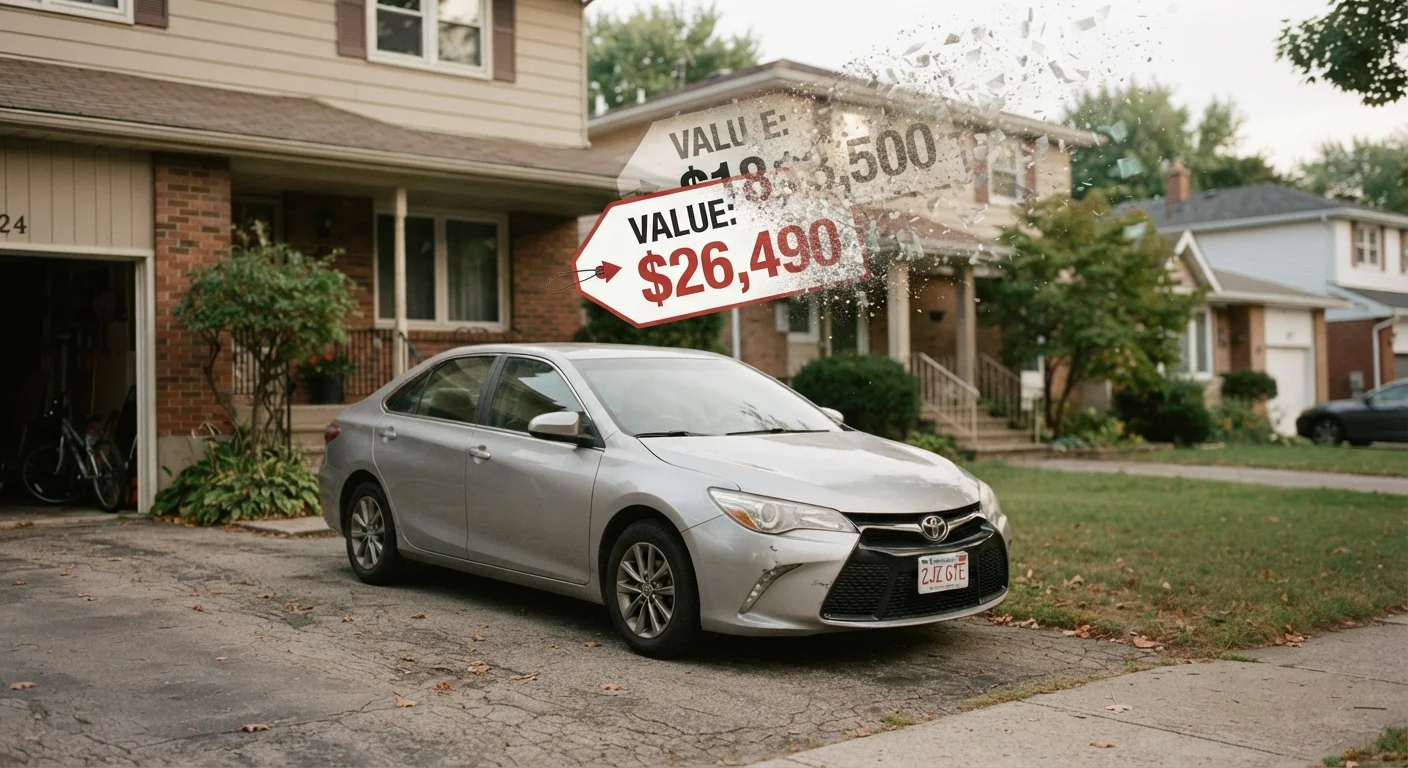
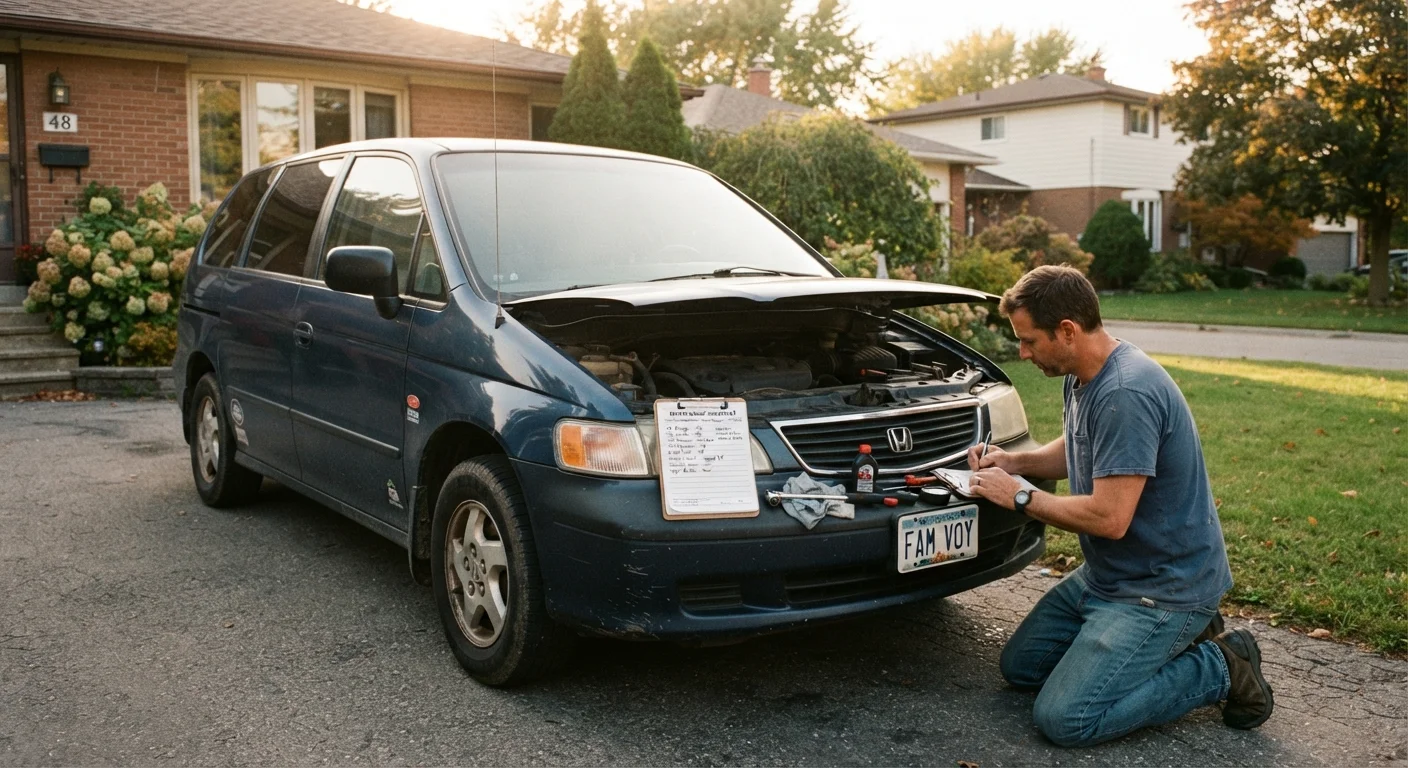
Why Families Skip Maintenance (And Why It's Understandable)
Keeping up with vehicle maintenance feels straightforward until real life intervenes - soccer practice runs long, budgets get stretched, and an oil change reminder sticker gets ignored for another month. Families aren't negligent; they're busy. But car components don't pause while life gets complicated.
The financial logic of skipping maintenance also feels deceptively sound in the moment. Why spend $80 on a tire rotation today when nothing seems wrong? The problem is that most maintenance items don't send obvious warning signals until the damage is already done. That makes them easy to defer and costly to neglect.
For a fuller picture of how these gaps fit into broader vehicle expenses, see our look at hidden car ownership expenses that families often miss. Understanding the full cost picture makes it easier to prioritize the right things.
Delaying oil changes beyond the manufacturer's recommended interval.
Why it happens: Oil change reminders are easy to dismiss when the car seems to be running fine. Many families assume the old 3,000-mile rule still applies universally, or they push past even modern extended intervals because the cost feels optional.
Skipping tire rotations, allowing uneven tread wear to go uncorrected.
Why it happens: Tire rotation is easy to skip when it's not bundled with another service visit, and uneven wear develops gradually enough that drivers rarely notice it until one tire is significantly more worn than the others.
Ignoring brake fluid, coolant, and transmission fluid flush schedules.
Why it happens: These fluids are invisible and out of sight, so families don't think about them the way they do oil. Shops don't always bring them up proactively, and the intervals are long enough that they're easy to forget between ownership cycles.
Letting cabin and engine air filters go unchanged for years.
Why it happens: Air filters are out of sight, and their effects - reduced airflow, lower fuel efficiency, increased strain on the HVAC and engine systems - develop slowly enough to feel like the new normal rather than a problem.
Putting off wiper blade and lighting checks until visibility fails.
Why it happens: Wiper blades and exterior bulbs degrade gradually, and families often adapt to slightly reduced performance without recognizing it as a safety issue - until caught in a rainstorm or pulled over for a burned-out light.
The Real Cost of Deferring These Tasks
Each skipped task compounds the next. A car running on degraded oil puts more stress on its engine. An engine working harder burns more fuel. A fuel system already under strain is less forgiving of a clogged filter. These aren't independent problems - they build on each other.
$1,200+
Average engine repair from oil neglect
Industry repair data consistently shows that engine damage from lubrication failure - often traced to long-deferred oil changes - runs into the thousands of dollars for even modest repairs.
25%
Tire life lost to skipped rotations
Tire industry guidance suggests that irregular or skipped rotations can reduce overall tire lifespan by roughly 25%, moving up an otherwise avoidable full replacement.
$50-$100
Typical cost of most skipped services
The majority of routine maintenance tasks families defer - oil changes, tire rotations, filter replacements - cost under $100 at most independent shops.
Families who track their service history consistently tend to catch problems earlier and pay less over time. A car maintenance log is one of the simplest tools available - it costs nothing and takes minutes to keep current. It also provides documentation that protects resale value, which matters if you're ever weighing keeping a high-mileage car versus trading it in.
Deferred Maintenance Can Void Warranty Coverage
If your vehicle is still under a manufacturer's warranty or an extended service contract, skipping documented maintenance can give the manufacturer grounds to deny a warranty claim. Always keep service records - ideally in a written log - and follow the intervals specified in your owner's manual. When in doubt, consult your warranty terms before deferring any scheduled service.
If you're unsure which tasks your vehicle actually needs and when, realistic part lifespan estimates can help you anticipate replacements rather than react to failures. And for building a realistic schedule around a packed family calendar, a workable car care routine is a practical next step.
The content provided on our blog site traverses numerous categories, offering readers valuable and practical information. Readers can use the editorial team’s research and data to gain more insights into their topics of interest. However, they are requested not to treat the articles as conclusive. The website team cannot be held responsible for differences in data or inaccuracies found across other platforms. Please also note that the site might also miss out on various schemes and offers available that the readers may find more beneficial than the ones we cover.