Summary
22 items · 30-60 minutes
Why a Second Car Deserves Its Own Financial Audit
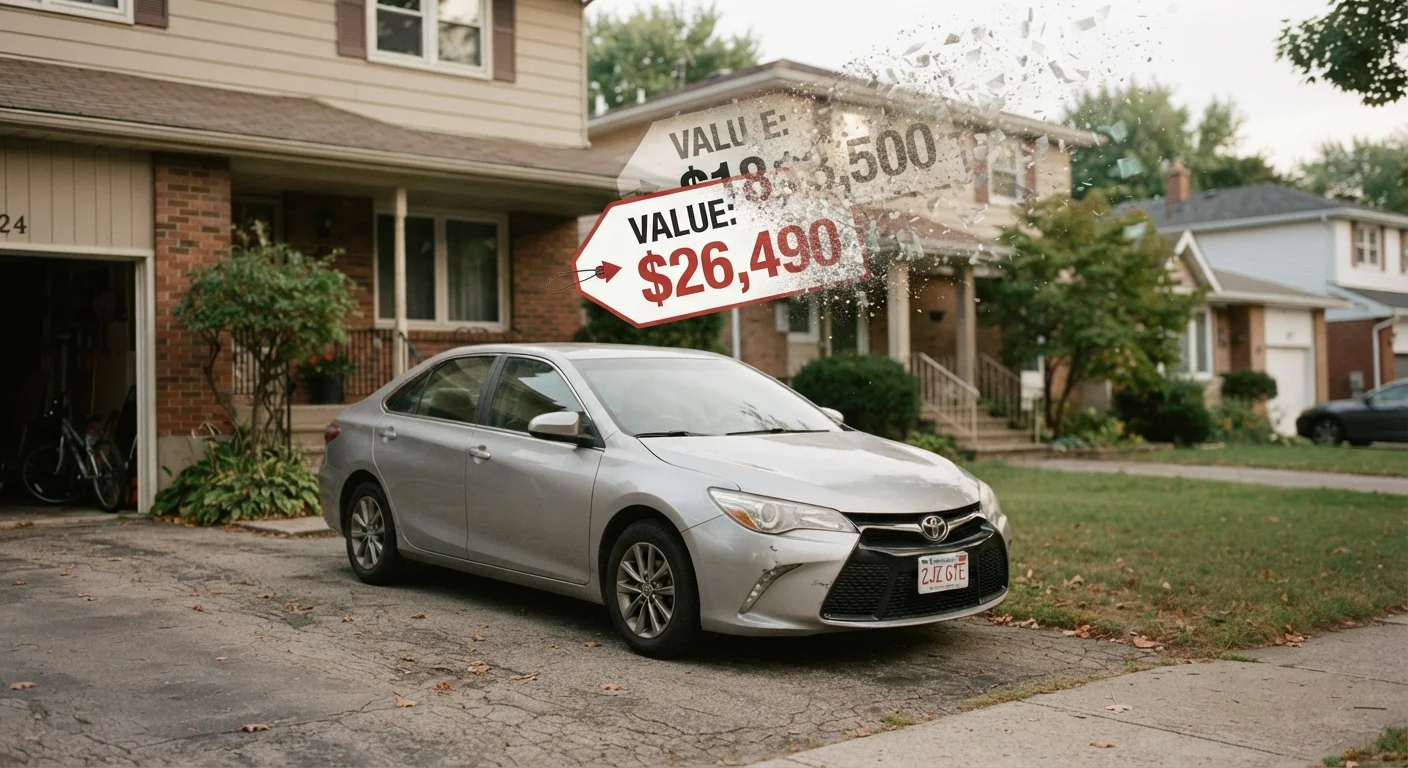
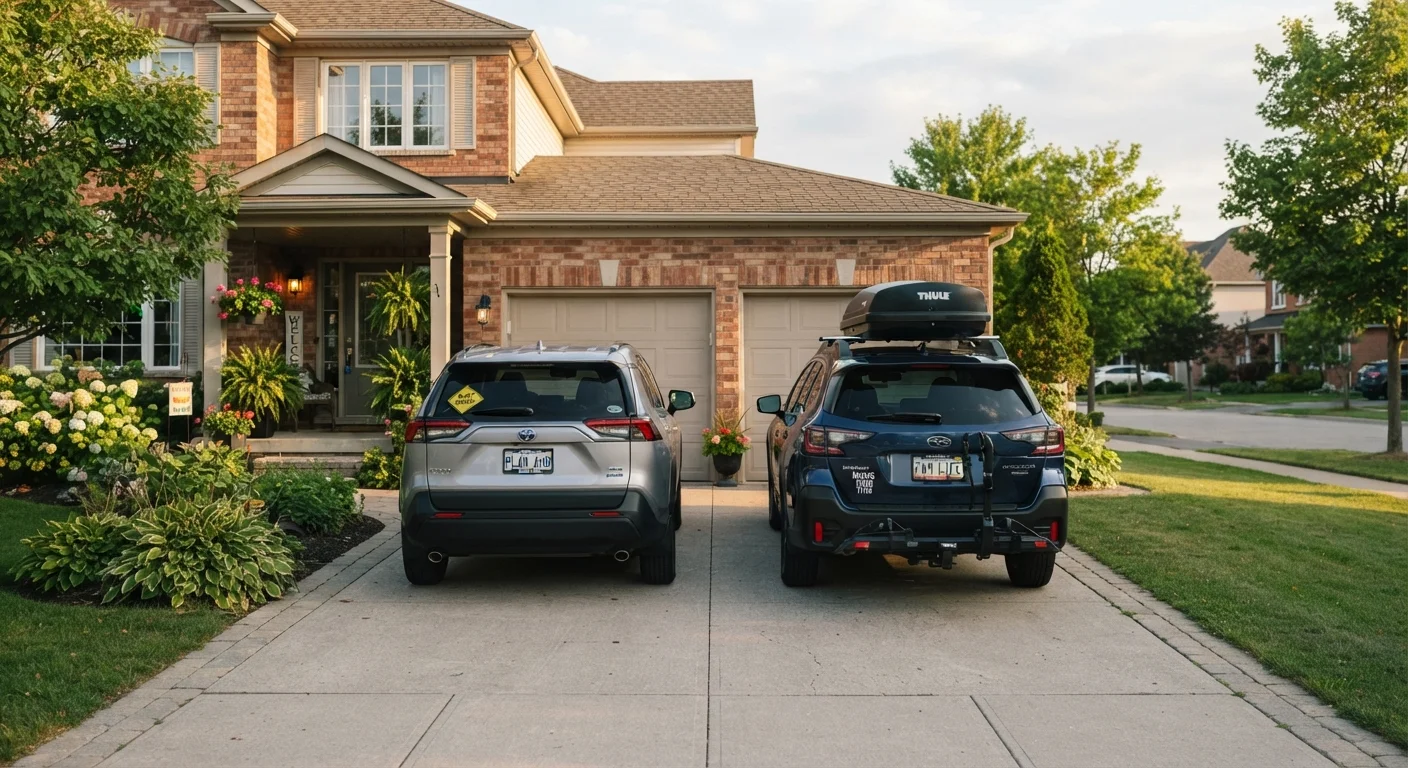
Adding a second vehicle to your household feels like a practical solution - and sometimes it genuinely is. But the purchase price is only the beginning of the financial picture. The real question isn't whether you can get approved for a loan. It's whether the full, ongoing cost of ownership fits your family's budget without crowding out other priorities.
Our breakdown of total car ownership costs shows how depreciation, insurance, fuel, and maintenance add up well beyond the sticker price - and those costs multiply when you're running two vehicles instead of one. Before you commit, it's worth asking whether the need is truly ongoing, or whether lower-cost alternatives like rideshare or car-sharing might cover the gap.
This checklist walks you through every major cost category - from financing and insurance to parking and logistics - so you can make the decision with your eyes open. Work through it before you visit a dealership or agree to any terms. For context on the financial trade-offs between leasing and buying, that's worth reading alongside this checklist.
Annual Credit Report (AnnualCreditReport.com)
Pull your free credit report to understand your credit standing before approaching lenders.
Auto Loan Calculator
Model monthly payments at different loan amounts, terms, and interest rates to find a range that fits your budget.
Your Current Auto Insurance Provider
Get an actual premium quote for the vehicle you're considering before you commit to the purchase.
Fuel Cost Estimator (fueleconomy.gov)
Use the U.S. Department of Energy's tool to estimate annual fuel costs based on a vehicle's MPG rating and your driving habits.
Household Budget Spreadsheet
Map current income versus expenses so you can identify real monthly surplus before adding a new fixed cost.
How to Use This Checklist
Work through the groups in order - budget first, then financing, then insurance and ongoing costs. Each item is labeled must, should, or nice to have so you can prioritize if you're short on time. Items marked must are non-negotiable before you sign anything.
For the budget and financing sections especially, put real numbers on paper rather than estimating in your head. Costs that feel manageable as rough figures often look different when you add them as line items in a household budget. Our family budgeting hub has practical strategies for mapping income against expenses if you need a framework to start from.
Also be aware that even a well-maintained second car will eventually need unplanned repairs. Our guide to hidden car ownership expenses covers fees and costs that routinely catch families off guard - registration renewals, tolls, roadside assistance - and is worth reviewing before you finalize your monthly budget estimate.
Don't Skip the Insurance Quote Step
Insurance costs vary dramatically by vehicle make, model, age, your ZIP code, and your household's driving history. Never assume the second car will be cheap to insure because it's older or lower in value. Sports car bodies, certain SUV classes, and vehicles with high theft rates can carry premiums that surprise first-time multi-car households. Get the actual quote before you sign anything.
Budget & Cash Flow
Financing & Upfront Costs
Insurance
Ongoing Ownership Costs
Parking & Logistics
Final Readiness Check
After You've Worked Through the Checklist
If every group checks out - your budget has genuine room, your emergency fund stays intact, insurance is quoted and affordable, and the parking situation is solved - you're in a strong position to move forward with confidence. If two or more groups surface unresolved concerns, it's worth pausing before committing.
Once you do have a second vehicle on the road, building a simple maintenance routine for both vehicles will help you avoid the larger repair bills that tend to arrive when routine upkeep gets skipped. And when travel season arrives, the pre-road-trip safety walkthrough is a useful habit to build before any family trip in either car.
Credit Approval Is Not Budget Approval
A lender approving you for a loan amount doesn't mean that payment is affordable for your household. Lenders evaluate risk to themselves, not the health of your family's overall finances. Always run your own full budget analysis first - factoring in insurance, fuel, and maintenance - before accepting any loan offer.
Used Vehicles Can Carry Hidden Repair Costs
A lower purchase price on an older or higher-mileage vehicle can be offset quickly by unexpected repairs. Before buying any used vehicle, budget for a pre-purchase inspection by an independent, qualified mechanic. This typically costs $100-$200 and can reveal issues that change the value of the deal significantly.
This article provides general financial and consumer information for educational purposes and does not constitute personalized financial or legal advice. Consult a qualified financial professional for guidance specific to your situation.
The content provided on our blog site traverses numerous categories, offering readers valuable and practical information. Readers can use the editorial team’s research and data to gain more insights into their topics of interest. However, they are requested not to treat the articles as conclusive. The website team cannot be held responsible for differences in data or inaccuracies found across other platforms. Please also note that the site might also miss out on various schemes and offers available that the readers may find more beneficial than the ones we cover.