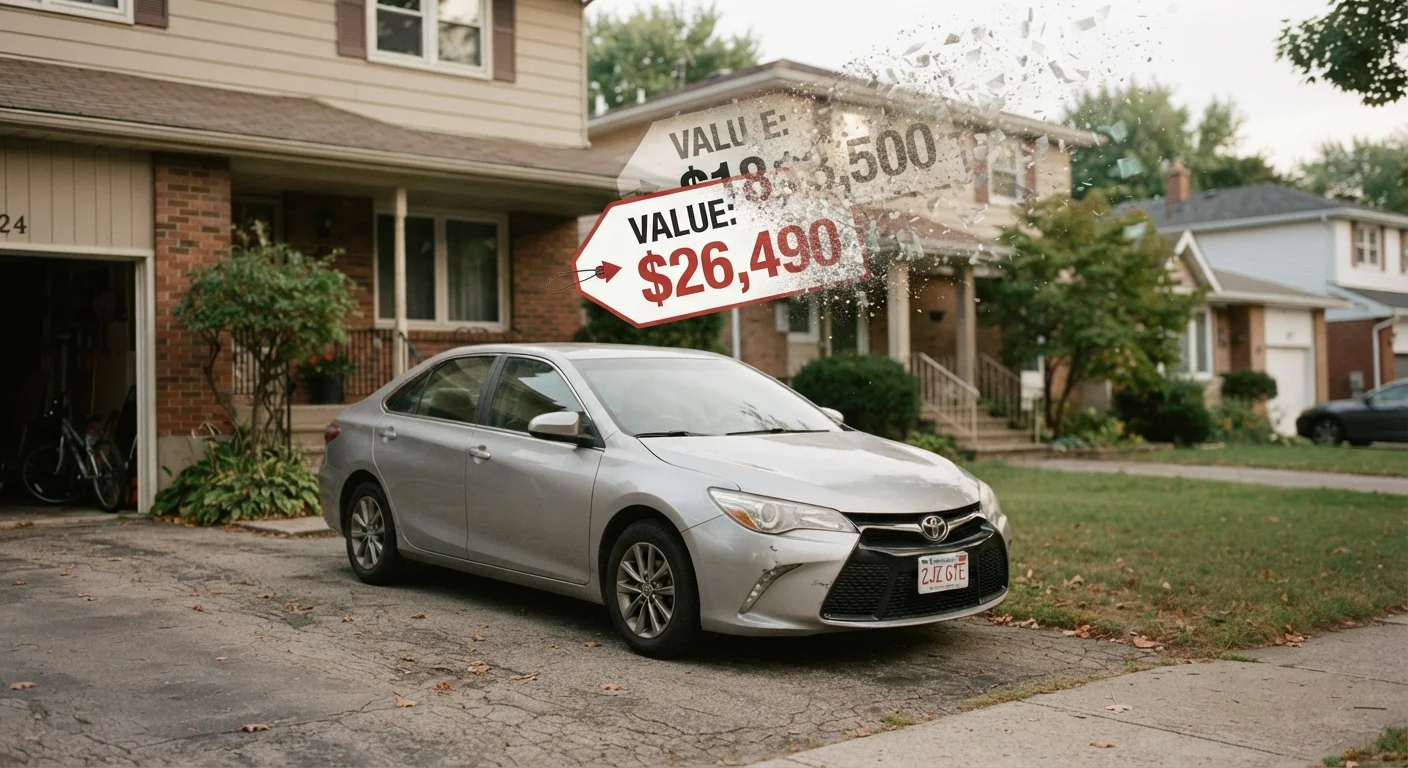
Option A
Leasing
The lower-payment, shorter-commitment path.
Best for: Families who want a new vehicle every two to three years and prefer predictable monthly costs without long-term ownership responsibility.
Option B
Buying
The long-term equity-building approach.
Best for: Families planning to keep a vehicle for many years and wanting to eliminate a monthly car payment over time.
How Each Arrangement Actually Works
Understanding the mechanics behind each option prevents the most common missteps families make at the dealership.
When you lease, you are essentially renting a vehicle from the financing company (called the lessor) for a set term - typically 24 to 39 months. Your monthly payment covers the vehicle's projected depreciation during that period, plus finance charges and fees. At the end of the lease, you return the vehicle or, in some contracts, pay a predetermined price to purchase it. You never build equity in the vehicle during the lease.
When you buy - whether with cash or a loan - you own the vehicle (or are in the process of paying it off). Every dollar applied to principal increases your ownership stake. Once the loan is paid, the vehicle is yours free and clear, with no further required payments beyond maintenance, insurance, and registration. For a deeper look at what those ongoing costs add up to, see our full breakdown of family car ownership costs.
| Criterion | Leasing | Buying |
|---|---|---|
| Monthly payment | Generally lower | Generally higher (loan) |
| Ownership equity | None built | Builds with each payment |
| Mileage flexibility | Capped; overage fees apply | Unlimited |
| Customization | Restricted | Unrestricted |
| End-of-term outcome | Return or buy-out | Own outright |
| Long-term cost (10+ years) | Higher (continuous payments) | Lower if vehicle retained |
| Wear-and-tear risk | Charged at return | No penalty; affects resale |
| Early exit flexibility | Often costly to break | Can sell or trade anytime |
The Costs Families Often Miss
Both paths carry costs that do not always appear in the headline numbers advertised at the dealership.
Hidden Lease Expenses
- Mileage overages: Exceeding your contract limit - often priced at $0.15-$0.25 per mile - can generate a sizable bill at lease return.
- Wear-and-tear charges: Scuffs, stains, or tire wear beyond the lessor's defined thresholds result in deductions from your security deposit or additional charges.
- Disposition fee: Many leases charge a fee (typically $300-$500) if you return the vehicle without leasing or purchasing another from the same manufacturer.
- Gap in coverage: If a leased vehicle is totaled, standard auto insurance may not cover the full amount owed to the lessor. Separate gap insurance or a lease contract with built-in gap coverage is important to verify.
Hidden Buying Expenses
- Depreciation: A new vehicle typically loses 15-25% of its value in the first year. You bear this loss as the owner. Comparing new versus used can help you evaluate whether absorbing that first-year drop makes sense for your budget.
- Interest cost on a loan: The total interest paid over a 60- or 72-month loan can be substantial depending on your credit profile and the rate offered. Our related piece on how loan terms affect total cost walks through the math in plain terms.
- Out-of-warranty repairs: Vehicles kept beyond the manufacturer's warranty period require owners to absorb repair costs directly.
Lease Contracts Vary Widely
Not all leases are structured the same way. Key variables - including the money factor (essentially the interest rate on a lease), residual value, and included mileage - are negotiable in some cases and fixed in others. Reading the full contract terms, not just the advertised monthly payment, is essential before signing. If any terms are unclear, asking for a plain-language explanation or consulting a trusted adviser is a reasonable step.
Thinking Through the Long-Term Financial Picture
Over a 10-year window, the financial comparison often shifts decisively toward ownership - but only if you hold the vehicle long enough after the loan is retired. A family that pays off a vehicle in five years and drives it for five more is effectively reducing their annual transportation cost significantly during those payment-free years.
Lessees, by contrast, face an uninterrupted cycle of monthly payments with no payment-free period unless they exit the cycle by purchasing a vehicle outright.
~49%
Share of new vehicles financed with a loan
According to Experian's State of the Automotive Finance Market reports, loans consistently represent the majority of new vehicle financing arrangements in the U.S.
~30%
Average new-vehicle depreciation in year one
Industry data from sources including Edmunds suggests many new vehicles lose roughly 20-30% of their value within the first 12 months of ownership.
~12,000
Average annual miles driven per U.S. driver
The Federal Highway Administration estimates the average American driver covers approximately 12,000-13,500 miles per year - a figure that matters significantly under lease mileage caps.
That said, leasing is not inherently wasteful. Families who consistently upgrade vehicles every two to three years anyway - either by choice or necessity - may find that the lower monthly payment of a lease versus a loan for the same vehicle frees up cash for other household priorities. The key is comparing the total cost of each path over the same time horizon, not just the monthly figure. Our annual car budget guide provides a practical worksheet for doing exactly that.
Families weighing whether to eventually trade in a purchased vehicle can also consult our piece on keeping versus trading in a high-mileage car to understand when holding on makes financial sense.
This article is for general informational purposes only and does not constitute personalised financial or legal advice. Consult a qualified financial professional before making decisions specific to your household's situation.
The content provided on our blog site traverses numerous categories, offering readers valuable and practical information. Readers can use the editorial team’s research and data to gain more insights into their topics of interest. However, they are requested not to treat the articles as conclusive. The website team cannot be held responsible for differences in data or inaccuracies found across other platforms. Please also note that the site might also miss out on various schemes and offers available that the readers may find more beneficial than the ones we cover.