What Vehicle Ownership Actually Costs U.S. Families
Most families think of a car payment as their main vehicle expense - but the monthly loan or lease is often just 30-40% of what they'll actually spend to own and operate that vehicle. Industry data consistently shows that total annual ownership costs for a typical new car in the U.S. range from roughly $10,000 to $13,000 per year, depending on vehicle type, driving habits, and location.
This reference guide breaks down each major cost category - insurance, fuel, maintenance, registration, and depreciation - so families can plan for the real number, not just the sticker price. For a broader look at expenses that often slip through the cracks, see our guide to hidden car ownership expenses.
| Average Annual Ownership Cost (New Car) | ~$10,000-$13,000 (AAA Your Driving Costs study, recent editions) |
| Largest Single Cost Category | Depreciation (often 35-55% of value over 5 years) (Industry average across vehicle segments) |
| Average Miles Driven Per Year (U.S.) | ~14,000-15,000 miles (Federal Highway Administration) |
| Typical Annual Insurance Cost Range | $1,400-$2,500 (Varies by state, coverage level, and driver profile) |
| Annual Registration Fees (Range by State) | Under $50 to $400+ (State DMV schedules vary widely) |
| Routine Maintenance (Annual Estimate) | $500-$1,200 (General industry range for vehicles under 10 years old) |
Cost Category Breakdown by Vehicle Type
Ownership costs vary significantly across vehicle segments. The table below reflects general industry averages; your actual costs will depend on your location, driving distance, credit profile, and how well you maintain the vehicle.
| Vehicle Category | Est. Annual Insurance | Est. Annual Fuel | Est. Annual Maintenance | Est. 5-Year Depreciation |
|---|---|---|---|---|
| Compact Sedan | $1,400-$1,800 | $1,400-$1,900 | $600-$900 | 40-50% |
| Midsize SUV | $1,600-$2,200 | $2,000-$2,800 | $700-$1,100 | 45-55% |
| Full-Size Pickup | $1,700-$2,400 | $2,500-$3,500 | $800-$1,200 | 35-50% |
| Minivan | $1,500-$2,000 | $1,800-$2,500 | $700-$1,000 | 45-55% |
| Electric Vehicle (BEV) | $1,700-$2,500 | $600-$1,100* | $400-$700 | 40-55% |
*EV "fuel" cost reflects electricity for charging. Actual charging costs depend heavily on local utility rates and home vs. public charging mix. See our detailed EV vs. gas vehicle cost comparison for a deeper look.
$11,500+
Average annual cost to own and operate a new vehicle
AAA's annual Your Driving Costs study consistently places total new-vehicle ownership costs above $11,000 per year for average U.S. drivers.
~20%
Typical first-year depreciation on a new vehicle
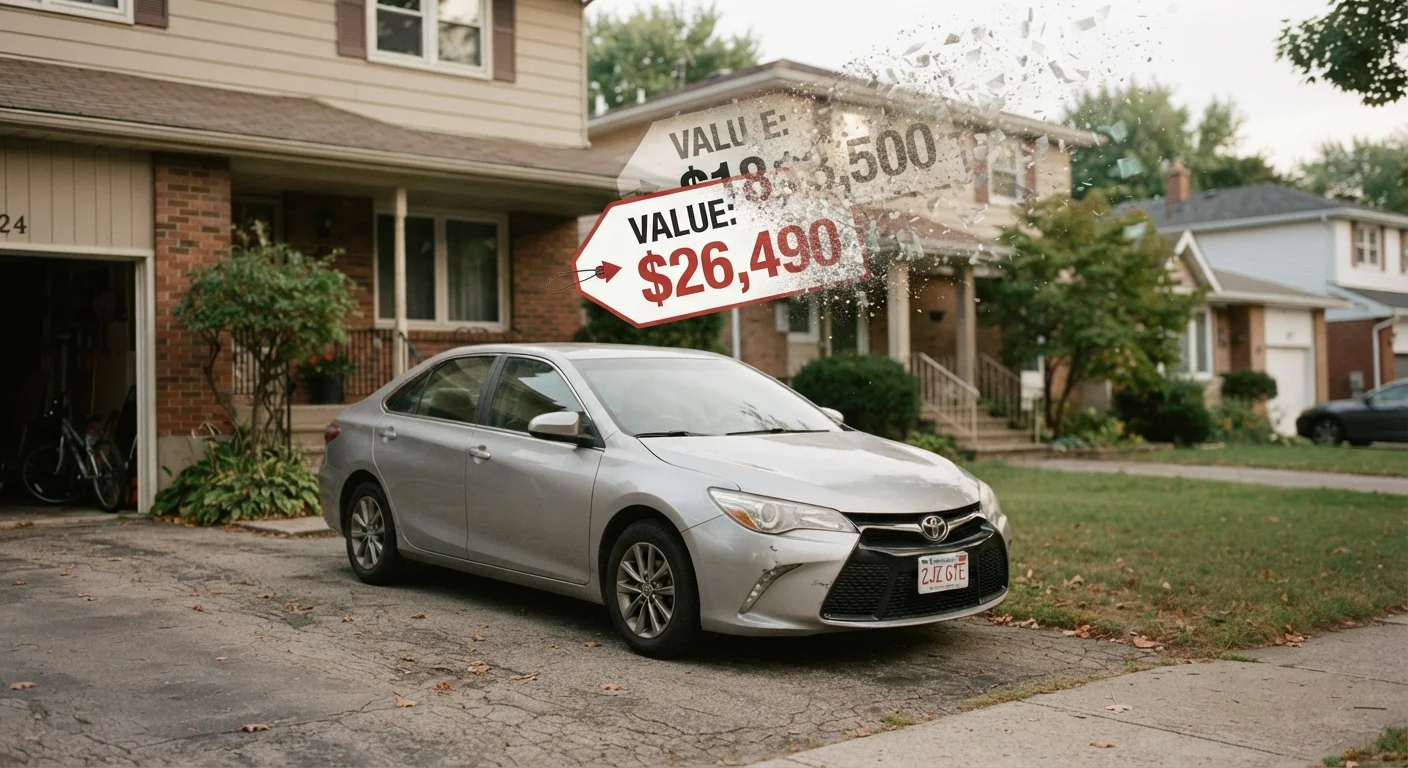
Many new vehicles lose approximately 15-25% of their purchase value within the first 12 months of ownership, according to automotive valuation analysts.
15,000
Miles the average American drives per year
The Federal Highway Administration reports average annual vehicle miles traveled per licensed driver in this range, which directly drives fuel and maintenance costs.
Understanding Each Cost Category
Knowing what drives each cost helps you identify where you have control and where you don't.
Depreciation
This is typically the single largest ownership expense, yet it's invisible - no bill ever arrives. A new vehicle loses a significant portion of its value within the first few years. Families who plan to trade in or sell their vehicle should factor depreciation into the total cost of ownership from day one.
Insurance
Premiums vary widely based on your ZIP code, driving record, coverage level, and the vehicle's safety ratings and repair costs. Comprehensive and collision coverage - usually required when financing - add substantially to the base liability cost.
Fuel
Annual fuel spending is largely driven by miles driven per year and the vehicle's EPA fuel economy rating. At an average of 15,000 miles driven annually, a vehicle rated at 30 MPG will use roughly 500 gallons per year.
Maintenance & Repairs
Routine maintenance - oil changes, tire rotations, filters, brake inspections - is predictable and relatively affordable. Unexpected repairs are harder to plan for but can be significant. Good maintenance habits reduce the likelihood of expensive failures. For context on cost myths around newer vehicles, see Car Ownership Cost Myths.
Registration & Taxes
Annual registration fees range from under $50 in some states to several hundred dollars in others. Some states tie registration fees to vehicle value, meaning a newer or more expensive vehicle costs more to register each year.
Depreciation
The loss in a vehicle's market value over time. It is the difference between what you paid for a vehicle and what it is worth when you sell or trade it in. Depreciation is typically the largest ownership cost most families don't see as a direct bill.
Total Cost of Ownership (TCO)
The full financial cost of owning and operating a vehicle over a defined period, including purchase price, financing, insurance, fuel, maintenance, registration, and depreciation.
Comprehensive Coverage
An auto insurance coverage type that pays for damage to your vehicle from non-collision events such as theft, weather, or fire. It is usually required by lenders when the vehicle is financed.
EPA Fuel Economy Rating
A standardized estimate of how many miles per gallon (MPG) a vehicle achieves in city and highway driving conditions, published by the U.S. Environmental Protection Agency. Used to compare fuel costs across vehicles.
Registration Fee
An annual government fee required to legally operate a vehicle on public roads. The amount varies by state and sometimes by the vehicle's age, weight, or value.
Building Your Family's Ownership Cost Estimate
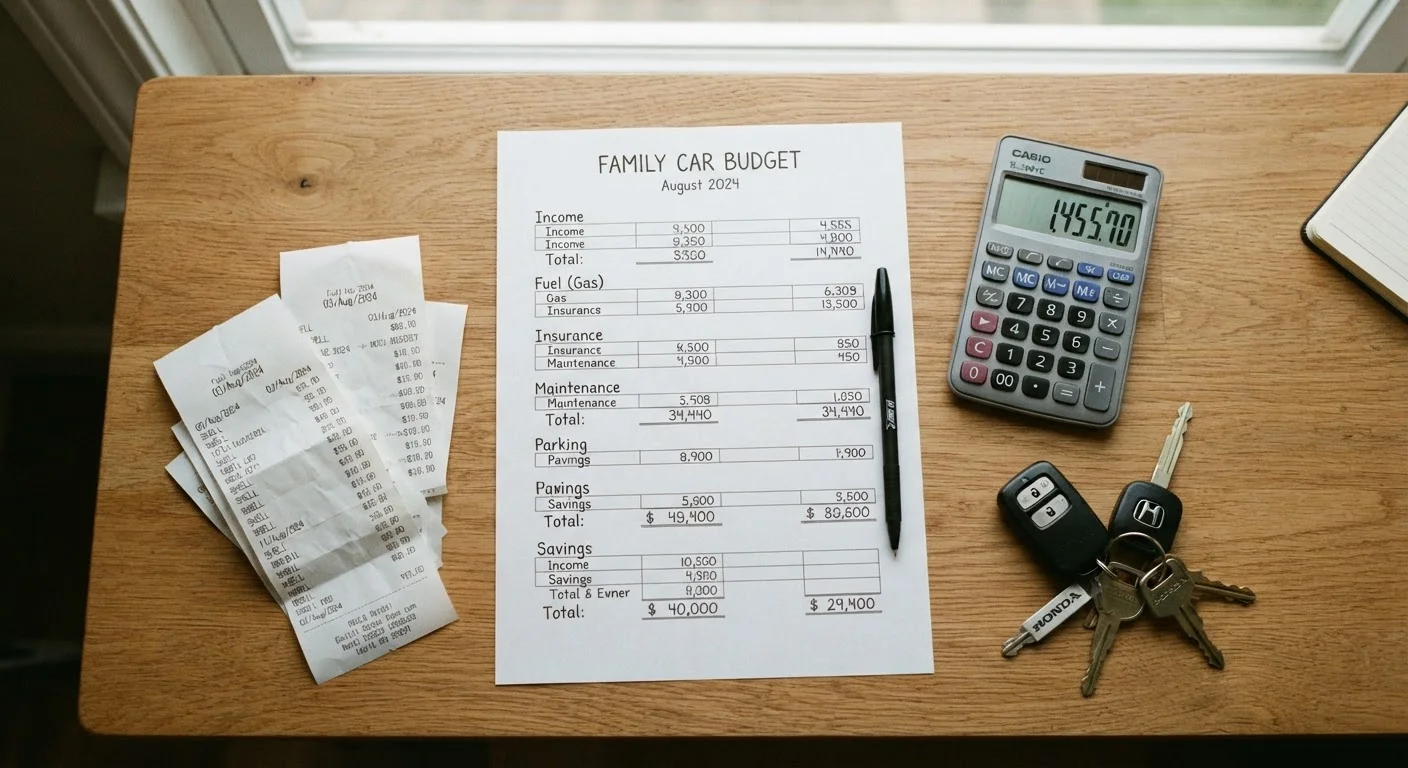
Use the categories above as a starting framework, then adjust for your specific situation. A few practical steps:
- Pull your actual insurance premium - don't estimate; log in and check your declaration page.
- Track fuel spending for one month and multiply by 12 for an annual baseline.
- Review your maintenance history and identify what services are due in the next 12 months based on your owner's manual schedule.
- Check your state's DMV website for current registration fee schedules - these change periodically.
- Estimate depreciation using a used-car valuation tool to compare your vehicle's current market value against what you paid.
For a structured walkthrough of this entire process, our annual car budget guide provides a step-by-step template. Families managing multiple financial priorities will also find useful overlap with household budgeting strategies.
This article provides general financial information for educational purposes only and is not personalized financial or purchasing advice. Costs shown are general industry estimates and will vary based on individual circumstances. Consult a qualified financial professional for guidance specific to your situation.
The content provided on our blog site traverses numerous categories, offering readers valuable and practical information. Readers can use the editorial team’s research and data to gain more insights into their topics of interest. However, they are requested not to treat the articles as conclusive. The website team cannot be held responsible for differences in data or inaccuracies found across other platforms. Please also note that the site might also miss out on various schemes and offers available that the readers may find more beneficial than the ones we cover.