

Our Verdict
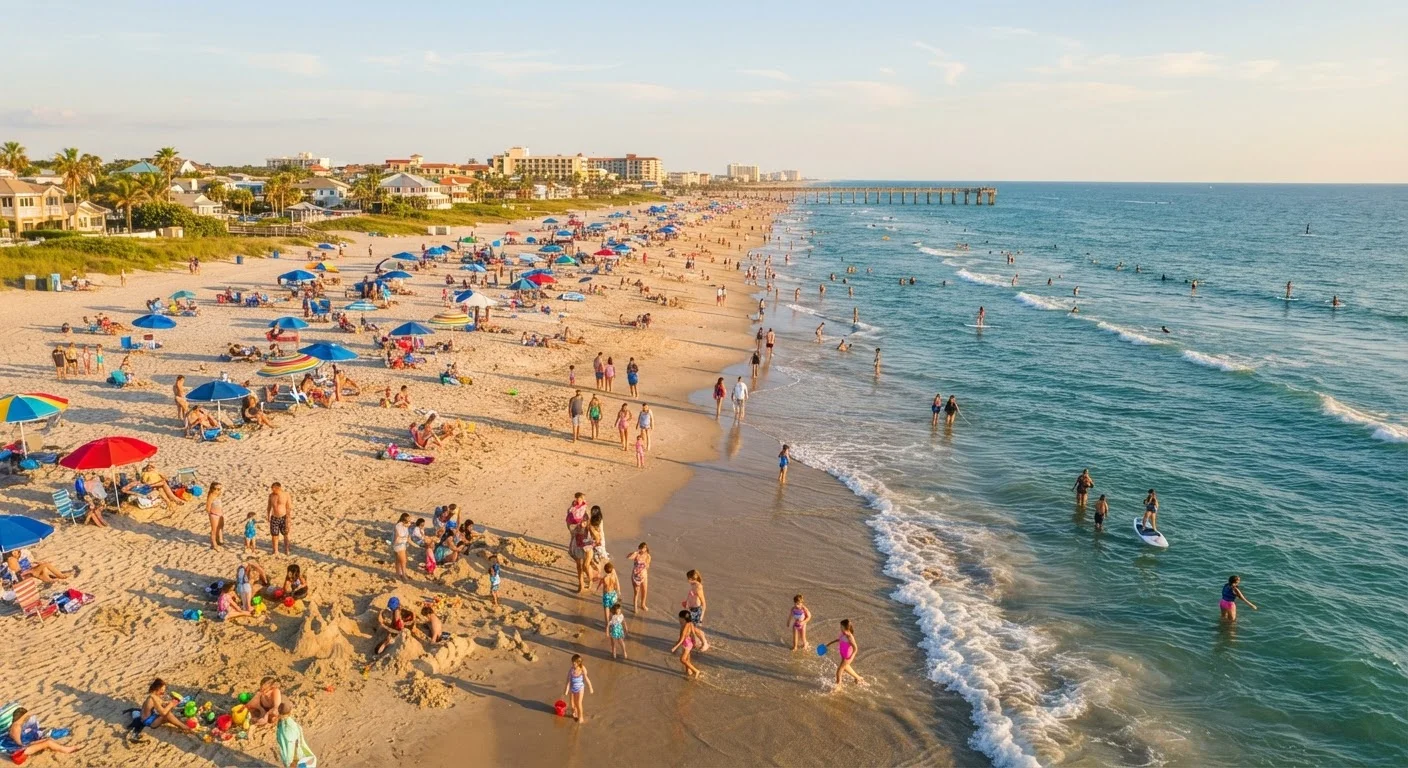
Neither coast is universally better for families - the right fit depends on your children's ages, your comfort with surf conditions, and how far you're willing to travel. East Coast beaches tend to be more accessible to the larger US population and offer calmer swimming conditions, while Pacific Coast destinations reward families who prize dramatic scenery and cooler air. Match the beach to your kids, not the other way around.
| Best for | Recommended |
|---|---|
| Families with toddlers or early swimmers | Atlantic Coast (calm-bay beaches such as those on the Outer Banks or Cape Cod) |
| Families seeking dramatic scenery and cooler summer temperatures | Pacific Coast (Oregon Coast or Northern California) |
| Families prioritizing value and shorter driving distances from the Midwest or Southeast | Gulf Coast or South Atlantic destinations |
| Teens and tweens who want active water sports and surf culture | Pacific Coast (Southern California or Pacific Northwest) |
Why the Two Coasts Feel So Different for Families
Parents planning a first beach vacation often assume a beach is a beach - but the differences between Atlantic and Pacific coastal experiences are significant enough to affect your whole trip. Ocean temperature, wave strength, tidal patterns, and even the width of sandy beaches vary dramatically between coasts, and all of these factors matter when you're traveling with kids.
The Atlantic Ocean along the US East Coast is generally warmer in summer, shallower near shore in many areas, and bordered by more protected bays and sounds. The Gulf Coast - often lumped with Atlantic planning - features some of the calmest, warmest water in the continental US. The Pacific Ocean, by contrast, runs colder even in summer along most of California and nearly all of Oregon and Washington, and its surf can be powerful enough to pose risks for inexperienced swimmers of any age.
Before booking, it's worth thinking about how you're getting there, too. See our comparison of road trips vs. fly-and-stay vacations for help weighing your transport options alongside destination choice.
Atlantic and Gulf Coast: Key Characteristics for Families
The East Coast offers a wide range of beach personalities. From the rocky, tidal shores of Maine to the wide, flat sands of the Carolinas, and on to the calm Gulf waters of Florida's Panhandle, families have genuine options across different budgets and driving distances.
- Water temperature: Summer water temps along the mid-Atlantic and Southeast coasts typically range from the low 70s°F to the low 80s°F - comfortable for children to wade and swim.
- Surf conditions: Many East Coast beaches feature moderate wave action, and protected barrier island bays (like those behind the Outer Banks) offer very calm water ideal for young children.
- Lifeguard coverage: Popular East Coast destinations such as Virginia Beach and Ocean City, MD, maintain robust seasonal lifeguard programs, though coverage varies - always verify locally before you go.
- Accessibility: Most Americans live within a day's drive of an Atlantic or Gulf Coast beach, which can significantly reduce travel costs.
For ideas on stretching your beach budget, the Travel on a Budget hub is a useful starting point.
Look for Protected Bay Beaches
If you're traveling with very young children on the East Coast, seek out beaches on the bay or sound side of barrier islands rather than the ocean-facing side. These protected stretches typically feature gentler waves and shallower wading areas - a huge difference for toddlers and nervous first-time swimmers. Many popular family beach towns have both ocean and bay access within easy walking or driving distance.
Pacific Coast: What Families Should Realistically Expect
The Pacific Coast's appeal is undeniable - sweeping cliffs, tide pools teeming with sea life, and a surf culture that older kids often find thrilling. But parents should go in with clear expectations about conditions.
- Water temperature: Even in peak summer, ocean water along Central and Northern California rarely exceeds the mid-60s°F. Oregon and Washington water can sit in the 50s°F - chilly for young swimmers.
- Rip currents and surf: The Pacific's wave energy is generally stronger than the Atlantic's at comparable latitudes. Sneaker waves - unexpected surges far up the beach - are a documented hazard on the Oregon and Northern California coast. Always follow posted safety warnings and supervise children closely near the water's edge.
- Tide pools and scenery: For families with curious older kids, the Pacific Coast's rocky intertidal zones are genuinely extraordinary. Low-tide exploring at protected areas offers an educational experience that flat-sand beaches simply don't match.
- Cooler air temperatures: Coastal California summer weather, especially from San Francisco northward, can be cool and foggy - a welcome relief for some families, a surprise for others expecting warm beach days.
If comparing international coastal options is on your radar, our article on Mexico's family-friendly coastal regions offers a useful contrast.
Side-by-Side Comparison: Atlantic vs. Pacific for Families
The table below summarizes how the two coasts compare across criteria that matter most to families. Keep in mind conditions vary even within a single coast - this reflects general patterns, not guarantees for any specific location.
| Atlantic & Gulf Coast | Pacific Coast | |
|---|---|---|
| Summer water temperature | Low 70s-low 80s°F (comfortable) | Mid-50s-mid-60s°F (cold for most children) |
| Typical surf intensity | Moderate; many calm bay options | Stronger; sneaker wave risk on northern sections |
| Best age range | All ages, especially toddlers-early swimmers | Older kids and teens; tide-pool exploration for all |
| Scenic character | Wide sandy beaches, barrier islands, dunes | Dramatic cliffs, rocky shores, tide pools, redwoods |
| Summer air temperature | Warm to hot; humidity varies by latitude | Mild to cool; frequent coastal fog in the north |
| Drive access for most Americans | High - majority of US population lives within range | Moderate - primarily accessible to Western US families |
| Hurricane/storm risk | June-November season on Gulf and South Atlantic | Lower hurricane risk; storm surges possible in winter |
For activities once you arrive, free and low-cost beach activities are available on both coasts and can meaningfully reduce daily spending.
Practical Tips for Choosing and Planning Your Coastal Trip
Once you've identified which coast fits your family's needs, a few practical considerations can make the difference between a smooth trip and a stressful one.
- Match the beach to your youngest child's swimming ability. Calm Gulf or protected Atlantic bays work far better for toddlers than open Pacific beaches. Honest self-assessment here matters more than Instagram appeal.
- Check lifeguard schedules before you finalize dates. Many beaches are only staffed on weekends outside peak season, or not at all. Local tourism offices and state park websites typically publish this information.
- Consider lodging type early. Beach destinations often fill vacation rentals months ahead of summer. Our guide to vacation rentals vs. hotel rooms for families can help you weigh which setup makes more sense for your group size.
- Factor in driving vs. flying costs for your specific region. A family in Denver may find the Pacific Coast nearly as accessible as the Gulf Coast by flight, while a family in Georgia will almost certainly drive to the Southeast Atlantic at lower cost.
- Plan for weather variability. Bring layers for the Pacific Coast regardless of season, and watch hurricane season forecasts (June-November) if booking Gulf or Atlantic destinations in late summer or fall.
Sneaker Waves Are a Serious Pacific Coast Hazard
Oregon and Northern California coastal safety officials consistently warn about sneaker waves - large unexpected surges that can knock adults off their feet and reach far up the beach without warning. These are not rare events; they occur year-round. Always keep young children well back from the water's edge on rocky or open Pacific beaches, never turn your back to the ocean, and follow all posted warning signs. Verify current conditions with local ranger stations or state park offices before visiting.
For families considering a Pacific Northwest coastal trip as part of a broader road trip, the Road Trip Planning hub has practical guidance for multi-stop itineraries.
The content provided on our blog site traverses numerous categories, offering readers valuable and practical information. Readers can use the editorial team’s research and data to gain more insights into their topics of interest. However, they are requested not to treat the articles as conclusive. The website team cannot be held responsible for differences in data or inaccuracies found across other platforms. Please also note that the site might also miss out on various schemes and offers available that the readers may find more beneficial than the ones we cover.