

Why the Region You Choose Matters More Than You Might Expect
"Mexico" covers a lot of ground — roughly 6,000 miles of coastline across two oceans. Booking a beach trip without understanding regional differences is a bit like planning a US coastal vacation without distinguishing between the Gulf of Mexico and the coast of Maine. The experience, logistics, and atmosphere can be dramatically different.
For US families, three coastal regions dominate travel conversation: the Yucatán Peninsula on the Caribbean Sea, the Pacific coast (stretching from Mazatlán down through Oaxaca), and the Baja California Peninsula. Each deserves an honest look on its own terms. See also our guide to US coastal destinations for a domestic comparison if you're weighing options closer to home.
#1
Most visited international destination for US tourists
Mexico has consistently ranked as the top international destination for US travelers, according to the U.S. National Travel and Tourism Office.
~6,000 mi
Total Mexican coastline length
Mexico's coastline spans both the Caribbean Sea and the Pacific Ocean, producing dramatically different ocean conditions across regions.
3–4 hrs
Average flight time from Eastern US to Cancún
Short flight times make the Yucatán one of the more logistically manageable international beach destinations for US East Coast families.
The Yucatán Peninsula: Infrastructure-Heavy, Caribbean-Calm
The Yucatán — and specifically the Riviera Maya corridor running from Cancún south toward Tulum — is the most heavily developed and tourist-oriented coastal region in Mexico. This is both its strength and its limitation for families.
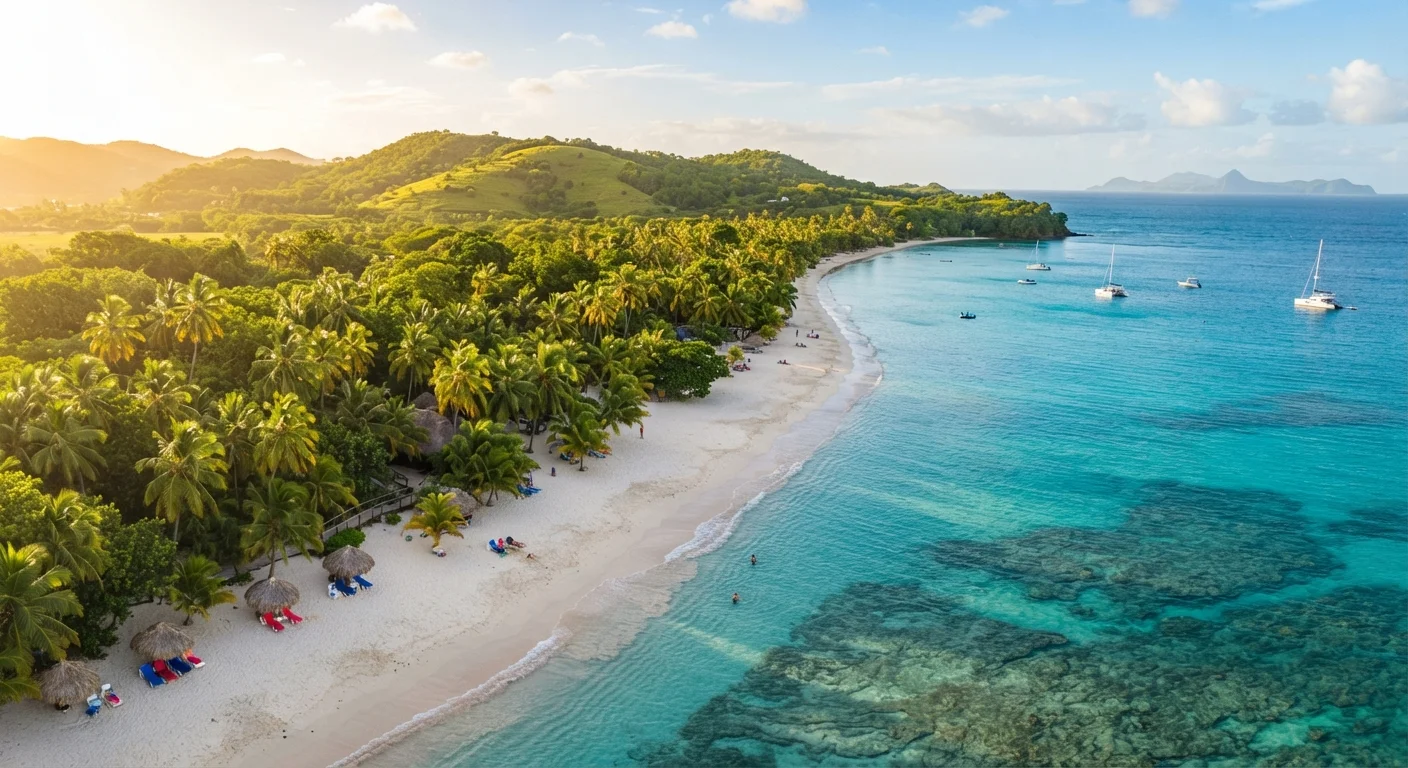
Ocean conditions are a genuine advantage here. The Caribbean Sea along this stretch is typically calm, warm, and shallow near shore, which is a meaningful safety consideration for families traveling with toddlers or younger kids. Many resort beaches have gentle surf that allows for easy swimming supervision.
The region is dense with all-inclusive resorts offering structured kids' clubs, shallow pools, and dedicated family programming. Cancún's Hotel Zone functions almost like a self-contained tourist city with reliable medical infrastructure, international restaurants, and English-speaking staff throughout.
The cultural trade-off: the most resort-heavy zones can feel insulated from everyday Mexican life. Families seeking authentic cultural immersion may need to venture beyond the resort corridor — to towns like Valladolid or into the cenote (natural sinkhole) swimming areas inland — to find it. The ancient Maya ruins at Chichén Itzá and Tulum are accessible day trips that add real historical depth to any itinerary.
Check Cenotes as a Backup Beach Day
If Yucatán weather turns overcast or you simply want a break from the resort pool, inland cenotes offer crystal-clear freshwater swimming in spectacular natural settings. Many are within an hour's drive of major resort areas. Research age and swimming-ability requirements before visiting, as conditions vary by site.
The Pacific Coast: Culture, Scenery, and Surf to Navigate
Mexico's Pacific coast stretches thousands of miles and resists easy generalization. Puerto Vallarta, Sayulita, and Huatulco each attract families for different reasons — and ocean conditions across Pacific beaches are considerably more variable than the Caribbean side.
Surf and currents matter here. Many Pacific coast beaches have stronger waves and rip currents than Caribbean counterparts. Families should research specific beach conditions — not just resort names — before assuming calm swimming conditions. Calm coves exist (Bahías de Huatulco is one well-regarded example), but rocky shores and surging surf are common enough to warrant attention.
What the Pacific coast offers that the Yucatán often doesn't: a stronger sense of everyday Mexican urban life, particularly in cities like Puerto Vallarta, where cobblestone neighborhoods, local mercados, and traditional festivals sit alongside tourist infrastructure. Families with older kids who appreciate cultural texture tend to respond strongly to this region.
Outdoor activities beyond the beach — hiking, whale watching (seasonally), and traditional craft markets — round out a Pacific coast trip nicely. For families who want structure alongside exploration, see how to build a family itinerary kids actually enjoy.
Baja California: The Drivable Option Most US Families Overlook
Baja California offers something neither the Yucatán nor the Pacific coast can: the option to drive across the border from Southern California. For families in San Diego, Los Angeles, or the broader Southwest, Baja represents genuinely accessible international travel without the cost and logistics of flying.
Los Cabos (at Baja's southern tip) has developed significantly as a resort destination, with calm bay beaches on the Sea of Cortez side suitable for families. Ensenada and the northern Baja coast are popular for shorter road trips and weekend stays.
Ocean conditions in Baja vary by side and season. The Sea of Cortez (eastern shore) tends to be calmer and warmer; the Pacific-facing western shore is more exposed. Wildlife experiences — whale shark encounters near La Paz, gray whale watching in Baja's lagoons — are genuinely distinctive activities families remember long after the trip.
Families comparing international destinations should also consider our overview of Costa Rica for families for a wildlife-focused alternative, and Canada as a family destination for a closer international option. For budget-conscious planning across any of these regions, the Travel on a Budget hub has practical strategies worth bookmarking.
Verify Entry Requirements for Minors
U.S. citizens of all ages need a valid passport to enter Mexico by air. Children traveling with only one parent or with non-parent guardians may need notarized consent documentation from the absent parent. Requirements can change; confirm current rules with the U.S. State Department and Mexican consular sources before departure.
Before finalizing any destination, review our checklist of what to confirm before booking a family resort — amenities and policies vary widely even within the same region.
Frequently Asked Questions
Safety varies by specific location rather than entire coastlines. Highly developed resort zones in Cancún, Los Cabos, and Puerto Vallarta generally have well-established tourism infrastructure and security presence. Always review current U.S. State Department travel advisories for the specific Mexican state you plan to visit before booking.
Yes. All U.S. citizens, including children, need a valid passport to enter Mexico by air. Children traveling with only one parent may also need additional documentation; verify requirements with official government sources before departure.
The Yucatán's Caribbean side — particularly the Riviera Maya — is generally considered more suitable for toddlers due to calmer, shallower waters and an abundance of all-inclusive resorts with dedicated kids' programs. Pacific beaches can have stronger surf and currents that require closer supervision.
Cancún is roughly 3–4 hours from most Eastern US cities and 4–5 hours from the Midwest. Pacific coast destinations like Puerto Vallarta run 3–5 hours from the West Coast. Baja (Los Cabos or Ensenada) is a short flight or even a drive from Southern California.
December through April is generally considered peak season across all regions — drier weather, calmer seas, and lower humidity. The Yucatán's hurricane season runs June through November, which also brings lower prices but added weather risk.
The content provided on our blog site traverses numerous categories, offering readers valuable and practical information. Readers can use the editorial team’s research and data to gain more insights into their topics of interest. However, they are requested not to treat the articles as conclusive. The website team cannot be held responsible for differences in data or inaccuracies found across other platforms. Please also note that the site might also miss out on various schemes and offers available that the readers may find more beneficial than the ones we cover.