

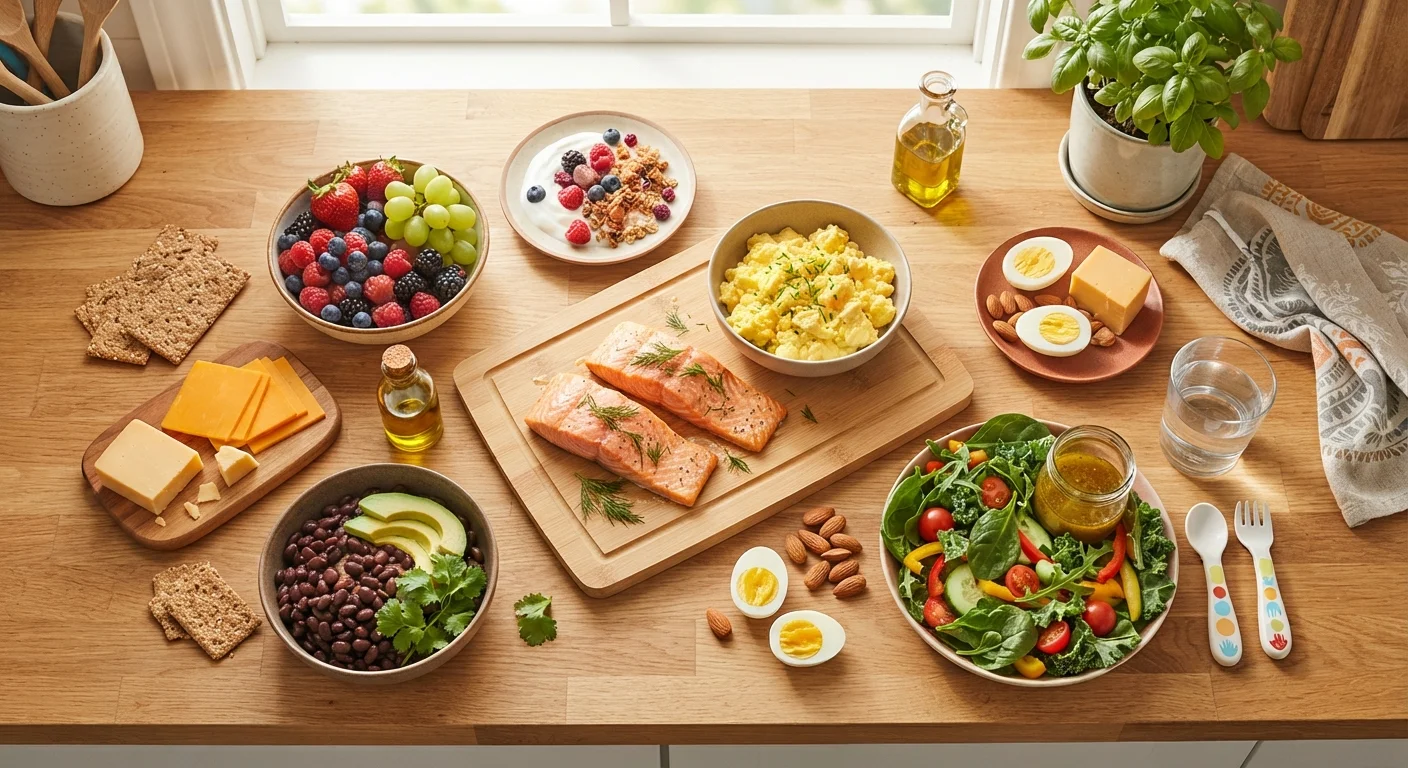
Why Gaps Show Up Even in Well-Fed Kids
A child can eat three meals a day and still fall short on critical nutrients. National dietary surveys, including data collected through the CDC's National Health and Nutrition Examination Survey (NHANES), consistently show that even children in food-secure households tend to under-consume certain vitamins and minerals — not because of neglect, but because of predictable patterns in what kids actually eat versus what their growing bodies need.
Picky eating, heavy reliance on processed convenience foods, and limited vegetable variety are the most common culprits. The good news: most gaps can be narrowed through practical, food-first adjustments rather than a cabinet full of supplements. Understanding which nutrients are at risk is the first step.
For a broader look at how these patterns develop at the table, see where families quietly lose the nutrition plot at mealtimes.
What National Nutrition Data Tells Us
The nutrients listed in this article are consistently flagged in U.S. dietary surveys as shortfall nutrients for children and adolescents. These are population-level patterns, not a diagnosis for any individual child. A child who appears healthy may still fall short on certain nutrients without obvious symptoms, while another child may meet their needs through a diet that looks limited on the surface. Individual variation is real — which is why a healthcare provider is the right resource for personalized assessment.
The Nutrients Most Commonly Under-Consumed by American Children
Vitamin D
Vitamin D supports bone development, immune function, and muscle health — yet it is one of the most widespread shortfalls in American children. The primary source is sunlight, but indoor lifestyles, sunscreen use, and darker skin tones all reduce how much the body produces. Dietary sources are limited: fatty fish (salmon, tuna), egg yolks, and fortified milk or plant-based milks are among the best options. Offering fortified dairy at meals and including oily fish once or twice a week are practical starting points. A pediatrician can order a simple blood test if deficiency is a genuine concern before any supplement is considered.
Fortified milk and fatty fish are among the most practical food sources of vitamin D for kids.
Calcium
Calcium is essential for building the bone density that children accumulate through their teens — a reserve they'll rely on for life. Despite dairy's ubiquity in American households, many children, particularly teenagers, fall below recommended intakes. Not all kids tolerate or consume dairy, and non-dairy sources (tofu set with calcium sulfate, canned sardines or salmon with bones, fortified plant milks, and leafy greens like kale and bok choy) are often overlooked. Adding a serving of fortified plant milk to a smoothie or stirring white beans into soups are low-effort ways to boost intake across the day.
Peak bone density is built during childhood and teens — consistent calcium intake during these years matters.
Iron
Iron supports oxygen transport in the blood and is critical for cognitive development and energy. Deficiency is particularly common in toddlers transitioning off formula, adolescent girls after menstruation begins, and children following vegetarian or vegan diets. Red meat, poultry, and seafood provide heme iron, which the body absorbs most efficiently. Plant sources — lentils, beans, tofu, fortified cereals — provide non-heme iron, which is better absorbed when paired with a vitamin C–rich food (think a glass of orange juice with breakfast or tomatoes alongside beans). Avoid serving high-calcium foods and iron-rich foods together at the same meal, as calcium can inhibit iron absorption.
Pairing plant-based iron sources with vitamin C significantly improves how much your child's body absorbs.
Potassium
Potassium helps regulate blood pressure, supports muscle function, and is essential for heart health — but most American children consume well below recommended levels. The primary reason is low fruit and vegetable intake. Bananas are the most recognized source, but white potatoes (baked with skin), sweet potatoes, avocado, white beans, and plain yogurt all deliver substantial amounts. Rather than forcing specific foods, the practical goal is ensuring vegetables or fruit appear at most meals. Even modest increases in produce variety across the week can meaningfully improve potassium status.
Sweet potatoes, white beans, and yogurt are potassium-rich foods that most kids will actually eat.
Dietary Fiber
Fiber supports digestive health, feeds beneficial gut bacteria, and helps children feel full between meals — yet average intake among American kids is roughly half the recommended amount. Refined grains, low vegetable consumption, and limited legume intake are the main drivers. Simple swaps carry real impact: choosing whole-grain bread or pasta over white versions, adding beans to tacos or pasta sauces, and keeping whole fruit (not juice) accessible as snacks all raise fiber intake without requiring separate meals. Understanding how snack choices affect overall daily intake is covered in detail in how snacks affect kids' daily nutrition.
Swapping refined grains for whole grains is one of the highest-impact, lowest-effort changes families can make.
Vitamin E
Vitamin E is an antioxidant that supports immune function and skin health, but it is among the most consistently under-consumed vitamins in children's diets according to national survey data. This is largely because its richest sources — nuts, seeds, and plant oils — are not staples of typical children's meals. Sunflower seeds, almonds, peanut butter, and sunflower oil are accessible, child-friendly options. Adding nut butter to whole-grain toast, sprinkling seeds over oatmeal, or using sunflower oil in home cooking are low-effort ways to incorporate more without dramatically changing what the family eats.
Nut butters and seeds are among the easiest vitamin E sources to work into a child's daily routine.
A Food-First Approach Works for Most Families
For the majority of children without a diagnosed deficiency, a varied whole-food diet can address most of these shortfalls without supplements. Focus on rotating protein sources, including a fruit or vegetable at every meal, and choosing whole grains over refined options. If you're concerned your child may have a specific deficiency, speak with their pediatrician — a blood test can provide clarity and guide any targeted intervention. Supplements are not a substitute for dietary variety and may not be necessary or appropriate for every child.
Putting It All Together at the Table
No single meal needs to check every box — the goal is variety across the week. Rotating protein sources, adding a leafy green or legume to dinners, and rethinking snack choices (see how snack composition affects daily nutrient intake) can quietly move the needle on most of these shortfalls without overhauling how your family eats.
Nutrient needs also change significantly between a toddler and a teenager. If you want to match food choices to your child's specific life stage, family nutrition through every age walks through those shifts in practical detail.
For families looking to build these habits into a sustainable routine rather than a short-term fix, the nutrition habits that actually stick in busy households offers research-informed approaches that work within real household constraints.
This article provides general nutrition information for educational purposes only and is not a substitute for personalized medical or dietary advice. If you have concerns about your child's nutrient intake or growth, consult a qualified healthcare provider or registered dietitian.
The content provided on our blog site traverses numerous categories, offering readers valuable and practical information. Readers can use the editorial team’s research and data to gain more insights into their topics of interest. However, they are requested not to treat the articles as conclusive. The website team cannot be held responsible for differences in data or inaccuracies found across other platforms. Please also note that the site might also miss out on various schemes and offers available that the readers may find more beneficial than the ones we cover.