

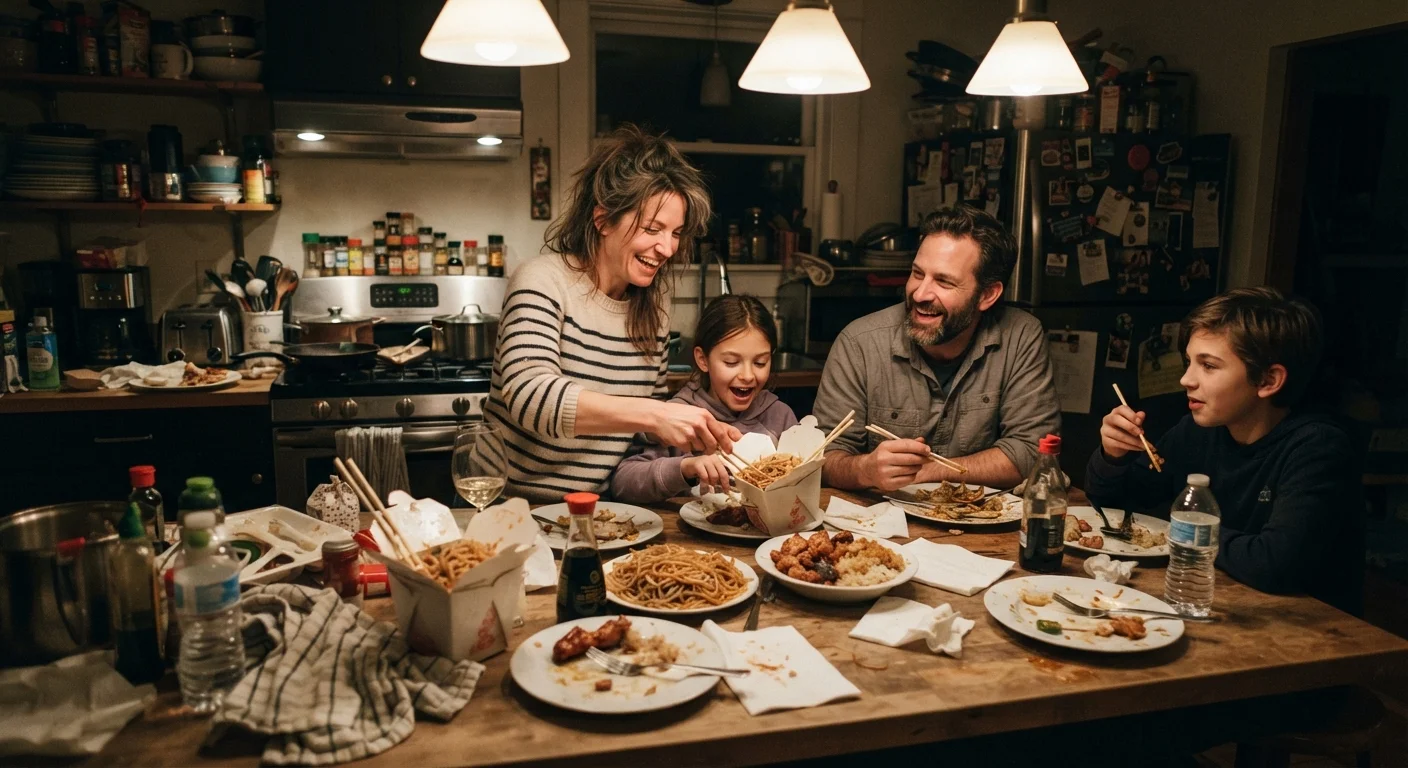
The Invisible Drift in Family Eating Patterns
No family decides to eat poorly. The erosion of good nutrition at home is almost always gradual — a skipped breakfast here, a second helping there, a vegetable quietly dropped from the weekly rotation. Over weeks and months, these micro-decisions compound into patterns that shape energy levels, mood, and long-term health for every member of the household.
The habits explored below are drawn from well-established nutritional research, including guidance from the CDC and the USDA's Dietary Guidelines for Americans. Understanding why these mistakes happen is just as important as knowing how to correct them. For a broader look at what research-backed eating routines look like in practice, see practical nutrition habits that stick.
This article provides general nutrition information and education. It is not a substitute for personalised advice from a registered dietitian or healthcare provider.
Skipping breakfast or replacing it with sugary drinks.
Why it happens: Mornings are rushed, and preparing a balanced breakfast for a full household feels like one demand too many. Juice or sweetened beverages are fast and feel nutritious.
Letting portion sizes creep up without noticing.
Why it happens: Restaurant portions, jumbo packaged snacks, and large dinnerware have gradually reset what a "normal" amount of food looks like for most families.
Eating in front of screens at most meals.
Why it happens: Screens reduce the friction of mealtime conflict, occupy restless children, and have become deeply habitual for adults too.
Treating vegetables as optional rather than structural parts of meals.
Why it happens: When time is short and preferences vary across ages, vegetables are the easiest food group to drop without immediate complaint.
Relying on ultra-processed foods most nights of the week.
Why it happens: Ultra-processed options are fast, affordable, and engineered to be palatable. On high-stress evenings, they require almost no effort.
Letting unstructured snacking replace structured meals.
Why it happens: With variable family schedules, it is easy for children and adults to graze continuously rather than gather for defined meals, losing the nutritional structure that planned meals provide.
Why These Mistakes Are So Hard to Spot
Most of the errors above feel completely normal in the moment. Screens at dinner seem harmless. Generous portions feel like hospitality. A bag of crackers between meals feels like a reasonable stopgap. The problem is not any single incident — it is the repetition.
90%
Americans not meeting vegetable intake recommendations
According to CDC data cited in the USDA Dietary Guidelines for Americans, roughly 9 in 10 Americans do not consume recommended amounts of vegetables daily.
57%
of daily calories from ultra-processed foods in U.S. diets
A study published in BMJ Open estimated that ultra-processed foods account for more than half of daily caloric intake for the average American adult.
20 mins
Lag time before fullness signals reach the brain
Physiological research indicates the brain's satiety signals lag roughly 20 minutes behind actual food consumption, making slower, screen-free meals important for appetite regulation.
Research consistently shows that environmental cues — plate size, packaging, the presence of screens — influence how much families eat independent of hunger. The USDA's MyPlate framework emphasises filling half the plate with fruits and vegetables, yet national surveys indicate most American households fall well short of that mark. For a deeper look at why children in particular resist vegetables and what actually helps, see why kids reject vegetables.
Snacking patterns are another area where families often lose ground without realising it. Timing and food composition matter considerably, as explored in our companion piece on snacking between meals. When snacks are high in refined carbohydrates and low in protein or fibre, they tend to reduce appetite for more nutritious main meals without contributing meaningfully to daily nutrient needs. Our guide on whole grains versus refined grains explains exactly how these choices differ at the nutritional level.
Screen Time at Meals Has Cumulative Effects
It may seem minor, but habitual distracted eating can persistently override natural hunger and fullness cues in both children and adults. Over time, this can contribute to a pattern of eating past satiety that is difficult to reverse. If your family's mealtimes regularly involve devices, consider making one meal per day screen-free as a starting point rather than an all-or-nothing change.
Nutritional needs also shift considerably as children age — what works for a toddler's plate is quite different from what a teenager requires. Our overview of family nutrition through every age covers how to adjust without cooking five separate meals.
The good news is that none of these corrections require perfection. Families who make small, consistent changes — one improved habit at a time — are far more likely to sustain better eating patterns than those who attempt a dramatic dietary overhaul. If broader food beliefs are getting in the way, it is also worth checking common misconceptions at common family nutrition myths.
When to Seek Professional Guidance
If a family member — particularly a child — is showing signs of significant weight changes, food avoidance that goes beyond typical picky eating, or persistent low energy despite adequate meals, consult a registered dietitian or your family's healthcare provider. General nutrition tips cannot substitute for personalised assessment, especially for children, adolescents, pregnant individuals, or anyone managing a chronic health condition.
The content provided on our blog site traverses numerous categories, offering readers valuable and practical information. Readers can use the editorial team’s research and data to gain more insights into their topics of interest. However, they are requested not to treat the articles as conclusive. The website team cannot be held responsible for differences in data or inaccuracies found across other platforms. Please also note that the site might also miss out on various schemes and offers available that the readers may find more beneficial than the ones we cover.