

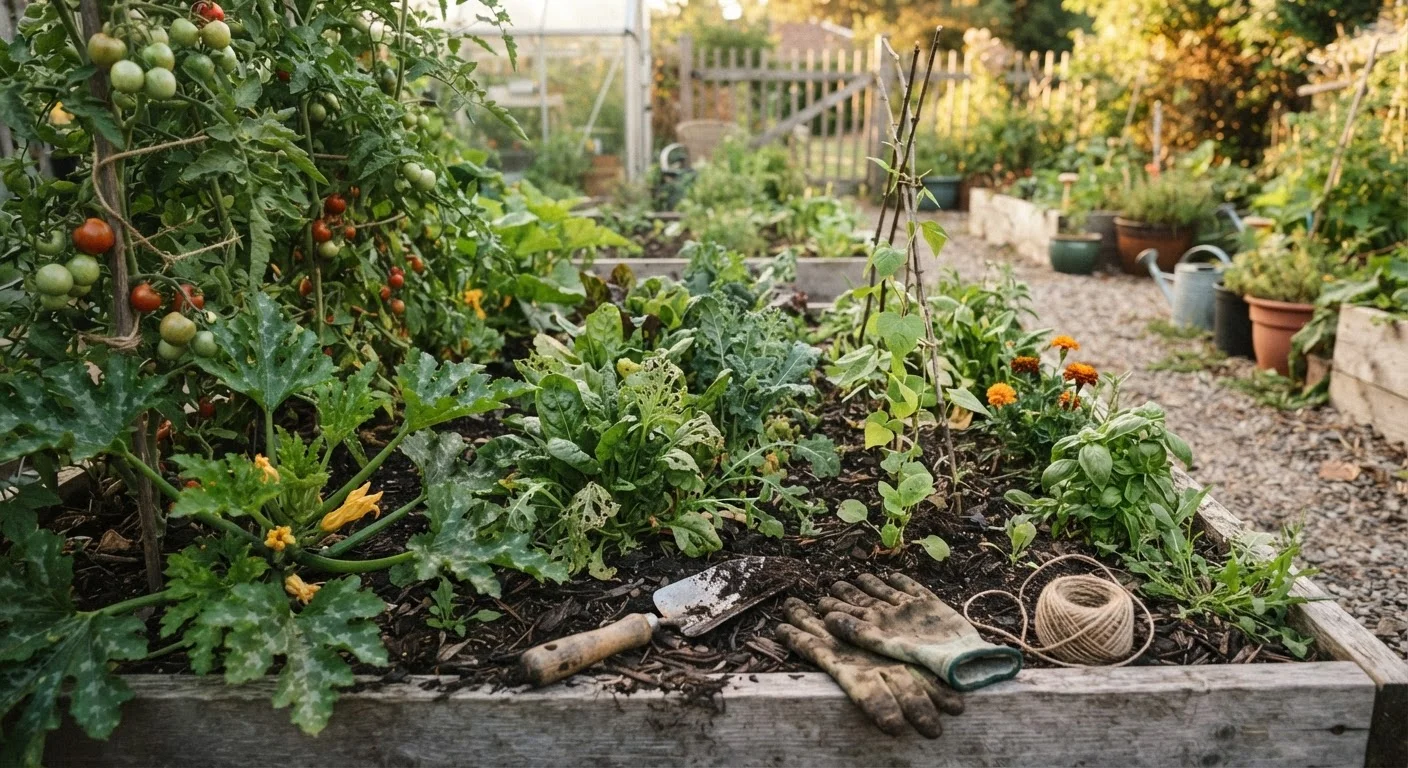
The Invisible Problem Under Your Feet
Many families invest real effort into their vegetable gardens — weekends of planting, daily watering, bags of fertilizer — and still end up with limp tomatoes, yellowing leaves, and harvests that disappoint. The frustrating truth is that the most common problems are rarely visible on the surface. They start in the soil.
Soil pH is the single most overlooked variable in home vegetable gardening. Most vegetables thrive in a slightly acidic to neutral range (roughly 6.0–7.0 on the pH scale). When the pH drifts outside that window, plants physically cannot absorb the nutrients already present in the soil — even if you've added fertilizer. Nitrogen, phosphorus, and key micronutrients become chemically locked out. The result looks like a nutrient deficiency, and homeowners respond by adding more fertilizer, which rarely helps and can make things worse.
A basic soil test — available through many local cooperative extension offices — gives you pH and nutrient readings for a modest cost. It removes the guesswork and tells you exactly what amendments, if any, your garden actually needs. If you're starting fresh, our first-season garden roadmap walks through how to prepare your plot properly before anything goes in the ground.
Skipping a soil test and guessing at amendments.
Why it happens: Soil testing feels like an extra step, and bags of general-purpose fertilizer seem like a simple solution. Most gardeners assume their soil is adequate until yields disappoint.
Watering on a fixed schedule rather than responding to soil moisture.
Why it happens: A daily routine feels responsible and easy to maintain. Gardeners often equate visible wilting with underwatering, when it's sometimes a sign of root damage from overwatering.
Planting too close together to maximize yield in a small space.
Why it happens: It feels logical to fill every inch of a raised bed. Seed packet spacing advice is often ignored because the seedlings look tiny and the space seems wasted early on.
Siting a vegetable garden in insufficient direct sunlight.
Why it happens: Homeowners often place gardens where they have open ground rather than where the light is best. Sunlight needs are underestimated, especially for fruiting crops.
Relying on myths rather than evidence-based practices.
Why it happens: Gardening advice passes down through families and online communities, mixing solid practice with long-standing folklore. It can be hard to distinguish fact from habit.
Watering, Spacing, and Sunlight: Three Mistakes That Compound Each Other
After soil health, the next cluster of problems tends to involve water, space, and light — three factors that interact closely and are easy to mismanage, especially in a first or second season.
~6.0–7.0
Ideal soil pH range for most vegetables
According to the USDA and cooperative extension guidelines, most vegetable crops achieve optimal nutrient uptake within this slightly acidic to neutral pH window.
6–8 hrs
Daily direct sun required by most fruiting vegetables
Cooperative extension services consistently cite this threshold for crops like tomatoes, peppers, squash, and cucumbers to produce adequate yields.
Watering mistakes are nearly universal. Overwatering is more damaging than most gardeners realize: saturated soil deprives roots of oxygen and creates conditions where fungal root rot thrives. Underwatering causes stress that affects fruit set and flavor. The fix isn't a strict schedule — it's learning to water based on soil moisture rather than the calendar. Push a finger two inches into the soil; if it's dry at that depth, water deeply and slowly. If it's still moist, wait. For a deeper look at evidence-based watering habits, see our guide on watering your garden well.
Overcrowding is another compounding error. Seed packets and transplant tags list spacing recommendations for a reason: crowded plants compete for light, water, and nutrients. They also trap humidity around leaves, making them far more susceptible to fungal diseases like powdery mildew. Thinning seedlings feels wasteful, but it's one of the most productive things you can do early in the season.
Finally, sunlight requirements are non-negotiable for most fruiting vegetables. Tomatoes, peppers, squash, and cucumbers need a minimum of six to eight hours of direct sun daily. Planting them in a spot that receives dappled or partial shade — even beautiful, dappled afternoon shade — reliably produces weak growth and poor fruit set. Before committing to a bed location, observe how sunlight moves across the space over a full day.
Don't Add Fertilizer Without Testing First
Applying fertilizer to soil that is already nutrient-sufficient — or has a pH problem — can create toxic salt buildup and worsen plant health rather than improve it. Excess nitrogen in particular produces lush leafy growth at the expense of flowers and fruit. Always diagnose before you treat.
If you're gardening in a smaller outdoor space, a container setup can actually help you optimize sun exposure by moving pots as needed. Our container gardening guide covers how to make that work without a large yard.
The content provided on our blog site traverses numerous categories, offering readers valuable and practical information. Readers can use the editorial team’s research and data to gain more insights into their topics of interest. However, they are requested not to treat the articles as conclusive. The website team cannot be held responsible for differences in data or inaccuracies found across other platforms. Please also note that the site might also miss out on various schemes and offers available that the readers may find more beneficial than the ones we cover.