

Summary
18 items · 30–60 minutes
Why Most Storage Purchases Backfire
Walk into any big-box store and the storage aisle is practically designed to trigger optimism. Matching bins, labeled baskets, color-coordinated drawer dividers — it all looks like the organized life you want. So you fill your cart, get home, and discover the bins are two inches too tall for your shelf, or that you're now storing clutter more neatly rather than actually reducing it.
This is one of the most common home organization myths that keep families stuck: that buying the right product will solve a process problem. Storage bins are a tool, not a solution. They work only after you've done the thinking — about what you own, what you actually need to keep, and where things genuinely belong.
This checklist walks you through that thinking before you spend a dollar. Run through it in order. It takes 30 to 60 minutes and could save you from a frustrating cycle of buying, returning, and reorganizing.
Shopping Before Decluttering Costs More
Buying storage for everything you currently own — including things you'll eventually get rid of — means spending money on bins you won't need. Complete the decluttering step first, then count what remains. The number of bins required often drops significantly once excess items are removed.
What You'll Need Before You Start
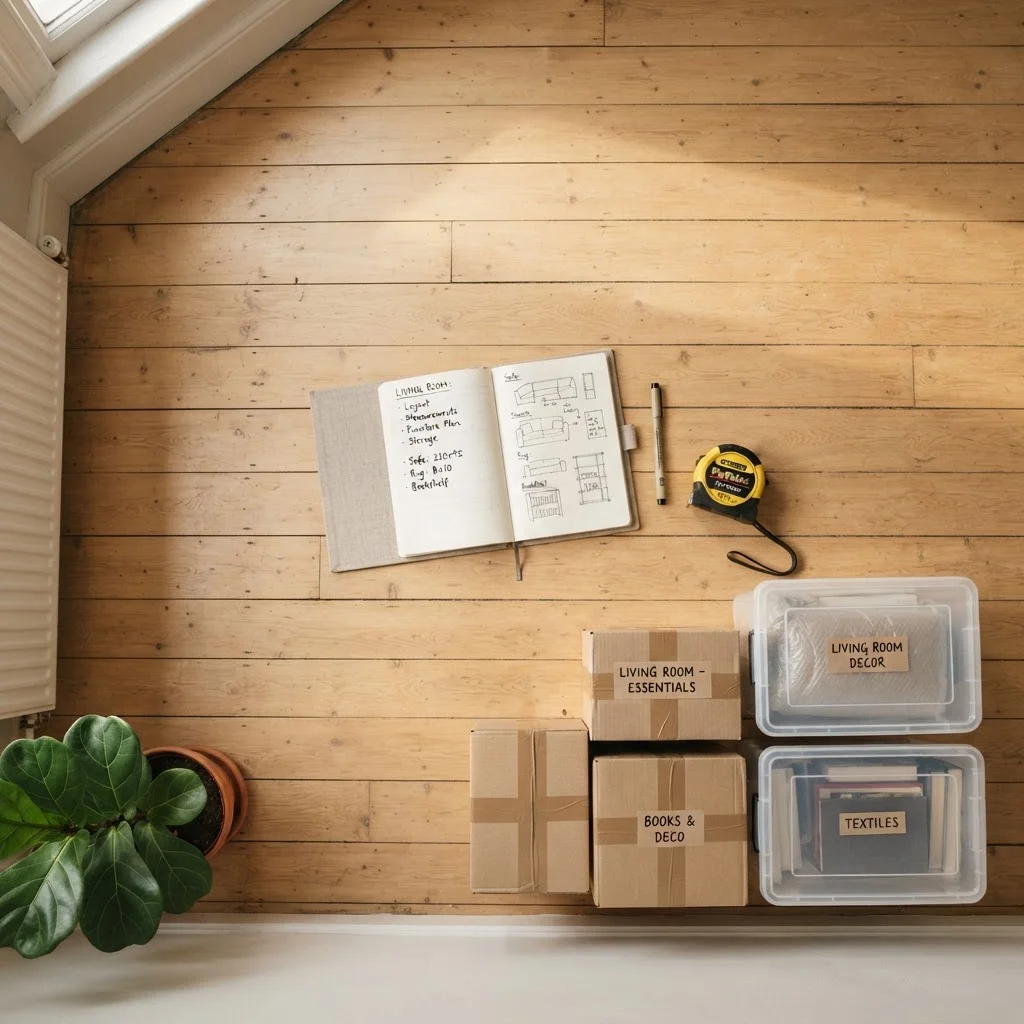
You don't need much to complete this checklist — just a few basic tools to take measurements, record your findings, and audit what you already have. Gather these before you begin.
Measuring tape
Take precise interior measurements of shelves, cabinets, and drawers where bins will be placed.
Notepad or phone notes app
Record all measurements and your categorized shopping list so you have them on hand when shopping.
Pen or marker
Label temporary groupings during the declutter phase to keep sorted items separate.
Donation bags or boxes
Collect items to donate or discard during the decluttering step before counting storage needs.
Smartphone camera
Photograph the space and existing containers so you can reference them while shopping in-store.
The Pre-Shopping Checklist
Work through each group in sequence. The early steps — especially decluttering — directly affect how many bins you'll actually need. Skipping ahead is the most common reason shoppers end up with the wrong quantity or wrong size.
If you have children at home, looping them into the decluttering phase can make the whole process easier to sustain. See our guide on decluttering with kids in the house for practical approaches that work for family households.
Declutter First
Measure Your Space
Define What Goes Inside
Check What You Already Own
Build Your Shopping List
Before You Checkout — Online or In-Store
Once you've completed the checklist and have a specific list of what you need, you're in a much stronger position to shop intentionally. But even at the point of purchase, a few final checks are worth making.
Hidden costs — restocking fees, shipping surcharges, or awkward return windows — can turn a seemingly affordable bin into an expensive mistake. Our pre-purchase checklist for avoiding hidden costs covers exactly what to look for before you commit.
And if storage is part of a broader room refresh or furniture investment, the family pre-buy checklist offers a structured set of questions to slow down and make sure the purchase genuinely fits your household's needs and budget.
Your Shopping List Should Be Specific
A vague list like "a few bins for the closet" is how families come home with the wrong sizes. Your list should include the maximum dimensions for each bin, the exact quantity needed, and what will go inside it. This specificity protects you from upselling and impulse additions that rarely solve the actual problem.
The content provided on our blog site traverses numerous categories, offering readers valuable and practical information. Readers can use the editorial team’s research and data to gain more insights into their topics of interest. However, they are requested not to treat the articles as conclusive. The website team cannot be held responsible for differences in data or inaccuracies found across other platforms. Please also note that the site might also miss out on various schemes and offers available that the readers may find more beneficial than the ones we cover.