

Our Verdict
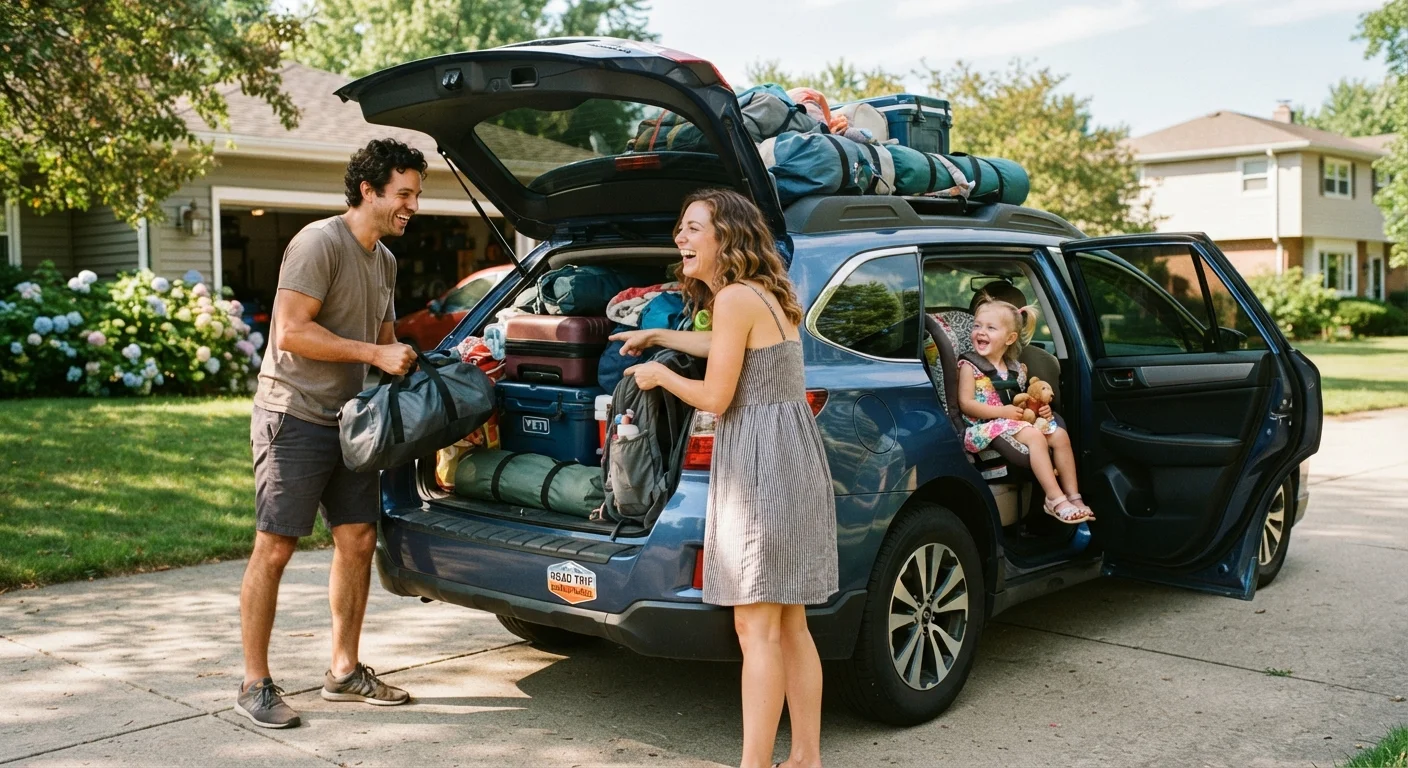
A road trip with a toddler is genuinely achievable — and can be rewarding — when families go in with honest expectations. The flexibility of driving your own vehicle and the cost savings over air travel are real advantages, but so are the challenges of limited daily mileage, unpredictable schedules, and keeping a small child comfortable for hours at a stretch. Success almost always comes down to planning routes in shorter segments, packing smart, and giving yourself permission to slow down.
Families with toddlers who value flexibility and cost control, are comfortable with slower travel pacing, and are willing to do the upfront planning work to make long drives manageable.
Why Families Consider Road Trips With Toddlers
Flying with a toddler is expensive, logistically intense, and leaves little room for meltdowns at 30,000 feet. Road trips, by contrast, keep your family in control of the pace, the playlist, and the snack bag. It's easy to see the appeal — but the reality deserves a clear-eyed look before you commit to a multi-day drive with a two-year-old in tow.
Whether you're weighing a weekend getaway or a cross-country adventure, the honest tradeoffs below will help you make a smarter call. For a broader look at destination types that work well for families, see our guide on city versus nature trips.
No airline ticket costs for toddlers under two
Children under age two typically fly free as lap infants on domestic U.S. flights, but once past that milestone, full seat costs apply. Driving sidesteps airfare for the entire family, often making the trip substantially more affordable.
Complete control over pace and schedule
You decide when to stop, how long to linger, and what routes to take. This flexibility is genuinely valuable when traveling with a toddler whose needs can shift without warning.
No TSA lines or gate-side meltdowns
Airport logistics with a toddler — car seats, strollers, security screenings, boarding — add layers of stress that road trips entirely eliminate. You leave from home on your own timeline.
Bring everything you actually need
Luggage limits don't apply in your own vehicle. You can pack the full-sized stroller, the preferred sleep environment, extra snacks, and comfort items without fees or size restrictions.
Stops can become mini-adventures
Rest stops, roadside parks, and small-town diners can be genuine highlights for a toddler who finds novelty in nearly everything. The journey becomes part of the experience.
The Real Challenges You Should Anticipate
No amount of car-friendly toys or downloaded episodes fully eliminates the difficulty of keeping a toddler content in a confined space for hours. Toddlers developmentally struggle with delayed gratification and limited movement — both of which road trips demand constantly.
Toddlers have a hard cap on sitting tolerance
Most toddlers max out at 60–90 minutes of calm car time before needing a physical break. On a 400-mile day, this means many stops and significantly longer total travel time than the map suggests.
Nap and sleep disruption is nearly inevitable
Car sleep is lighter and less restorative than crib sleep for most toddlers. Disrupted naps often mean overtired, harder-to-manage evenings — which affects the whole family's experience.
Snack and meal logistics multiply quickly
Toddlers eat frequently, have strong preferences, and can't always wait for the next town's restaurant. Packing adequate food and managing spills in a moving vehicle adds real planning overhead.
Illness risk and limited medical access on remote routes
Toddlers get sick unpredictably, and rural road trip routes may be hours from urgent care. It's worth researching pediatric healthcare access along your planned route before departing.
Driver fatigue is a compounded risk
Managing a fussy toddler in the back seat while driving is distracting. Parents should plan for co-pilot support and avoid pushing long daily mileage — see safe driving resources for practical fatigue management strategies.
Safety is also a foundational concern. Before your first mile, make sure your child's car seat is installed correctly and appropriate for their age and weight. Even small installation errors can reduce effectiveness significantly. Our child passenger safety guide covers the most common setup mistakes parents make and how to avoid them.
Route and Packing Strategies That Actually Help
The families who enjoy road trips with toddlers most are usually the ones who treated logistics as seriously as the destination itself. A few principles consistently make a difference:
- Cap daily driving at 4–5 hours maximum. Splitting a long drive across two days with an overnight stop is almost always worth it.
- Schedule stops proactively. Plan rest breaks every 90 minutes near playgrounds, rest areas with open grass, or family-friendly points of interest — don't just stop when someone melts down.
- Pack a dedicated toddler activity bag with rotating items: board books, stickers, window clings, and small fidget toys. Novelty keeps attention longer than a single favorite toy.
- Time long stretches around nap windows. Many families find driving during early afternoon nap time significantly reduces in-car fussiness.
- Pre-load entertainment before you leave home — streaming doesn't work in dead zones, and many rural routes have unreliable signal.
A Note on Car Seat Safety
Before any road trip with a toddler, confirm your car seat is installed correctly and rated for your child's current height and weight. Many local fire stations and certified child passenger safety technicians (CPSTs) offer free inspection appointments. Requirements vary by state, so verify the rules for any state you'll be driving through. This is one area where it always pays to double-check with an official source rather than assume.
For help structuring your overall trip in a way toddlers can actually enjoy, building a family itinerary kids won't dread offers a practical walkthrough on pacing and downtime.
~60 min
Average toddler car tolerance before a break is needed
Pediatric travel experts and child development guidance generally suggest stopping every 60–90 minutes when driving with children under age three.
4–5 hrs
Recommended maximum daily driving with toddlers
Family travel planners widely advise capping total in-car time at 4–5 hours per day to reduce toddler overstimulation and maintain manageable energy for parents.
Is a Toddler Road Trip Right for Your Family?
Every family's tolerance for chaos, flexibility of schedule, and travel goals are different. A road trip with a toddler costs less than flying and builds in the kind of unhurried exploration that young children often thrive in — but it's not the right move for every situation or every kid.
If your toddler is especially sleep-sensitive, has medical needs requiring routine, or your destination is genuinely far and time-constrained, other travel modes may serve your family better. How travel costs and needs shift by age is a useful companion read as you think through whether this is the right season for a longer drive.
If you're newer to family travel generally, what to expect on your first family road trip walks through every stage of the journey in approachable detail. And watch out for the common assumptions that tend to trip families up — road trip myths that can derail your drive is worth a read before you finalize any plans.
The content provided on our blog site traverses numerous categories, offering readers valuable and practical information. Readers can use the editorial team’s research and data to gain more insights into their topics of interest. However, they are requested not to treat the articles as conclusive. The website team cannot be held responsible for differences in data or inaccuracies found across other platforms. Please also note that the site might also miss out on various schemes and offers available that the readers may find more beneficial than the ones we cover.