

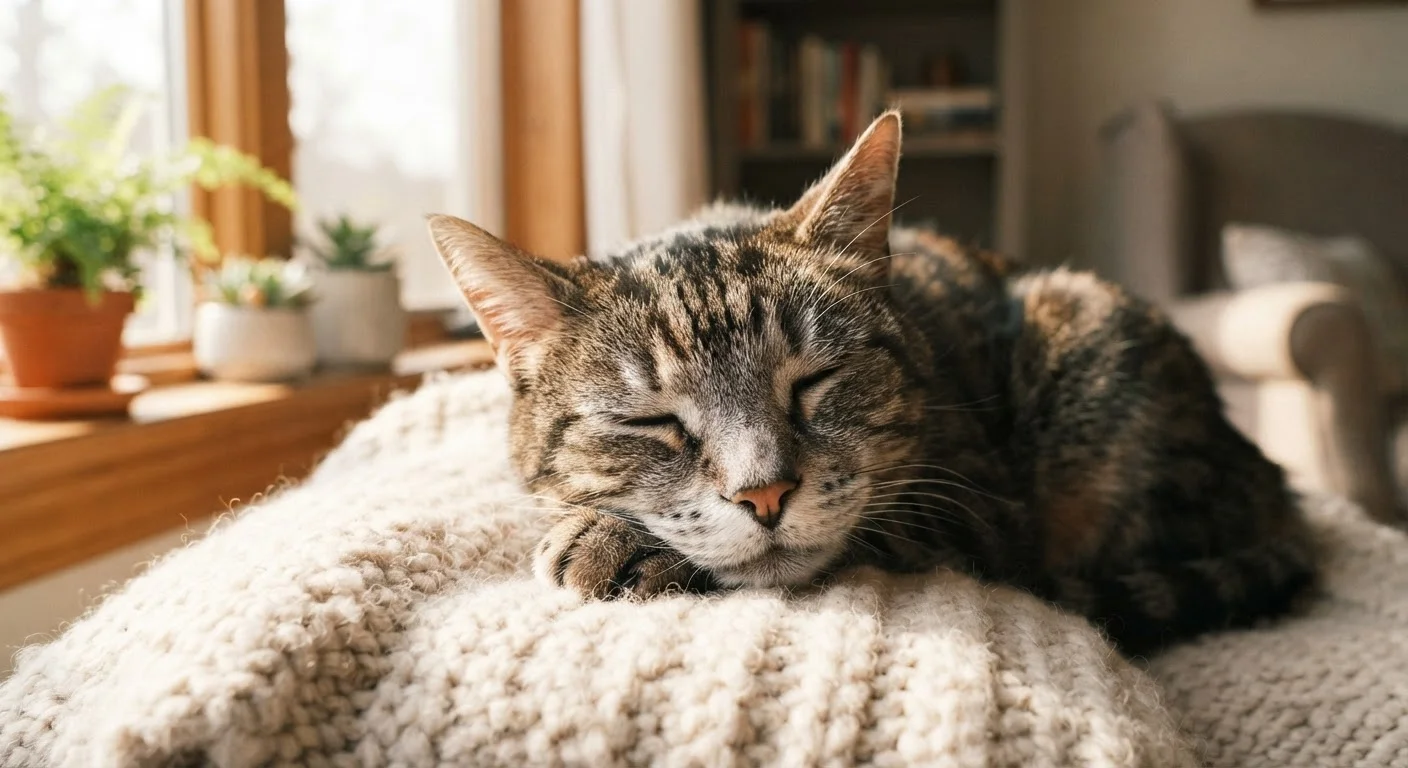
Understanding the Senior Cat Life Stage
Most veterinary professionals consider cats to be senior around age ten, and geriatric (meaning very old, with more significant age-related changes) around age fifteen. That's a meaningful distinction because a ten-year-old cat may still seem spry and energetic — yet internal changes are already underway that deserve attention.
The equivalent human age for a ten-year-old cat is roughly 56 years. By the time a cat reaches fourteen or fifteen, that comparison edges past 70. Just as aging humans need adjusted healthcare, so do aging cats — even when they don't look or act dramatically different on the surface.
Knowing your cat is in a senior life stage is the starting point for smarter, more proactive care. The sections below walk through the specific areas where needs commonly shift.
Nutrition: What Changes and Why
Older cats can struggle to digest and absorb protein as efficiently as younger cats, which means they may actually need more high-quality, easily digestible protein — not less. At the same time, some senior cats with kidney concerns may benefit from phosphorus-moderated diets. This is one reason a one-size-fits-all approach doesn't work well: your vet's guidance on diet should be based on your individual cat's lab results.
Common nutritional considerations for cats over ten include:
- Hydration: Older cats are prone to chronic kidney disease and dehydration. Wet food or a pet water fountain can meaningfully increase daily fluid intake.
- Caloric needs: Some senior cats lose weight and need calorie-dense food; others become less active and gain weight. Monitor body condition rather than relying on age alone.
- Dental health and food texture: Dental disease is common in older cats and can make eating dry kibble uncomfortable. Wet food or softened kibble may ease mealtime.
Ask your vet to show you how to assess your cat's body condition score (BCS) at home. Checking every two to four weeks helps you catch weight loss or gain before it becomes a health issue.
Weight change in senior cats is one of the earliest indicators of conditions like hyperthyroidism or kidney disease, and consistent home monitoring fills the gap between vet visits.
When introducing a ramp or steps for an arthritic cat, rub them briefly with a familiar blanket or your cat's bedding. Scent familiarity dramatically speeds up acceptance.
Cats rely heavily on scent to assess safety. A new object smells unfamiliar and may be avoided for days or weeks without this simple conditioning step.
Always transition to a new food gradually — over seven to ten days — to avoid digestive upset, which older cats can find harder to recover from.
Vet Care: Why Twice-Yearly Visits Matter
For cats under seven, annual vet exams are typically sufficient. For cats over ten, most veterinary organizations recommend visits every six months. The reason is straightforward: conditions like hyperthyroidism, kidney disease, diabetes, and hypertension are far more common in senior cats, and they can progress quickly. Catching them early dramatically expands treatment options.
Don't Skip the Senior Blood Panel
Routine lab work is the single most effective tool for catching age-related diseases in cats before visible symptoms appear. Conditions like hyperthyroidism and chronic kidney disease are manageable when detected early but can progress rapidly if left unmonitored. Ask your vet to run a full senior panel — including thyroid levels — at each biannual visit.
A typical senior wellness visit includes a physical exam, blood panel, urinalysis, and blood pressure measurement. These baselines help your vet detect subtle shifts before symptoms become obvious at home.
Between visits, knowing what to watch for matters just as much. Learn to recognize subtle warning signs — including changes in appetite, thirst, litter box habits, or social behavior — so you can contact your vet promptly rather than waiting for the next scheduled appointment.
Mobility, Comfort, and the Home Environment
Arthritis is underdiagnosed in cats because they tend to hide discomfort. Signs are often subtle: reluctance to jump, stiffness after rest, or avoiding furniture they used to love. A few practical home changes can make a meaningful difference.
- Litter boxes: Switch to boxes with low or cut-down sides so an arthritic cat doesn't have to climb to get in. Place one on every floor of the home.
- Ramps and steps: Gentle ramps to the sofa or bed let cats continue doing what they love without painful leaping.
- Warm resting spots: Older cats feel cold more easily and benefit from a heated pet bed or a cozy spot near a heat source (away from direct contact with anything hot).
- Food and water placement: Bowls at a slight elevation reduce neck strain, which matters more as cats age.
Try a Low-Sided Litter Box First
Before buying specialty products, try cutting a U-shaped entry into one side of a standard storage bin. This creates a low-entry litter box that's also deep enough to contain litter. It's an inexpensive, easy-to-clean option that many arthritic cats take to immediately.
Play, Enrichment, and Mental Health
A slower cat is not a cat who wants to stop engaging. Senior cats benefit enormously from mental stimulation and gentle physical activity — short, low-impact sessions suit them better than high-energy chasing. Feather wands moved slowly, puzzle feeders, and window perches where birds or squirrels can be watched all keep the mind active without overtaxing aging joints.
For more ideas tailored to indoor cats, explore enrichment strategies that fight boredom and keep older cats genuinely engaged day to day.
~30%
Senior cats affected by arthritis
Studies suggest approximately 30% of cats over eight years show some signs of degenerative joint disease, with rates rising significantly after age twelve.
1 in 3
Older cats develop kidney disease
Chronic kidney disease (CKD) is one of the most common conditions in cats over ten, underscoring the importance of regular bloodwork and urinalysis.
Social connection matters too. Many senior cats become more affectionate and lap-oriented as they age — lean into that. Quiet time together is enrichment in itself.
Grooming and Skin Changes in Older Cats
Senior cats often groom themselves less thoroughly, especially in areas that are hard to reach when joints ache. You may notice matting, dullness, or flakiness that wasn't there before. Regular brushing not only keeps the coat healthy but also gives you a chance to check for lumps, skin changes, or sore spots.
Nails also grow differently in older cats — thicker and sometimes more brittle — and may need trimming more frequently to prevent overgrowth or curling into the paw pad. For guidance on brushing techniques and nail care by coat type and temperament, this grooming overview is a practical starting point.
“Cats are masters at hiding pain. By the time an owner notices something is wrong, the condition may have been developing for months. Regular hands-on exams — both at the vet and at home — are the best tools we have for catching problems early.”
— Dr. Susan Little, Feline medicine specialist and past president of the Winn Feline Foundation
When to Talk to Your Vet About Quality of Life
As cats enter their mid-to-late teens, families sometimes face hard conversations about comfort and quality of life. These conversations are best started before a crisis, not during one. Ask your vet about what signs suggest your cat is comfortable versus struggling, and what palliative care options exist if a chronic condition progresses.
Quality-of-life frameworks used by veterinarians often consider factors like: Is the cat eating? Is pain controlled? Does the cat still seek connection and show interest in surroundings? There are no universal answers, but having an honest, ongoing dialogue with your vet helps families make decisions grounded in compassion rather than fear.
Caring for a senior cat is one of the most meaningful things a family can do for an animal that has given years of companionship. With attentive adjustments to nutrition, environment, and veterinary care, many cats thrive well into their late teens.
This article is for general informational purposes only and is not a substitute for professional veterinary advice. Always consult a licensed veterinarian for guidance specific to your cat's health and needs.
The content provided on our blog site traverses numerous categories, offering readers valuable and practical information. Readers can use the editorial team’s research and data to gain more insights into their topics of interest. However, they are requested not to treat the articles as conclusive. The website team cannot be held responsible for differences in data or inaccuracies found across other platforms. Please also note that the site might also miss out on various schemes and offers available that the readers may find more beneficial than the ones we cover.