

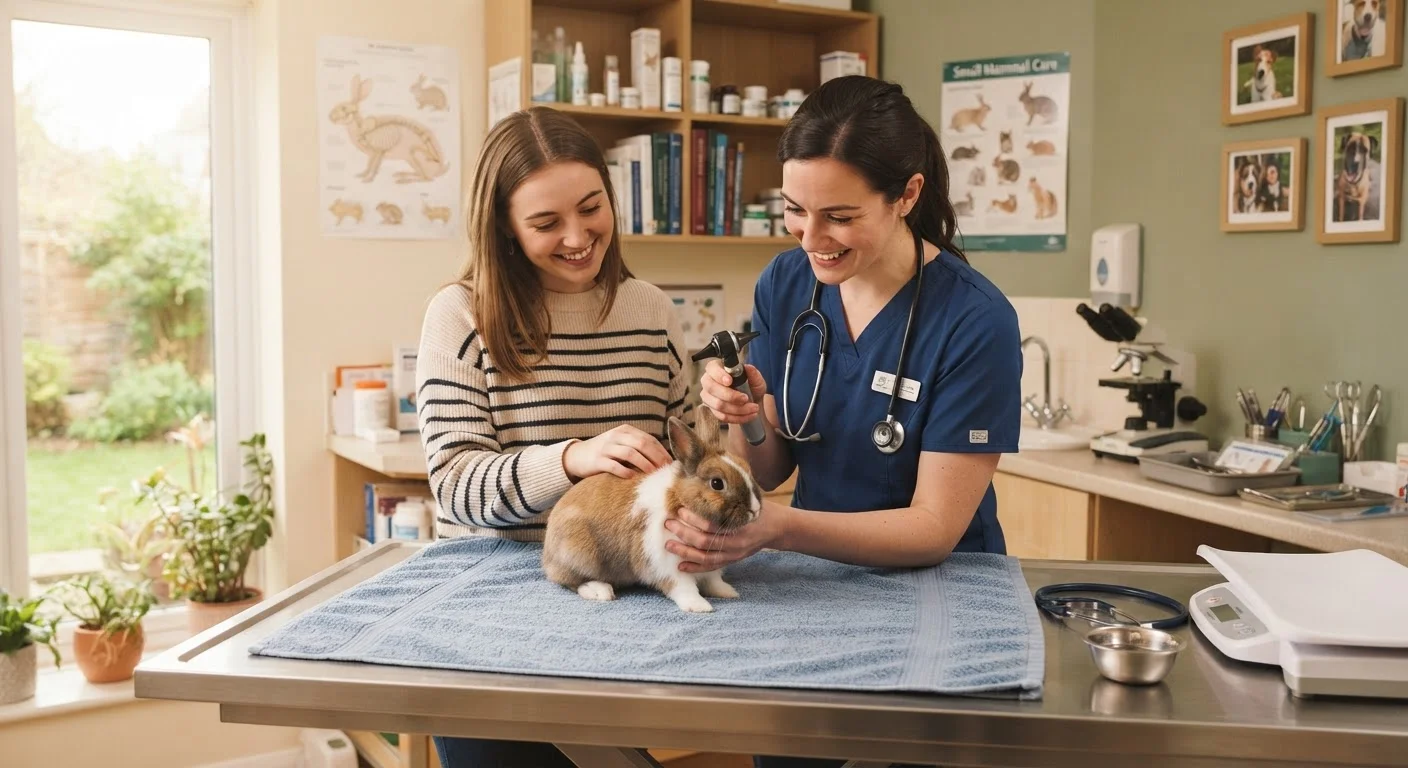
Why Small Pet Vet Care Is Different
Families who choose rabbits, guinea pigs, birds, or fish often assume these animals need little professional medical attention. The reality is more nuanced. Small pets are prey animals by instinct, which means they are wired to hide signs of illness until a condition is quite advanced. That biological tendency makes proactive, scheduled veterinary care especially valuable — and it's one reason the "wait and see" approach that some owners apply to cats or dogs can be particularly risky with small species.
Beyond masking illness, small pets also age faster than dogs and cats, so health changes can appear quickly. A guinea pig, for example, has a typical lifespan of five to seven years, meaning an annual exam covers a proportionally larger slice of its life than the same visit does for a ten-year-old Labrador. If your family is still weighing which small animal fits your home, our guide on matching a small pet to your family's lifestyle offers a useful starting point.
Recommended Wellness Schedules by Species
There is no single universal schedule for small pet vet care. Frequency depends on the species, the animal's age, and whether it has known health concerns. The guidance below reflects general recommendations from veterinary and exotic animal medicine communities — always confirm specifics with a veterinarian who has experience treating your pet's species.
Rabbits
Most exotic-animal veterinarians recommend an annual wellness exam for healthy adult rabbits. Because rabbits are highly susceptible to dental problems and gastrointestinal stasis, even a routine visit typically includes a check of teeth alignment and gut motility. Rabbits over four or five years old may benefit from twice-yearly exams, as the risk of dental disease, uterine cancer (in unspayed females), and kidney issues rises with age.
Guinea Pigs
Annual exams are a reasonable baseline for guinea pigs. Vitamin C deficiency (scurvy) and dental malocclusion are common concerns, so veterinarians often pay close attention to these areas. Like rabbits, guinea pigs older than three years are considered senior and may warrant more frequent monitoring. For a side-by-side comparison of guinea pig versus hamster care demands, see our article on guinea pigs vs. hamsters.
Birds (Parrots, Cockatiels, Budgies)
Companion birds should receive a baseline wellness exam when first acquired, then annually thereafter. Avian veterinarians typically recommend a physical exam combined with basic blood work and sometimes a fecal screen. Larger parrots, which can live decades, may need more comprehensive senior panels as they age. Finding an avian-certified or exotic-animal vet in your area before you bring a bird home is strongly advisable.
Fish
Fish veterinary medicine is a specialized field, and not every practice offers it. For most family fish keepers, the greater emphasis falls on water-quality monitoring and early visual observation rather than scheduled clinic visits. However, aquatic veterinarians do exist and can be consulted when disease outbreaks, unusual behavior, or persistent losses occur in a tank. Proactive water testing — ammonia, nitrite, nitrate, and pH — remains the primary health-management tool for fish.
Exotic-animal veterinarian
A veterinarian who specializes in species other than dogs and cats, including rabbits, birds, reptiles, and small mammals. Not all general practices offer this expertise, so it is worth confirming a clinic's experience before booking.
Prey animal instinct
The biological tendency of animals that are hunted in the wild to conceal signs of weakness or illness. This makes early symptom detection by owners especially important for species like rabbits and guinea pigs.
Gastrointestinal stasis
A condition in rabbits and some other small mammals where the digestive system slows or stops moving. It is a medical emergency that requires prompt veterinary attention.
Dental malocclusion
Misalignment of teeth that prevents normal wear and can lead to pain, difficulty eating, and secondary health problems. Common in rabbits and guinea pigs, and typically caught during routine exams.
Signs That Warrant an Unscheduled Visit
Scheduled wellness visits are only part of the picture. Because small pets mask illness, knowing the warning signs that call for an immediate appointment can be lifesaving. While this is not an exhaustive list and should not replace veterinary judgment, the following changes in any small pet generally warrant prompt attention:
- Sudden changes in eating, drinking, or weight
- Labored or noisy breathing
- Discharge from the eyes, nose, or mouth
- Diarrhea lasting more than 24 hours, or absence of droppings
- Loss of balance, head tilting, or seizure-like behavior
- Swelling, lumps, or wounds that do not resolve quickly
- Lethargy or unresponsiveness that is out of character
Owners of cats will recognize a similar philosophy of watchful monitoring between appointments — a principle explored in our article on signs your cat may be sick. The same attentiveness applies to small pets, perhaps even more so.
Finding the Right Veterinarian Matters
Not every veterinary practice is equipped to treat rabbits, birds, guinea pigs, or fish. Before bringing a small pet home, search for a veterinarian in your area with documented experience in exotic or small-mammal medicine. Specialty directories maintained by organizations like the Association of Exotic Mammal Veterinarians can help. Our family readiness checklist includes finding a vet as a key step before your new pet arrives.
This article provides general educational information about small pet wellness care. It is not a substitute for professional veterinary advice. Always consult a licensed veterinarian experienced with your specific species for guidance tailored to your pet's individual needs.
The content provided on our blog site traverses numerous categories, offering readers valuable and practical information. Readers can use the editorial team’s research and data to gain more insights into their topics of interest. However, they are requested not to treat the articles as conclusive. The website team cannot be held responsible for differences in data or inaccuracies found across other platforms. Please also note that the site might also miss out on various schemes and offers available that the readers may find more beneficial than the ones we cover.