

Our Verdict
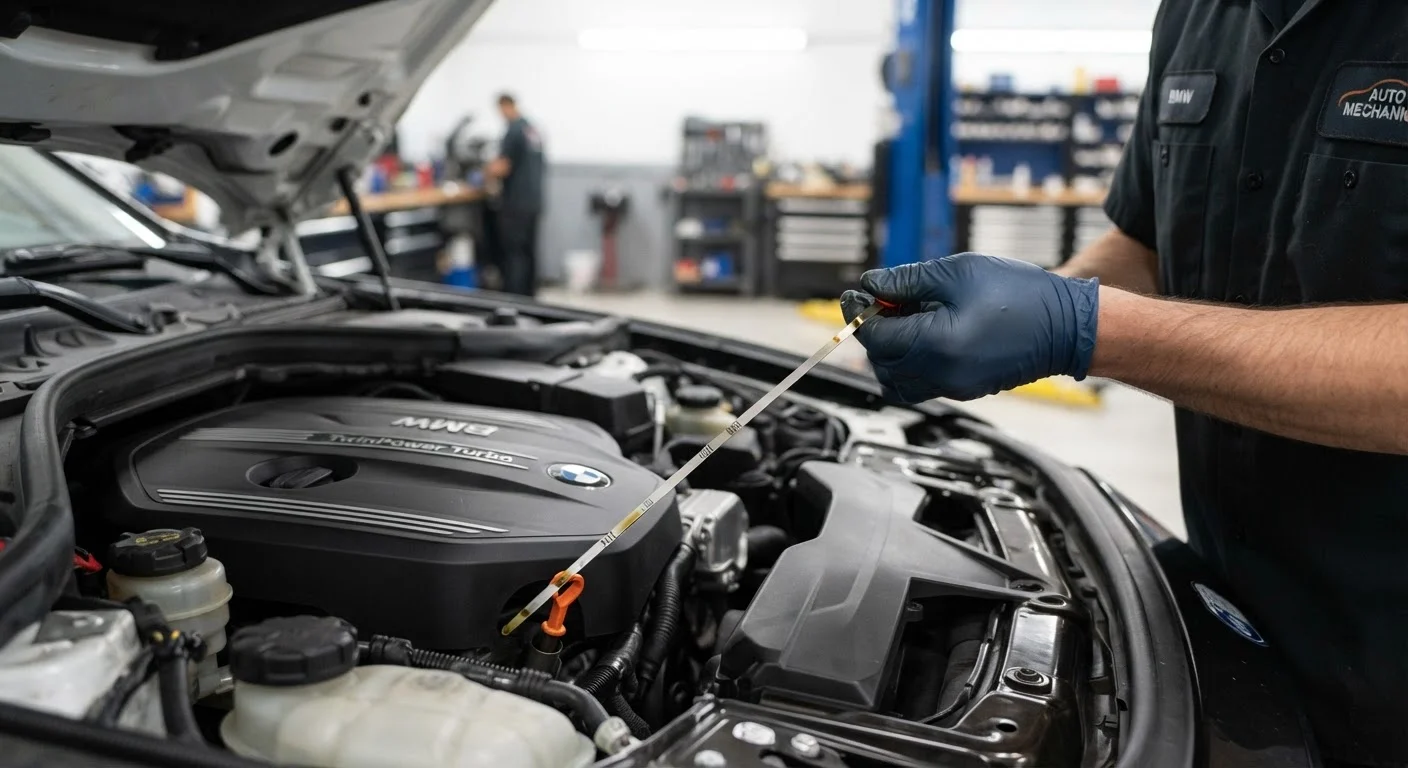
Extended oil change intervals are genuinely safe and cost-effective for drivers using full synthetic oil in modern vehicles under normal driving conditions. The key is grounding your decision in what your owner's manual and oil life monitor actually say - not habit or marketing. If your driving involves frequent short trips, heavy loads, or extreme temperatures, a shorter interval remains the wiser choice.
Drivers of newer vehicles using full synthetic oil who follow manufacturer guidance and drive primarily on highways or mixed suburban routes.
Why the Old 3,000-Mile Rule No Longer Applies
For decades, the 3,000-mile oil change was automotive gospel. It made reasonable sense when conventional mineral-based oils were standard and engines had tighter tolerances that generated more contaminants. Today, that number is largely a relic - and continuing to follow it is costing many families money they don't need to spend.
Full synthetic oil, which most new vehicles now require or recommend, is engineered to resist breakdown far longer than conventional oil. It maintains viscosity (its resistance to flow) across a wider temperature range and holds contaminants in suspension more effectively. As a result, automakers have been steadily extending their recommended oil change intervals. Many now specify 5,000 to 7,500 miles, and some turbocharged or performance engines using full synthetic can go up to 10,000 miles between changes.
The 3,000-mile rule is one of the most persistent car care myths still circulating today - often kept alive by businesses that profit from frequent oil changes. Understanding what's actually changed helps families make informed, rather than habitual, decisions.
The Case For Extending Your Oil Change Interval
There are real, evidence-backed reasons to trust longer intervals - when conditions are right.
Saves money on service visits over time
Fewer oil changes per year directly reduces both parts and labor costs. A family driving 12,000 miles annually on a 7,500-mile interval pays for roughly 1-2 changes instead of 4.
Synthetic oil genuinely lasts longer
Full synthetic oil is chemically engineered for stability and longevity, resisting oxidation and breakdown more effectively than conventional oil - supporting longer safe intervals.
Less environmental waste from used oil
Every oil change produces used oil and a spent filter that must be disposed of responsibly. Fewer changes mean less waste generated per vehicle each year.
Oil life monitors provide real-time guidance
Many vehicles manufactured after 2010 include oil life monitoring systems that account for actual driving conditions, making interval decisions more precise than any fixed mileage rule.
Manufacturer warranties support longer intervals
Following the manufacturer's specified extended interval does not void your warranty - in fact, it's the recommended maintenance schedule the warranty is designed around.
5,000-10,000 mi
Typical modern synthetic oil change interval
Most major automakers specify this range for full synthetic oil under normal driving conditions, per their published owner's manuals.
~$30-$75
Average cost per synthetic oil change
General industry pricing estimates; actual cost varies by region, vehicle, and service provider.
Modern vehicles increasingly come equipped with oil life monitoring systems that use algorithms - factoring in engine temperature cycles, RPM data, and trip length - to estimate how much useful life the oil has remaining. These systems are generally more accurate than any fixed mileage rule, and they exist precisely because blanket intervals don't reflect how differently people actually drive.
The Case Against Going Too Long Between Changes
Extended intervals are not a universal green light. Several real-world factors can cause oil to degrade faster than the manufacturer's standard recommendation assumes.
Short trips degrade oil faster than mileage suggests
Engines that never fully warm up - common in urban and suburban family driving - accumulate moisture and combustion byproducts in the oil more quickly, shortening its effective life regardless of mileage.
Towing and hauling accelerate oil breakdown
Carrying heavy loads raises engine temperature and stress, causing oil to oxidize faster. Families who regularly tow trailers or carry cargo should treat their interval as a severe-service case.
Older or high-mileage engines may need more frequent changes
Engines with significant wear can allow more combustion gases past the pistons (called blow-by), contaminating the oil faster than a newer engine would under the same conditions.
Neglecting checks between changes risks damage
Stretching intervals without periodically checking the oil level can allow an engine running low on oil to sustain serious wear - a risk that increases with each additional thousand miles.
Some older vehicles aren't designed for extended intervals
Vehicles older than roughly 15 years may have been engineered around conventional oil and tighter service schedules; applying modern extended-interval logic to them without checking the manual can be problematic.
What Counts as 'Severe' Driving?
Manufacturer maintenance schedules typically define two categories: normal and severe service. Severe service includes frequent short trips (under 5 miles), stop-and-go traffic, towing, trailer hauling, off-road use, and operation in extreme temperatures. If your daily driving matches any of these descriptions, use the severe-service interval in your owner's manual - which is usually significantly shorter than the standard recommendation.
It's also worth noting that skipping or stretching oil changes is one of the most common routine maintenance steps that end up costing families far more in the long run. Engine wear caused by degraded oil is cumulative and often invisible until it becomes expensive.
To understand the mechanical consequences in detail, see what happens inside your engine when maintenance is overdue.
How to Find the Right Interval for Your Vehicle
The single most reliable source is your owner's manual. It specifies the oil type, viscosity rating (such as 5W-30), and the recommended change interval for both normal and severe driving conditions. If your vehicle has an oil life monitor, that reading should take priority over a fixed mileage figure.
Severe driving conditions - as defined by most manufacturers - include: frequent trips under five miles, stop-and-go city driving, towing or hauling heavy loads, driving in extreme cold or heat, and extended idling. If any of these apply to your daily routine, treat your interval as closer to the severe-service recommendation, which is often half the normal interval.
If you're weighing the long-term financial picture of keeping your current vehicle, the decision between holding on to a high-mileage car or trading it in is directly affected by how well you've maintained the engine. Consistent, correctly-timed oil changes are one of the clearest signals of a well-cared-for vehicle.
The content provided on our blog site traverses numerous categories, offering readers valuable and practical information. Readers can use the editorial team’s research and data to gain more insights into their topics of interest. However, they are requested not to treat the articles as conclusive. The website team cannot be held responsible for differences in data or inaccuracies found across other platforms. Please also note that the site might also miss out on various schemes and offers available that the readers may find more beneficial than the ones we cover.