Why Insurance Costs Vary So Much from Family to Family
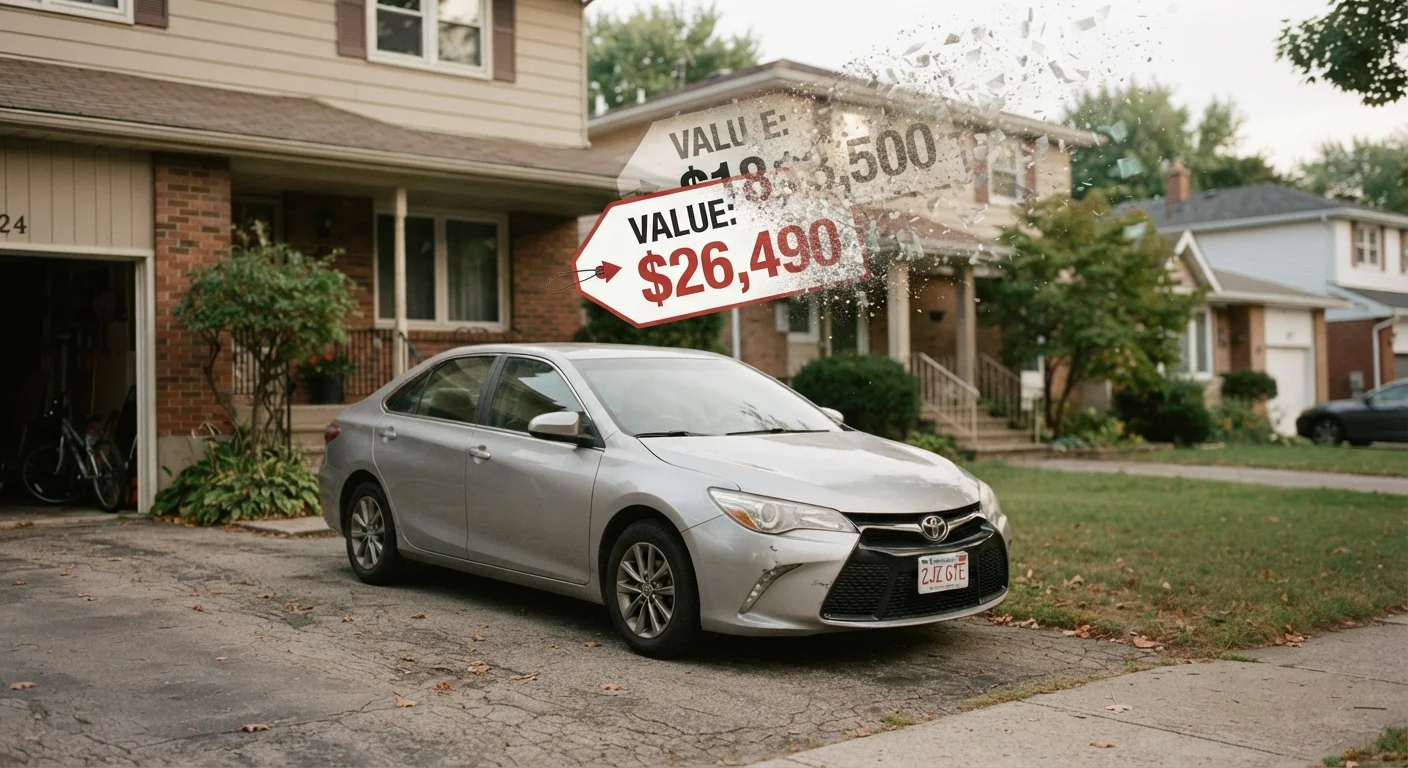
Two neighbors with nearly identical vehicles can pay very different amounts for auto insurance. That gap isn't random. Insurers assess dozens of variables to estimate the probability that a given driver will file a claim, and then price coverage accordingly. Understanding those variables gives families a clearer picture of their total car ownership costs - and a better starting point for managing them.
Auto insurance is one of the expenses covered in our broader look at the true cost of owning a family car, and it's often the line item that surprises people most when budgets are tight.
$2,000+
Average annual U.S. auto insurance premium
According to the National Association of Insurance Commissioners, average annual premiums have risen consistently over recent years, driven by higher vehicle repair and medical costs.
50-100%
Typical premium increase when adding a teen driver
Industry analyses consistently show that adding a teenage driver to a family policy substantially raises the household's total premium, reflecting higher statistical crash rates for young drivers.
3-5 years
How long a moving violation can affect your rate
Most U.S. insurers look back three to five years on your driving record when calculating your premium, meaning a single at-fault accident can affect costs for years.
Driver-Related Factors That Influence Your Rate
Your personal history behind the wheel carries significant weight in how insurers price your policy.
- Driving record: At-fault accidents, speeding tickets, and serious violations like DUIs raise your perceived risk and therefore your premium. Many infractions affect rates for three to five years, depending on the state and the insurer.
- Age and experience: Teen and young adult drivers statistically have higher crash rates, making them expensive to add to a policy. Rates generally improve as drivers accumulate clean years on the road. Older drivers may also see increases past certain ages.
- Annual mileage: Drivers who log more miles per year have more exposure to potential accidents. Low-mileage drivers sometimes qualify for usage-based or pay-per-mile programs that can reduce costs.
- Credit-based insurance score: In states where it's permitted, insurers may use a version of your credit information as a risk factor. This is separate from your standard credit score but is influenced by similar underlying data.
Review Your Policy Before Each Renewal
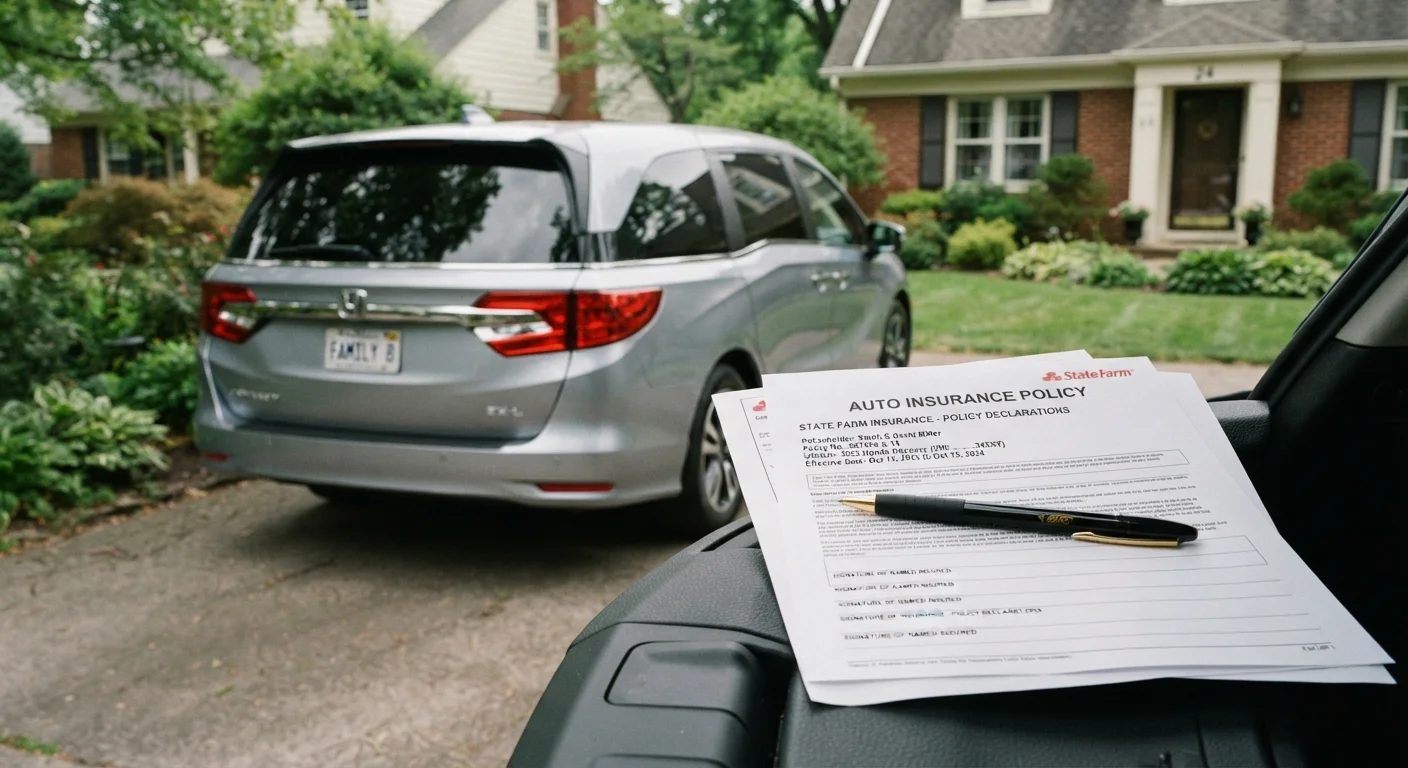
Life changes - a teen earns their license, you pay off your car loan, or your annual mileage drops after a job change - can all affect what coverage makes sense and what discounts you may qualify for. Taking 15 minutes to review your policy details before auto-renewing is one of the simplest ways to avoid overpaying.
Vehicle and Location Variables
Even before a driver gets behind the wheel, the car itself and where it's garaged affect the premium calculation.
- Vehicle make, model, and age: A newer vehicle with a high MSRP costs more to repair or replace, so comprehensive and collision coverage on it costs more. Vehicles with strong safety ratings and lower theft rates may receive more favorable pricing.
- Safety and anti-theft features: Automatic emergency braking, lane-departure warnings, and factory-installed anti-theft systems can work in your favor. Ask your insurer which features they recognize as discounting factors.
- ZIP code: Insurers analyze local data on accident frequency, theft rates, weather events, and even population density when setting rates. Moving from a rural area to a dense urban ZIP code can meaningfully change what you pay - even with the same car and driver record.
These hidden variables are a good reminder to review your hidden car ownership expenses whenever your household situation changes.
Coverage Choices That Put the Cost in Your Hands
While some rating factors are outside your control, the coverage decisions you make have a direct impact on your premium.
- Coverage types and limits: Liability-only policies are the least expensive but leave your own vehicle unprotected after an at-fault accident. Adding collision and comprehensive coverage raises the premium but reduces out-of-pocket exposure.
- Deductible level: Opting for a higher deductible - say, $1,000 instead of $500 - typically lowers the premium. Be realistic about what you could pay out of pocket in a claims scenario before raising your deductible.
- Bundling and discounts: Many insurers offer reduced rates when you bundle auto with homeowners or renters insurance, or when drivers complete approved safety courses. Discounts vary by carrier and state, so it's worth asking specifically what's available.
Families working to trim overall transportation spending may find additional strategies in our guide to reducing what you spend on your car without sacrificing safety.
State Rules Shape What Insurers Can Use
Auto insurance is regulated at the state level, so the factors insurers are permitted to use - and how heavily they can weigh them - vary across the country. For example, credit-based insurance scoring is restricted in some states. Your state's Department of Insurance website is a reliable resource for understanding what's allowed in your market.
This article provides general information about auto insurance pricing and is not personalized financial or insurance advice. Coverage needs and available discounts vary by state and insurer. Consult a licensed insurance professional for guidance specific to your situation.
Frequently Asked Questions
Premiums can increase due to factors outside your control, including rising repair costs, increased claims activity in your ZIP code, or changes in your credit score. Insurers periodically re-evaluate risk across their entire customer base, and those adjustments can affect your rate at renewal even if your personal record is clean.
No - car color is not a rating factor used by U.S. auto insurers. What matters is the vehicle's make, model, trim level, age, repair cost, and safety record. The idea that red cars cost more to insure is a persistent myth.
Adding a teenage driver to a family policy typically increases the premium substantially, often by 50-100% or more depending on the state and the teen's driving record. Completing a defensive driving course and maintaining good grades may qualify the teen for discounts with some insurers.
In most U.S. states, insurers are permitted to use a credit-based insurance score as one rating factor. Drivers with lower credit scores generally receive higher quotes. California, Hawaii, and Massachusetts are among the states that restrict or prohibit this practice.
Every state requires at least liability coverage, which pays for damage or injuries you cause others. Beyond that minimum, families with newer or financed vehicles often carry collision and comprehensive coverage as well. A licensed insurance professional can help you assess appropriate coverage levels for your specific situation.
Yes - choosing a higher deductible (the amount you pay out of pocket before insurance kicks in) generally lowers your premium. The trade-off is greater financial exposure if you do file a claim, so it's worth making sure you can comfortably cover the deductible amount before making that choice.
The content provided on our blog site traverses numerous categories, offering readers valuable and practical information. Readers can use the editorial team’s research and data to gain more insights into their topics of interest. However, they are requested not to treat the articles as conclusive. The website team cannot be held responsible for differences in data or inaccuracies found across other platforms. Please also note that the site might also miss out on various schemes and offers available that the readers may find more beneficial than the ones we cover.