

Why Merging Feels Harder Than It Should
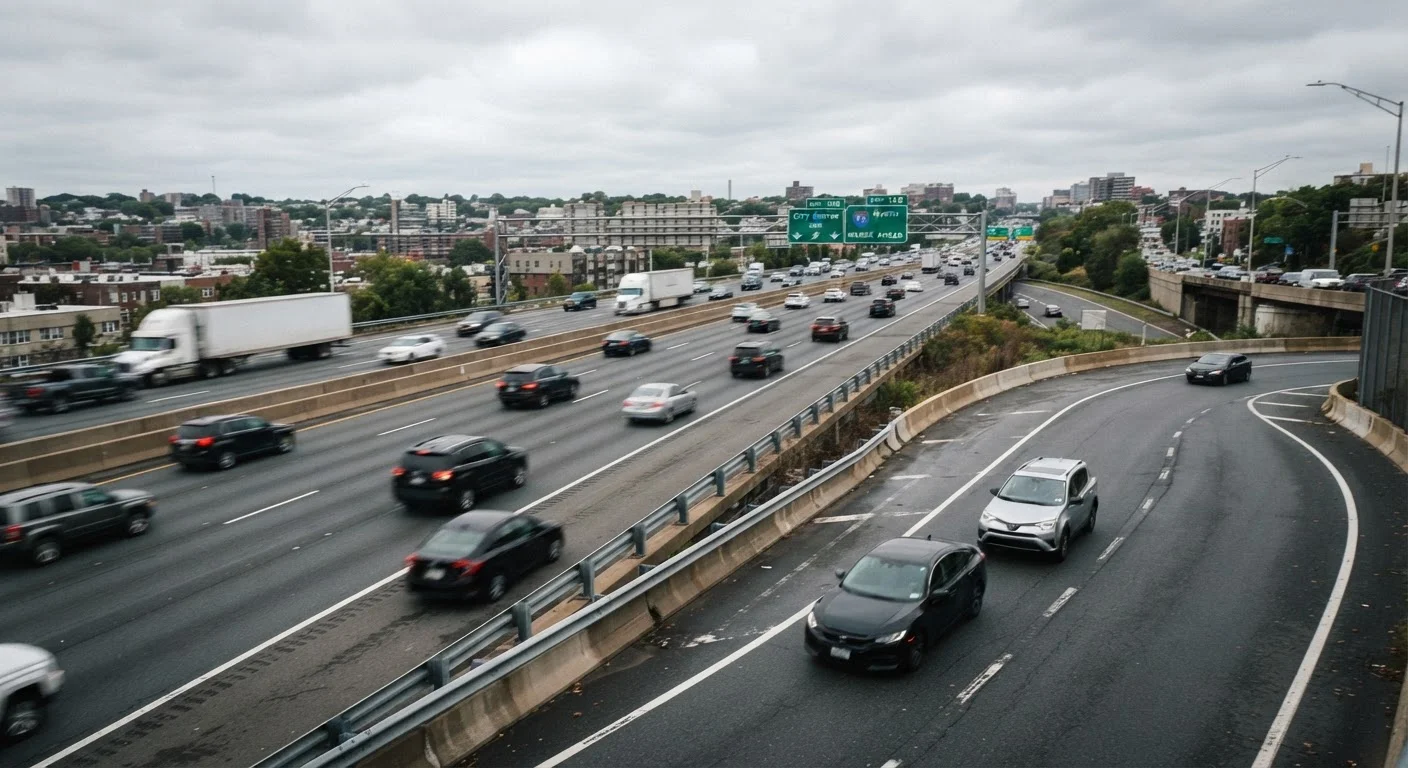
For most drivers, merging onto a highway is something they do without much thought - which is exactly why so many do it wrong. A short on-ramp, traffic moving at 65 mph, and pressure to find a gap quickly creates a situation where bad habits show up fast. The good news is that most merge-related conflicts follow predictable patterns. Understanding them can make your family's highway driving noticeably safer.
Traffic engineers and safety researchers have studied merging behavior extensively, and what they consistently find is that driver errors - not road design alone - drive most merge-zone collisions. Let's look at the most common mistakes and what to do instead.
Entering the highway well below traffic speed.
Why it happens: Drivers feel cautious on ramps and brake or coast instead of accelerating - treating the on-ramp like a side street rather than an acceleration lane.
Stopping at the end of the on-ramp when traffic is moving.
Why it happens: Anxiety about finding a gap causes some drivers to stop completely, which is almost never necessary and creates a dangerous situation for anyone behind them on the ramp.
Not checking blind spots before moving into the travel lane.
Why it happens: Drivers focus on the gap ahead and forget that mirrors alone don't show the full picture - there's a zone beside and slightly behind most vehicles that mirrors can't capture.
Early merging - cutting across before reaching the designated merge point.
Why it happens: Drivers feel pressure to get over quickly and merge before the lane ends, sometimes crossing solid white lines where merging is not permitted.
Refusing to use the zipper merge in lane-ending situations.
Why it happens: Many drivers believe merging early is courteous and that staying in the ending lane until the last moment is rude or aggressive - but this is a common misconception.
Merging without signaling.
Why it happens: On a busy ramp, drivers are focused on gaps and speed and simply forget to signal - or assume other drivers can see their intention.
The Shared Responsibility of Merging
Merging isn't one driver's job alone. Highway drivers who spot an incoming vehicle can ease the process by slightly adjusting speed or position - without braking hard or swerving. This cooperative approach is how traffic flows best. A driver who refuses to allow a merging vehicle any room is technically within their lane rights, but contributes to the turbulence that causes rear-end collisions downstream. For a deeper look at why following distance matters so much in these situations, see our piece on why tailgating is more dangerous than most drivers realize.
Don't Stop on an Active On-Ramp
Coming to a complete stop at the end of a highway on-ramp puts you and drivers behind you at serious risk. Vehicles approaching at speed have little time to react. If a gap isn't available, slow - don't stop - and time your entry as the next gap opens.
It's also worth noting that merging errors don't happen in isolation. Wet pavement or gravel on an on-ramp can reduce traction right when you need it most. Adjusting your driving for changing surfaces is a skill every highway driver should build alongside good merge habits.
Some merge-related behavior stems from outdated beliefs - for instance, the idea that you're required to yield unconditionally at all times, even when a proper ramp and speed-matching gap exists. Several driving myths contribute to poor merge decisions, and knowing which rules are real versus folk wisdom makes a real difference.
Merging Correctly Is a Legal and Safety Obligation
In most U.S. states, drivers on the on-ramp are required to yield to highway traffic - but yielding does not mean stopping in an active travel lane or forcing a merge without adequate speed matching. Failing to reach appropriate highway speed before merging can constitute a traffic violation in many jurisdictions and substantially increases crash risk for everyone in the area.
If highway driving is part of a longer family road trip, poor merging habits can compound fatigue and stress across hundreds of miles. Planning your road trip with driving stress in mind is a worthwhile read before you go.
The content provided on our blog site traverses numerous categories, offering readers valuable and practical information. Readers can use the editorial team’s research and data to gain more insights into their topics of interest. However, they are requested not to treat the articles as conclusive. The website team cannot be held responsible for differences in data or inaccuracies found across other platforms. Please also note that the site might also miss out on various schemes and offers available that the readers may find more beneficial than the ones we cover.