

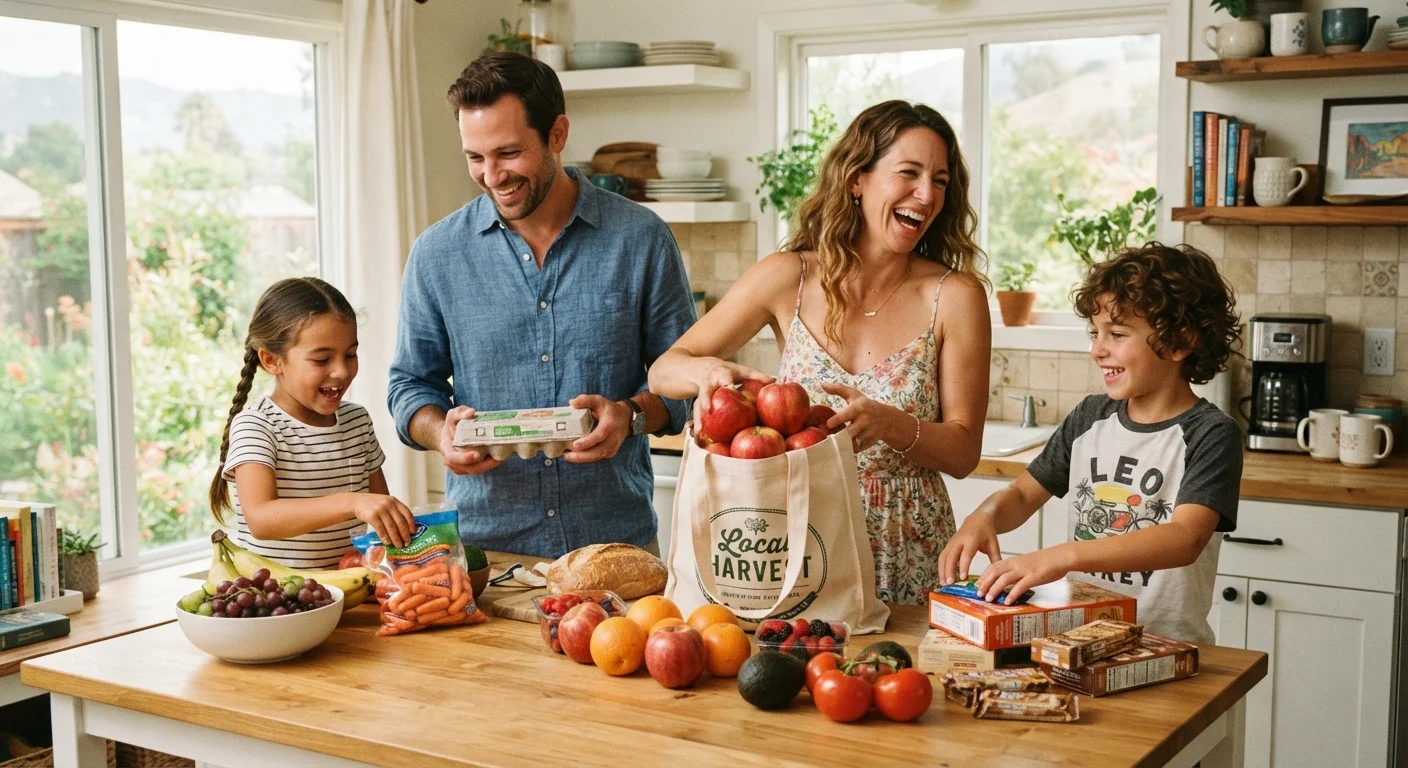
Why Vacation Food Costs Spiral So Quickly
For a family of four, restaurant meals on vacation can easily run $50–$80 per sitting — and that's before drinks, tip, or the inevitable kids' dessert negotiation. Multiply that by three meals a day for a week, and food alone can quietly devour a huge chunk of your travel budget. As the breakdown of where family vacation money goes shows, dining is one of the top categories where budgets quietly unravel.
The good news: you don't have to choose between eating well and eating affordably. A hybrid food strategy — mixing self-catered meals, grab-and-go lunches, and a few intentional restaurant splurges — keeps both the budget and the family happy.
What you will need
What You Need Before You Start
Getting your vacation food strategy right starts before you pack a single bag. Having the right tools and a rough plan makes the whole system work smoothly once you're on the road.
Soft-sided insulated cooler bag
Keeps perishables like deli meat, cheese, yogurt, and drinks cold during day trips and outings.
Reusable grocery bags
Makes a grocery run easy to manage and cuts down on plastic bag fees at stores.
Small cutting board and paring knife
Allows basic meal prep in a hotel room or rental kitchen without needing a full knife set.
Reusable water bottles for each family member
Eliminates the cost of constantly buying bottled water while sightseeing.
Portable utensil set
Lets you eat packed meals without relying on disposable plastic cutlery.
Step-by-Step: Building Your Vacation Food Plan
Follow these steps to set up a practical, flexible food routine that works across a range of destination types — beach rental, hotel, road trip, or city stay. For broader trip planning context, see the complete family travel budget framework.
Book accommodation with food prep in mind
When comparing lodging options, filter for rooms or rentals with at least a mini-fridge and microwave. A full kitchen costs more upfront but often saves significantly on food over a multi-day trip. Even a kitchenette capable of heating soup or making oatmeal changes your options meaningfully.
Do a grocery run within the first few hours of arrival
Find the nearest full-service grocery store and stock up on a targeted list. Focus on: breakfast staples (oatmeal, cereal, eggs, bread, fruit), lunch basics (deli meat or nut butter, cheese, crackers, wraps), beverages, and snacks for outings. Aim to cover all breakfasts and at least half your lunches for the trip.
Establish a daily meal rhythm before you leave the room
Each morning, decide which meals you're handling yourselves and which one — if any — you'll eat out that day. Having this conversation at breakfast prevents the costly mid-afternoon "we're hungry and there's a restaurant right there" scenario. Assign a day's outing snacks before you head out the door.
Pack a day bag with food for every outing
Before leaving for any attraction or activity, load the insulated bag: water bottles, snacks, and a packable lunch if you'll be out through midday. Picnic spots exist near most major attractions, parks, and beaches. Eating outside saves money and often gives kids more space to breathe than a crowded restaurant.
Choose restaurant meals deliberately, not by default
When you do eat out, make it a conscious choice rather than a fallback. Look for lunch specials (most restaurants serve the same food for 20–30% less at lunch), local spots over tourist-strip restaurants, and places where kids eat free on certain nights. One well-chosen restaurant meal feels like a treat; three meals out by default feel like an obligation.
Do a mid-trip restock if needed
On longer trips (five or more days), plan a second small grocery run around the midpoint. Replenish bread, fresh fruit, and snacks. This prevents the late-trip food fatigue that leads families to abandon their plan and eat every remaining meal out.
Let Kids Pick One Meal
Giving each child one meal choice during the trip — whether that's a diner breakfast, a pizza night, or a local ice cream shop — builds buy-in for the rest of the plan. When kids feel heard, they're far less likely to lobby for restaurants at every turn. It also gives everyone something to look forward to.
Making It Work at Different Accommodation Types
Your food strategy will naturally shift depending on where you're sleeping. Here's how to adapt:
- Vacation rental with full kitchen: Full cooking capability means you can handle every meal if you want. Prioritize breakfasts and simple dinners; splurge on one or two restaurant meals as real treats.
- Hotel room with mini-fridge only: Focus on no-cook options — deli items, fruit, yogurt, cheese, crackers, and durable snacks. A small cutting board and a paring knife (packed in checked luggage) go a long way.
- Road trip: A soft-sided cooler is your best friend. Pack wraps, cut veggies, boiled eggs, and portable snacks. Road trip snack ideas that actually travel well can help you stock up smartly before you leave.
- All-inclusive resort: Much of this strategy doesn't apply — but if the resort has a market or you have an excursion day, it's still worth grabbing snacks to avoid overpriced resort convenience items.
Watch for Hidden Hotel Food Costs
Hotel vending machines, resort convenience stores, and minibar items are priced significantly above retail. If you're in a hotel without a kitchen, the single most effective move is buying beverages and snacks at a nearby grocery or convenience store on arrival. Even a small detour can save a surprising amount over several days.
When you're building a balanced approach to meals, the same principles that apply at home work on the road. The balanced plate guide offers simple portioning ideas that translate easily to vacation eating.
Weaving Food Into the Bigger Picture
Vacation food planning doesn't exist in isolation — it's part of how your whole itinerary flows. Picnic lunches can double as a scenic stop. A grocery run can become a local market visit the kids remember. When you're building a family itinerary kids won't dread, building in time for a relaxed breakfast at the rental or a park picnic gives the day natural breathing room — which benefits everyone's mood, not just the wallet.
Before your next trip, run through the pre-trip checklist for budget-conscious families to make sure food planning is part of your overall preparation. And when you're ready to set a realistic food allowance as part of your overall spending plan, the family travel budget guide walks you through estimating true trip costs from the start.
The content provided on our blog site traverses numerous categories, offering readers valuable and practical information. Readers can use the editorial team’s research and data to gain more insights into their topics of interest. However, they are requested not to treat the articles as conclusive. The website team cannot be held responsible for differences in data or inaccuracies found across other platforms. Please also note that the site might also miss out on various schemes and offers available that the readers may find more beneficial than the ones we cover.