

Our Verdict
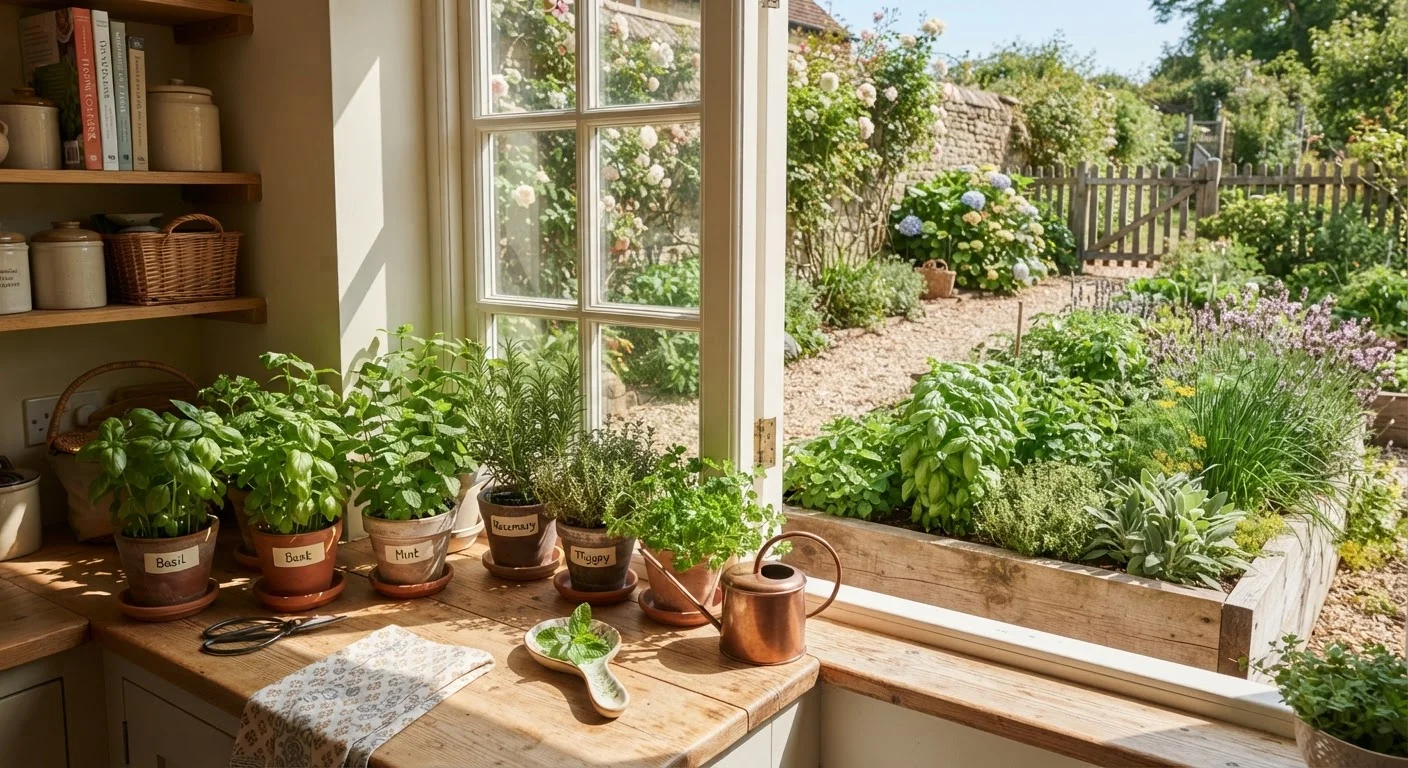
Outdoor growing wins on yield, light availability, and variety selection for most families with any usable garden space. Indoor growing is a practical and rewarding option for a focused selection of herbs, particularly through winter months or in apartments — provided you can supply adequate light. Neither approach is universally better; the right choice depends on your space, schedule, and which herbs you actually cook with.
| Best for | Recommended |
|---|---|
| Families with a yard or patio seeking maximum harvest | Outdoor growing |
| Apartment dwellers or those without outdoor space | Indoor growing |
| Year-round fresh herbs in colder climates | Seasonal indoor–outdoor rotation |
| Beginners wanting the lowest-effort start | Outdoor container growing |
Why the Indoor vs. Outdoor Question Actually Matters
Most families plant herbs with high hopes and end up with a leggy basil plant dropping leaves on the counter by week three. The culprit is almost always a mismatch between the herb and its environment — not a lack of effort. Understanding what each setting genuinely offers helps you stop fighting your conditions and start working with them.
If you're just getting started with food gardening in general, our first-season garden roadmap covers the foundational decisions worth making before you buy a single seed packet.
| Indoor Growing | Outdoor Growing | |
|---|---|---|
| Light availability | Limited; often requires grow lights | Abundant; natural full sun |
| Yield volume | Modest; slower growth | High; vigorous seasonal growth |
| Herb variety options | Best for mint, chives, parsley, lemon balm | Suits nearly all culinary herbs |
| Season | Year-round with effort | Spring through fall; frost-limited |
| Setup cost | Low to moderate (pots, grow light) | Low (soil, containers, or bed) |
| Pest pressure | Low; mainly fungus gnats | Moderate; aphids, caterpillars, slugs |
| Watering demands | Frequent; pots dry out fast | More forgiving; rainfall assists |
The Light Reality: Where Most Indoor Herb Gardens Go Wrong
Herbs are, without exception, sun-loving plants. Most culinary herbs — basil, rosemary, thyme, oregano, sage — need six to eight hours of direct sunlight daily. Outdoors, that's easy to achieve from late spring through early fall. Indoors, even a south-facing window typically delivers only three to four hours of direct sun once you account for seasonal angle changes, roof overhangs, and neighboring buildings.
The result: herbs stretch toward the light source, become spindly, and produce fewer of the aromatic oils that make them worth growing. Supplemental grow lights (full-spectrum LED fixtures placed a few inches above the plants) can close this gap, but they add cost and require consistent management.
Getting More From Indoor Herbs
Place a full-spectrum LED grow light on a timer set for 14 to 16 hours per day when natural light is insufficient. Keep it positioned 4 to 6 inches above the foliage and raise it as plants grow. Harvest regularly — cutting back to just above a leaf node encourages bushier, more productive growth rather than letting plants bolt toward the light.
Herbs that tolerate lower light and are genuinely suited to indoor life include mint, chives, parsley, and lemon balm. These four form the practical core of a successful indoor herb setup.
Outdoor Herbs: What Genuinely Thrives and What to Watch For
In a garden bed or outdoor container, Mediterranean herbs — rosemary, thyme, oregano, and sage — are nearly foolproof given well-draining soil and full sun. Basil performs vigorously outdoors in warm weather but is highly frost-sensitive; a single cold night below 50°F can damage leaves. Dill and cilantro prefer cooler temperatures and bolt quickly in summer heat, so timing your planting matters.
Invasive spreaders like mint and lemon balm should be grown in containers even outdoors, or they'll colonize surrounding beds within a season. For families interested in container-based growing whether indoors or out, our complete container gardening guide covers soil mixes, drainage, and pot sizing in detail.
Watering outdoors is more forgiving than indoors — rain helps — but consistent soil moisture is still important during dry spells. If you're setting up an outdoor herb section within a larger garden, our irrigation comparison guide can help you decide how to keep everything watered efficiently.
Making the Most of Both Settings Year-Round
The most practical approach for many families is a seasonal rotation. Grow heat-lovers like basil, rosemary, and thyme outdoors through summer when conditions are optimal, then bring a few pots inside before the first frost for a slower but continued harvest through winter. This hybrid approach extends the growing season without requiring a fully dedicated indoor setup.
When transitioning plants indoors, give them two weeks in a sheltered, partially shaded outdoor spot first to reduce transplant shock. Check plants carefully for pests — aphids and spider mites hitchhike inside easily and spread quickly to houseplants.
Check for Pests Before Bringing Plants Inside
Inspect both the undersides of leaves and the soil surface of any herb you plan to move indoors. Common outdoor pests like aphids, fungus gnats, and spider mites can spread rapidly in the warm, still air of a home. If you spot anything suspicious, treat the plant outdoors first and allow it a full week to clear before bringing it inside.
If your outdoor herb patch is part of a broader vegetable garden, troubleshooting underperformance is worth understanding early — our article on why vegetable gardens underperform covers the most common culprits from soil pH to watering habits.
Whether you choose a windowsill pot or a raised outdoor bed, a small, well-matched herb selection you actually tend will always outperform an ambitious assortment that gets neglected. Start with two or three herbs your family uses regularly, learn their preferences, and expand from there.
The content provided on our blog site traverses numerous categories, offering readers valuable and practical information. Readers can use the editorial team’s research and data to gain more insights into their topics of interest. However, they are requested not to treat the articles as conclusive. The website team cannot be held responsible for differences in data or inaccuracies found across other platforms. Please also note that the site might also miss out on various schemes and offers available that the readers may find more beneficial than the ones we cover.