

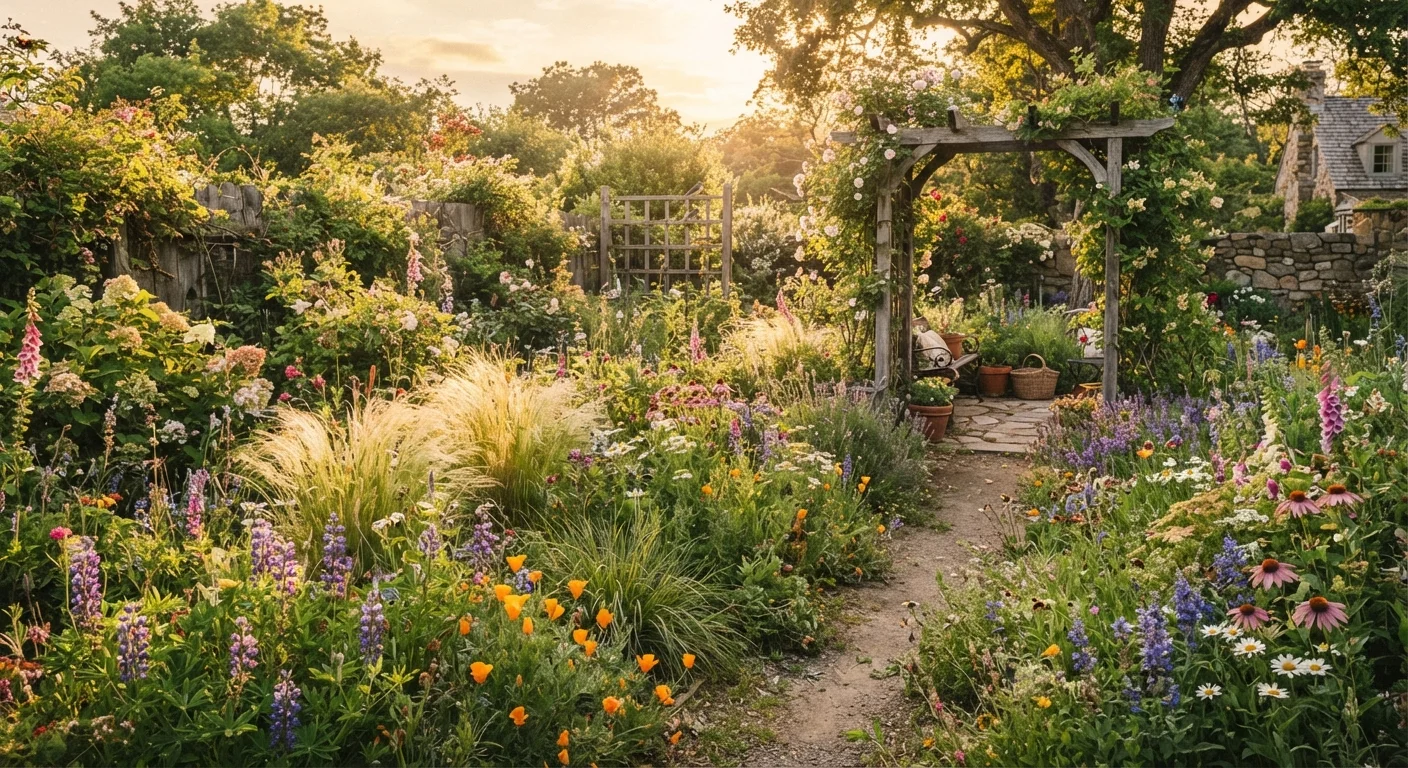
What Makes a Plant "Native" in the First Place
The word "native" gets used loosely in gardening conversations, but it has a precise ecological meaning. A native plant is one that established itself in a region through natural processes — wind, water, birds, or other wildlife — rather than being deliberately or accidentally introduced by humans. These plants co-evolved with local insects, birds, fungi, and soil microbes, forming relationships that can span millions of years.
This matters practically. A black-eyed Susan native to the Eastern U.S. shares deep evolutionary history with native bees in that region. Many of those bees can only gather pollen from certain plant families they co-evolved with — meaning a garden full of imported ornamentals may look lush but offer very little to local wildlife. Understanding this distinction is the first step toward making planting choices that work with your local environment rather than against it.
It is also worth noting that "native" is always regional. A plant native to coastal California is not automatically native to the Texas Hill Country. When selecting plants, specificity to your ecoregion — not just the country — matters. Resources from your state's cooperative extension service are a reliable place to start.
Why Ecologists Recommend Them — and Why That Matters for Your Yard
Ecologists have advocated for native plants in home landscapes for decades, and the reasoning goes beyond aesthetics. Research in conservation biology has consistently shown that native plant cover supports dramatically higher numbers of insects, particularly native bee species and the caterpillars that songbirds depend on to feed their young. A landscape that includes natives can function as a small but meaningful piece of regional habitat, especially in suburban areas where natural land has been fragmented.
“Gardeners are in a unique position to help reverse the loss of biodiversity in their communities. Planting native species is one of the most direct actions a homeowner can take.”
— Douglas Tallamy, Professor of Entomology and Wildlife Ecology, University of Delaware, and author on native plant conservation
For families, this translates into real-world benefits. Native plants that are well-matched to your region typically need less supplemental water once established, require fewer inputs like synthetic fertilizer, and are less prone to the pest and disease cycles that plague out-of-region ornamentals. That means fewer products to buy and less time spent on reactive maintenance.
Natives also tend to develop deeper, more extensive root systems than turfgrass or shallow-rooted ornamentals. These root structures improve soil structure, reduce runoff during heavy rain, and help prevent erosion — practical advantages for any family managing a lawn or garden. For more on how soil type interacts with plant selection, see our guide to common garden soil types.
Start with Three to Five Native Species
Rather than overhauling your entire yard at once, choose three to five native plants suited to the light and moisture conditions in one area. A focused start is easier to manage, lets you learn each plant's habits, and still delivers real ecological benefits. You can expand gradually each season as your confidence grows.
Getting Started: Practical Steps for Any Yard Size
Transitioning to native plants does not require tearing out your entire yard. Most families start small — replacing a section of lawn, adding a border along a fence, or swapping out a struggling ornamental shrub for a native alternative. Even modest additions can have measurable benefits for local pollinators. For a fuller picture of how to plan a new garden from the ground up, our first-season garden roadmap walks through the planning process step by step.
~29%
Decline in North American bird populations since 1970
According to a landmark 2019 study published in the journal Science, reduced insect food sources — connected partly to loss of native plant cover — is cited as a contributing factor.
~75%
Of specialist native bees dependent on specific plant families
Research from the Xerces Society indicates that a significant share of native bee species can only collect pollen from plants they co-evolved with, underscoring the role home landscapes play.
If outdoor space is limited, native plants can also work well in containers. Compact native sedges, native ferns, and smaller flowering species adapt reasonably well to pot culture. Our container gardening guide covers the basics of making small spaces productive.
One important note: native plants generally need a full growing season — sometimes two — to establish before they display their full drought tolerance and vigor. Patience during that initial period pays off in the form of a lower-maintenance landscape for years to come. If attracting wildlife is part of your goal, pairing natives with pesticide-free practices will help — see our guide to attracting pollinators without pesticides for practical strategies.
"Native" Cultivars Are Not Always Equivalent
Many nurseries sell cultivated varieties — often called "nativars" — that are bred from native species but selected for unusual flower colors or compact forms. Some research suggests these cultivars may be less attractive to insects than straight native species. When possible, look for straight species or cultivars with minimal modification to flower form, since altered flowers can reduce nectar and pollen accessibility for native bees.
Frequently Asked Questions
Native plants are increasingly available at local nurseries, native plant societies, and botanical garden sales. Availability has grown significantly as awareness of their benefits has increased. Searching for nurseries that specialize in regionally native species is a good starting point.
Yes — most native plants need regular watering during their first one to two growing seasons while their root systems establish. After that establishment period, many are significantly more drought-tolerant than non-native ornamentals and require far less supplemental watering.
Absolutely. Many natives produce striking flowers, interesting textures, and vibrant fall color. With thoughtful design, a native garden can be just as visually appealing as a conventional one — and it changes with the seasons in ways that keep the landscape dynamic.
Your state's cooperative extension service, local native plant societies, and the USDA Plants Database are reliable resources for identifying plants native to your specific region. Local botanical gardens often maintain native plant demonstration gardens as well.
Native plants do attract insects — but that is largely by design. Most of the insects they attract are pollinators, decomposers, or natural predators of garden pests. A healthy native garden tends to develop its own ecological balance over time.
The content provided on our blog site traverses numerous categories, offering readers valuable and practical information. Readers can use the editorial team’s research and data to gain more insights into their topics of interest. However, they are requested not to treat the articles as conclusive. The website team cannot be held responsible for differences in data or inaccuracies found across other platforms. Please also note that the site might also miss out on various schemes and offers available that the readers may find more beneficial than the ones we cover.