

Summary
22 items · 1–3 hours
Why a Weatherproofing Audit Pays for Itself
Most energy loss in American homes doesn't happen through a single obvious failure — it happens through dozens of small gaps, degraded seals, and thin insulation spots that individually seem minor but together create a significant drain on your heating and cooling budget. A deliberate audit turns those invisible problems into a concrete action list.
Think of this the same way you'd approach a seasonal vehicle check. Just as the seasonal car checkup helps you catch mechanical issues before they strand you, a home weatherproofing audit surfaces problems before a cold snap or summer heat wave turns a small gap into a large utility bill.
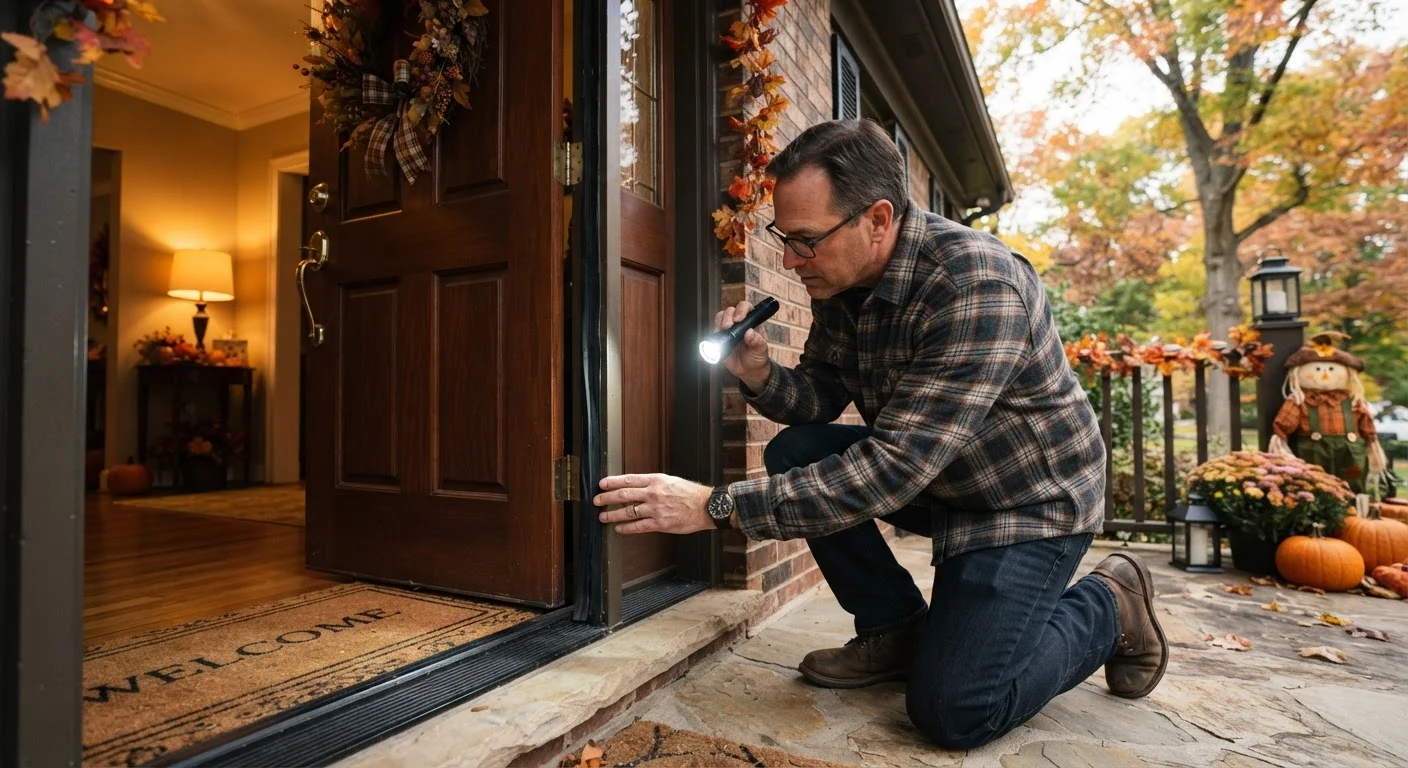
This checklist is organized room by room so you can work through your home systematically. You don't need specialized equipment for most checks — a stick of incense, a flashlight, and your hands are enough to identify airflow and moisture problems in the majority of homes. Where professional help is warranted, we'll flag it clearly.
Incense sticks or smoke pencil
Used to visualize airflow around windows, doors, and other potential leak points.
Flashlight or headlamp
Essential for inspecting dark areas including attic hatches, crawl spaces, and behind appliances.
Foam backer rod and exterior caulk
Used to fill and seal gaps around window and door frames where air leakage is found.
Expanding foam sealant
Fills larger irregular gaps around pipes, wires, and sill plates in the basement and attic.
Metal-backed (foil) tape
Seals leaking joints in HVAC ductwork — standard duct tape is not rated for this use.
Replacement weatherstripping
Needed if existing door or window seals are compressed, cracked, or missing sections.
Notepad or notes app
Records findings room by room so you can prioritize and track completed repairs.
Room-by-Room Weatherproofing Checklist
Work through each zone of your home in order. Mark items as you go — a simple notebook or a notes app on your phone works fine. Anything flagged for repair should be prioritized before extreme seasonal temperatures arrive.
Exterior Doors & Entry Points
Windows
Attic & Ceiling Plane
Basement & Crawl Space
HVAC & Ductwork
Garage & Utility Areas
Don't Seal Combustion Air Sources
Gas furnaces, water heaters, and wood-burning fireplaces need adequate combustion air to operate safely. Before aggressively sealing your home, confirm that any fuel-burning appliance either draws air directly from outside or is in a space with adequate ventilation per the manufacturer's specifications. If you're unsure, have a licensed HVAC technician assess your setup before making significant changes to your home's air sealing.
For windows and doors where you find gaps, our detailed guide on caulking windows and doors the right way walks through surface prep and product selection so the seal actually lasts. It's also worth reviewing common home improvement myths before starting repairs — some widely repeated shortcuts cause more harm than the original problem.
What to Do With Your Findings
Once you've completed the audit, sort your notes into three tiers: items you can address this weekend with basic materials, items that require a scheduled project (such as re-insulating an attic or replacing a door threshold), and items that should be evaluated by a licensed contractor — particularly anything involving structural gaps, electrical penetrations in exterior walls, or evidence of significant moisture intrusion.
Basement moisture deserves special attention. Wet walls can stem from condensation or from actual water seepage through the foundation, and the fixes are completely different. Our article on basement moisture sources will help you diagnose before you spend money on the wrong solution.
Know When to Call a Licensed Contractor
Foundation cracks wider than a hairline, significant moisture infiltration through exterior walls, damaged flue or chimney connections, and work involving electrical wiring inside walls all fall outside DIY territory for most homeowners. Attempting structural or hazardous repairs without proper licensing can violate local building codes and create serious safety risks. Check whether your planned repairs require a permit — our guide on when a building permit is required explains the process clearly.
Keep a simple record of what you found and what you repaired, including the date. This log is useful when you repeat the audit next season, and it can also be valuable documentation if you ever sell the home. Pairing this kind of audit with seasonal home organization helps you build a consistent rhythm that keeps your home running efficiently year-round. For larger repair budgets, it may help to review family budgeting strategies so costs don't catch you off guard.
The content provided on our blog site traverses numerous categories, offering readers valuable and practical information. Readers can use the editorial team’s research and data to gain more insights into their topics of interest. However, they are requested not to treat the articles as conclusive. The website team cannot be held responsible for differences in data or inaccuracies found across other platforms. Please also note that the site might also miss out on various schemes and offers available that the readers may find more beneficial than the ones we cover.