

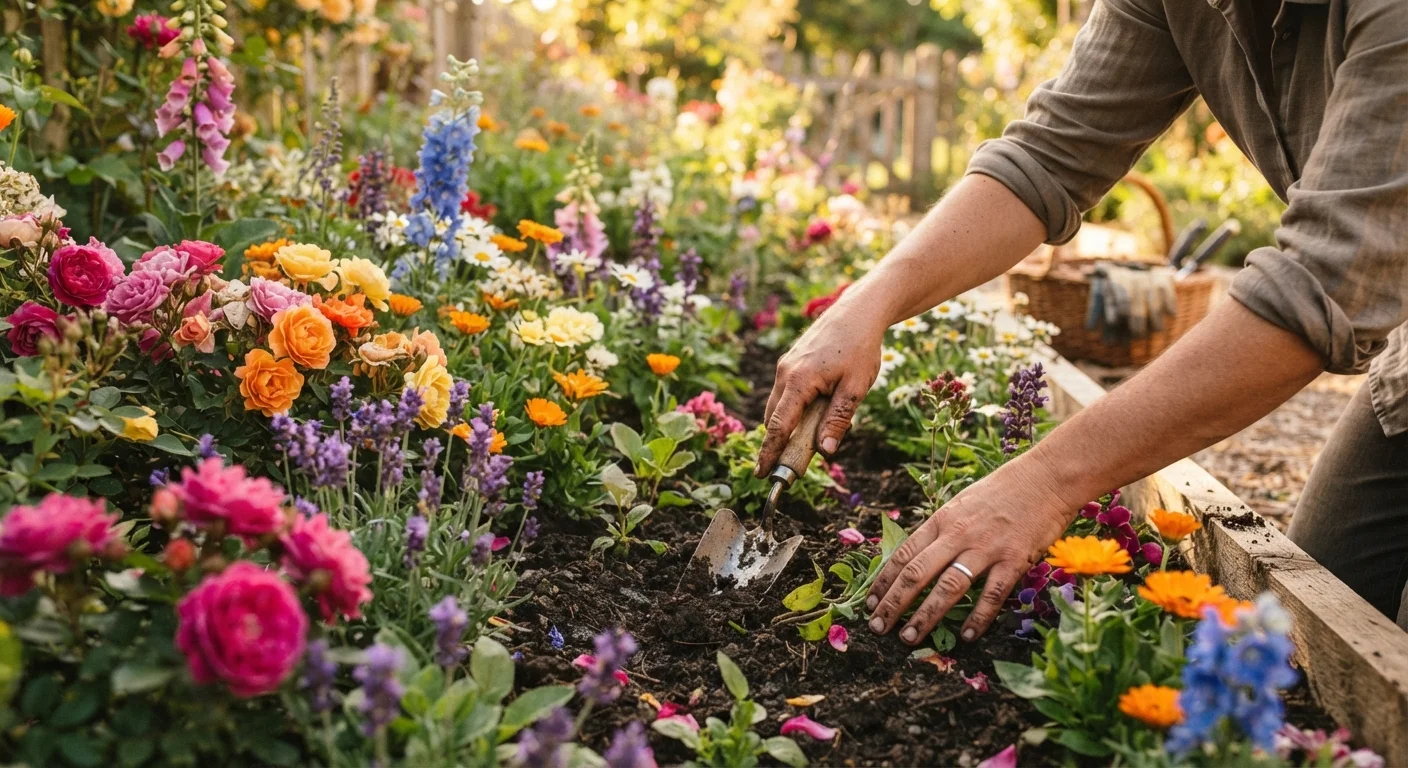
What Actually Separates These Two Plant Types
The simplest way to think about it: annuals are a single-season commitment, and perennials are a long-term relationship. An annual like marigold or zinnia sprouts, flowers prolifically, produces seed, and dies all within one growing season. You get spectacular color, but you start fresh next spring. A perennial like coneflower or black-eyed Susan uses that same season to establish its roots, then returns year after year from the same plant.
This difference in life span ripples through every aspect of garden planning — how much you spend, how much you dig, and how your yard looks from one year to the next. Neither type is universally superior; the right choice depends on your goals, your budget, and how much seasonal replanting you're willing to do.
A Third Category Worth Knowing: Biennials
Some plants are neither annual nor perennial — they're biennials, completing their life cycle over two years. Common examples include foxglove and hollyhock, which grow foliage in year one and flower in year two before dying. If you buy a biennial expecting first-year blooms, you may be disappointed, so always check the label.
The Case for Annuals: Flexibility and Constant Color
Annuals reward gardeners who want bold, uninterrupted color all season. Because they're living on a tight clock, most annuals bloom continuously from planting until frost, channeling their energy into flowers rather than root development. This makes them excellent for containers, window boxes, and any spot where you want reliable visual impact right now.
They also give you creative freedom. If you want to change your garden's color palette, plant layout, or plant selection entirely next year, annuals make that easy — there's nothing to dig up or work around. For families experimenting with their first garden, this flexibility can reduce the pressure of long-term commitment. See our first-season garden roadmap for guidance on building a beginner plan around annuals.
3+ years
Minimum lifespan defining a perennial plant
Botanically, a perennial is defined as a plant that lives for more than two years, with many common garden varieties persisting a decade or more under the right conditions.
1 season
Full life cycle of a typical annual plant
Annuals germinate, flower, set seed, and die within a single growing season, which is why they must be replanted each year to maintain garden coverage.
~13,000
Zip codes covered by the USDA Hardiness Zone Map
The USDA Plant Hardiness Zone Map, maintained by the U.S. Department of Agriculture, helps gardeners determine which plants can survive winter conditions in their specific location.
The Case for Perennials: Structure and Long-Term Value
Perennials ask for patience in year one. Many spend their first season establishing roots rather than putting on a dramatic show. By year two and three, however, they typically reward that patience with fuller growth, more blooms, and in many cases, natural spreading that fills your garden bed without additional purchases.
Because they return on their own, perennials reduce both the physical labor of replanting and the ongoing expense of buying new plants each spring. They also create a consistent framework — familiar plants in familiar spots — that gives your yard a sense of permanence and maturity. This is particularly useful around patios, borders, and foundation plantings where you want visual stability year to year.
If you're exploring which garden setup best supports a perennial strategy, our comparison of raised beds vs. in-ground plots can help you decide on the right foundation. Many perennials also pair well with regionally adapted species — worth exploring through our article on native plants for home landscapes.
Give New Perennials a Strong Start
In their first season, perennials invest most of their energy underground rather than in showy blooms. Resist the urge to pull them up if they seem underwhelming — consistent watering and a layer of mulch to retain soil moisture can make a significant difference in how vigorously they return the following spring.
Building a Garden That Uses Both
Most experienced home gardeners settle on a mixed approach: perennials as the backbone, annuals as seasonal accents. The perennials anchor the design and return reliably, while annuals fill the visual gaps during the weeks when perennials aren't in bloom. This strategy captures the best of both — reduced replanting effort and ongoing color variety.
A practical starting point is to dedicate roughly two-thirds of a new garden bed to perennials and leave the remaining space flexible for annuals you can rotate seasonally. As your perennials mature and spread, that ratio often shifts naturally in their favor, reducing your annual purchases over time.
Good soil preparation benefits both plant types equally. Before planting either, it's worth understanding what your yard is working with — our guide to common garden soil types breaks down what clay, loam, sandy, and silty conditions mean for your plants. Once established, a well-planned mixed bed also pairs well with efficient watering — see drip irrigation vs. sprinkler systems for watering options. When spring arrives, use our spring yard prep checklist to get both plant types off to a strong start.
Frequently Asked Questions
Most perennials have a defined bloom window that lasts a few weeks to a couple of months, not the entire growing season. Staggering plants with different bloom times helps keep color in your garden throughout spring, summer, and fall.
Annuals typically cost less upfront per plant but add up quickly because you repurchase them every year. Perennials cost more initially but spread and multiply over seasons, often reducing long-term spending. General financial planning principles apply — consider the multi-year picture.
Yes, and many experienced gardeners recommend it. Perennials provide a reliable backbone while annuals fill gaps with continuous color and variety. This combination balances stability with seasonal flexibility.
Die back refers to the above-ground foliage and stems dying off in fall or winter while the root system remains alive underground. The plant re-sprouts from those roots when temperatures warm in spring.
Check the USDA Plant Hardiness Zone Map for your zip code, then confirm any plant's listed hardiness zone on its label or seed packet. A plant labeled 'perennial' for Zone 8 may not survive a Zone 5 winter.
No. Biennials have a two-year life cycle—they grow foliage in the first year and flower, set seed, and die in the second. They are a third, less common category distinct from both annuals and perennials.
The content provided on our blog site traverses numerous categories, offering readers valuable and practical information. Readers can use the editorial team’s research and data to gain more insights into their topics of interest. However, they are requested not to treat the articles as conclusive. The website team cannot be held responsible for differences in data or inaccuracies found across other platforms. Please also note that the site might also miss out on various schemes and offers available that the readers may find more beneficial than the ones we cover.